Navigating the Skies with Ease: Your Ultimate Guide to United Airlines Carry-On Baggage
Embarking on a journey with United Airlines? Understanding their carry-on baggage policy is paramount for a stress-free travel experience. This comprehensive guide delves into every crucial aspect, ensuring you are well-prepared before you even reach the airport. We’ll cover everything from size and weight restrictions to what constitutes a personal item and provide invaluable packing strategies to maximize your carry-on allowance.
The Essentials: Carry-On Size and Weight Limits
United Airlines has specific regulations regarding the size and weight of your carry-on bag. Adhering to these guidelines is essential to avoid any last-minute hassles at the gate. Failure to comply may result in your bag needing to be checked, potentially incurring additional fees and delays.
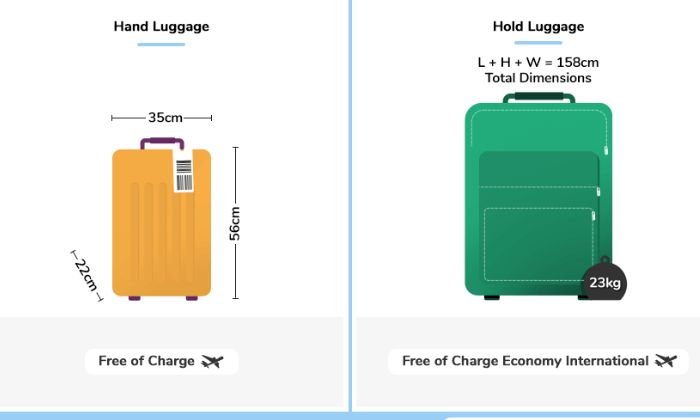
Carry-On Bag Dimensions: Your carry-on bag must not exceed 22 x 14 x 9 inches (56 x 35 x 23 centimeters), including handles and wheels. United rigorously enforces these dimensions using sizing bins at the airport.
Weight Restrictions: While United Airlines doesn’t explicitly state a weight limit for standard carry-on bags for most flights, it’s crucial to ensure you can comfortably lift your bag into the overhead bin without assistance. Be mindful that excessive weight could raise concerns with gate agents. For certain smaller regional flights operated by United Express, weight restrictions may apply, so it’s always wise to check the specific policy for your flight.
Pro Tip: Invest in a lightweight yet durable suitcase that maximizes internal packing space while staying within the size limitations. Weigh your packed bag at home using a luggage scale to avoid surprises at the airport.
The Complementary Companion: Understanding Your Personal Item
In addition to your standard carry-on bag, United Airlines permits one personal item per passenger, free of charge. This item must be smaller than your carry-on and fit comfortably under the seat in front of you. Understanding what qualifies as a personal item is key to carrying everything you need onboard.
Acceptable Personal Items Include (but are not limited to):
A purse, briefcase, or laptop bag
A small backpack
A diaper bag (when traveling with an infant)
A camera bag
A musical instrument (that fits within specific size constraints)
An umbrella
A duty-free bag
Personal Item Dimensions: While United doesn’t provide exact dimensions for personal items, they must be significantly smaller than the carry-on bag and fit comfortably under the seat. A general guideline is around 17 x 10 x 9 inches (43 x 25 x 23 centimeters).
Important Note: Combining smaller bags to exceed the carry-on size or personal item allowance is not permitted. Be sure to adhere to the one carry-on plus one personal item rule.
Navigating the No-Go Zone: Prohibited Items in Carry-On Baggage
For the safety and security of all passengers, certain items are strictly prohibited in carry-on baggage. Familiarizing yourself with this list is crucial to avoid confiscation and potential delays at security checkpoints.
Weapons and Firearms: This includes real, replica, and toy weapons, as well as ammunition and firearm parts.
Sharp Objects: Items such as knives (regardless of blade length, with very limited exceptions for round-bladed butter knives and plastic cutlery), scissors with blades longer than 4 inches, razor blades not in a cartridge, box cutters, ice picks, and metal nail files are prohibited.
Explosives and Flammable Materials: This category encompasses fireworks, flares, gasoline, lighter fluid, aerosol paints, and any highly flammable liquids.
Chemicals and Toxic Substances: Items like bleach, drain cleaner, tear gas, and pepper spray are not allowed in carry-on baggage.
Liquids, Aerosols, and Gels (LAGs): In compliance with TSA regulations, liquids, aerosols, and gels in carry-on baggage must be in containers of 3.4 ounces (100 milliliters) or less and placed in a single, clear, quart-sized, zip-top plastic bag.
Stay Informed: Security regulations can change. Always refer to the latest guidelines provided by the Transportation Security Administration (TSA) and United Airlines before packing your carry-on.
Strategic Packing: Maximizing Your Carry-On Space
Traveling light with only a carry-on can save you time and money. Here are some expert packing tips to help you make the most of your limited space:
The Rolling Method: Instead of folding your clothes flat, roll them tightly. This technique saves space and minimizes wrinkles.
Packing Cubes: These fabric containers help organize your belongings within your suitcase, compress clothing, and make it easier to find what you need.
Utilize Every Space: Stuff socks, underwear, and small items inside shoes and hats to maximize every nook and cranny.
Wear Your Bulkiest Items: If you’re bringing a heavy sweater or a bulky jacket, wear it on the plane to save space in your luggage.
Travel-Sized Toiletries: Invest in travel-sized versions of your essential toiletries or decant them into reusable travel bottles that comply with the TSA’s liquid rules.
Plan Your Outfits: Coordinate your clothing items to create multiple outfits from a limited number of pieces.
Leave Unnecessary Items Behind: Be honest with yourself about what you truly need. Avoid packing “just in case” items that you’re unlikely to use.
Special Considerations: Traveling with Specific Items
Certain items require special attention when traveling as carry-on baggage:
Medications: Prescription medications should ideally be kept in their original labeled containers. It’s advisable to carry a copy of your prescription. Liquid medications exceeding 3.4 ounces are permitted but must be declared to TSA officers at the checkpoint.
Electronics: Laptops, tablets, e-readers, and mobile phones are generally allowed in carry-on baggage. Ensure they are charged, as security personnel may ask you to turn them on.
Food Items: Solid food items are generally permitted in carry-on baggage, although TSA officers may ask you to remove them from your bag for screening. Liquids and gels (like yogurt or sauces) are subject to the 3.4-ounce rule.
Musical Instruments: Small musical instruments that fit within the carry-on size limitations can usually be brought onboard. Larger instruments may need to be checked or require the purchase of an additional seat. Always check with United Airlines in advance for specific guidelines.
Navigating Potential Issues: Gate Checking and Overstuffed Bags
Even with careful planning, situations can arise where your carry-on bag may need to be gate-checked. This typically happens on smaller aircraft with limited overhead bin space or when a flight is particularly full.
Gate Checking: If your carry-on is gate-checked, it will be tagged at the gate and placed in the cargo hold. You will usually retrieve it shortly after landing on the jet bridge. Ensure any valuable or fragile items are removed before gate checking.
Overstuffed Bags: Avoid overstuffing your carry-on, as this can make it difficult to fit in the overhead bins and may lead to it being flagged for checking.
Stay Updated: United Airlines’ Official Policies
While this guide provides comprehensive information, airline policies can change. It is always recommended to consult the official United Airlines website or contact their customer service directly for the most up-to-date information regarding carry-on baggage allowances and restrictions specific to your flight.
By understanding and adhering to United Airlines’ carry-on baggage rules, you can streamline your airport experience, avoid unexpected fees, and ensure a smoother and more enjoyable journey. Happy travels!