Navigating the Skies with Ease: Your Comprehensive Guide to United Airlines Carry-On Luggage
Embarking on a journey with United Airlines? Understanding their carry-on luggage policy is the first crucial step towards a stress-free travel experience. This comprehensive guide will delve into the intricacies of United’s regulations, providing you with all the essential information to pack smart, breeze through security, and settle comfortably into your seat without any unexpected baggage hassles. We’ll explore the specific size and weight restrictions, clarify what constitutes a carry-on bag versus a personal item, highlight items that are prohibited from your carry-on, and offer invaluable packing tips to maximize your space and efficiency.
Decoding the Dimensions: United Airlines Carry-On Size and Weight Limits
United Airlines, like most major carriers, has specific limitations on the size and weight of your carry-on baggage to ensure it can be safely stowed in the overhead bins and that the boarding process remains efficient for all passengers. Adhering to these guidelines is paramount to avoid gate-checking your bag, which can lead to delays and potential inconvenience upon arrival.
The Standard Carry-On Bag: Maximizing Your Overhead Space
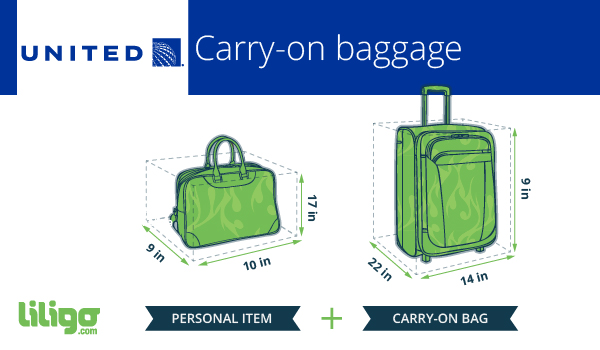
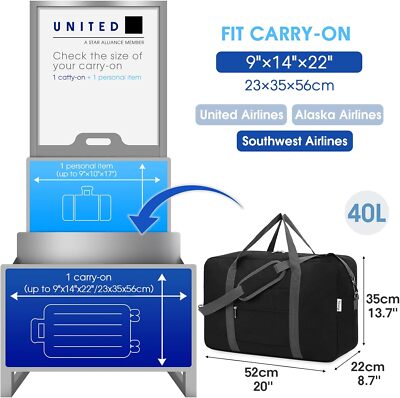
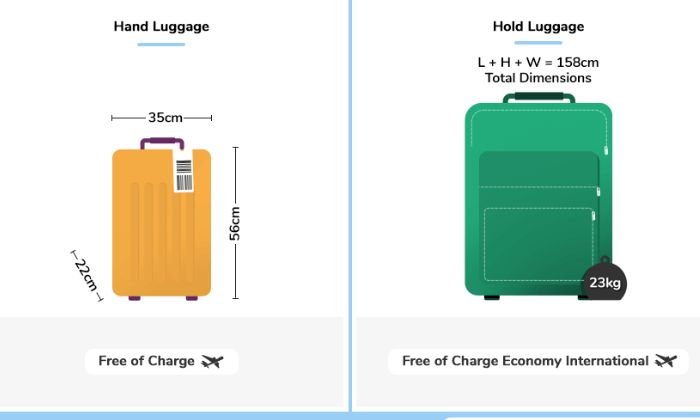
Your primary carry-on bag must not exceed 22 x 14 x 9 inches (56 x 35 x 23 centimeters), including handles and wheels. It’s crucial to measure your bag accurately, as gate agents are known to enforce these rules strictly. Choosing a bag that fits within these dimensions will guarantee its place in the overhead compartment, allowing you quick access to your belongings during and after your flight. Remember that soft-sided bags offer a bit more flexibility, but it’s still essential to stay within the stated limits.
The Personal Item: Your Under-Seat Companion
In addition to your main carry-on bag, United Airlines permits one personal item per passenger, free of charge. This item must be smaller than your carry-on and should be able to fit comfortably under the seat in front of you. Common examples of personal items include a laptop bag, a purse, a small backpack, or a briefcase. The maximum dimensions for a personal item are 17 x 10 x 9 inches (43 x 25 x 23 centimeters). Utilizing your personal item wisely can significantly increase the amount you can bring on board, allowing you to keep essential documents, electronics, and comfort items readily accessible throughout your journey.
Weight Restrictions: Keeping Things Light
While United Airlines doesn’t typically enforce a strict weight limit for standard carry-on bags for most flights, it’s always prudent to pack responsibly. Gate agents may ask you to lift your bag into the overhead bin to ensure you can handle it safely. For certain smaller regional flights operated by United Express, weight restrictions may apply, so it’s always a good idea to check the specific baggage policies for your particular flight, especially if it’s a shorter, regional connection. Overly heavy bags can also slow down the boarding process and pose a safety risk to both passengers and crew.
Navigating Security: What You Can and Cannot Pack in Your Carry-On
Understanding the regulations regarding prohibited items in your carry-on luggage is crucial for a smooth passage through airport security. Failure to comply can result in delays, confiscation of items, and unnecessary stress. Familiarize yourself with the Transportation Security Administration (TSA) guidelines, as they are strictly enforced by United Airlines.
Liquids, Aerosols, and Gels (LAGs): The 3-1-1 Rule
The well-known 3-1-1 rule for liquids, aerosols, and gels (LAGs) in carry-on baggage is a cornerstone of airport security. Each passenger is allowed to carry on liquids, aerosols, and gels in travel-sized containers that are 3.4 ounces (100 milliliters) or less per item. These containers must be placed in one quart-sized, clear plastic, zip-top bag. Each passenger is limited to one such bag. Make sure all your toiletries and liquid cosmetics adhere to these regulations to avoid any issues at the security checkpoint.
Sharp Objects: Handle with Care (or Pack in Checked Bags)
Sharp objects that could be used as weapons are strictly prohibited in carry-on luggage. This includes items such as knives (regardless of size or type, except for round-bladed butter knives and plastic cutlery), scissors with blades longer than four inches, box cutters, ice picks, and razor blades (unless they are safely encased in a cartridge). These items should be securely packed in your checked baggage to comply with security regulations.
Sporting Goods: Check Them In
Many sporting goods that could potentially be used as blunt instruments or cause harm are not allowed in carry-on luggage. This category includes items like baseball bats, golf clubs, hockey sticks, bowling pins, and skateboards. These items should be checked in with your other baggage.
Firearms and Explosives: Absolutely Prohibited in Carry-On
It goes without saying that firearms, ammunition, and explosive materials of any kind are strictly prohibited in carry-on luggage. There are specific regulations for transporting firearms and ammunition in checked baggage, which require prior notification to the airline and adherence to strict packing guidelines. Attempting to carry these items on board will result in severe penalties and legal repercussions.
Other Restricted Items: Be Aware
Beyond the categories mentioned above, there are other items that may be restricted or prohibited in carry-on luggage. These can include certain tools, flammable materials, and corrosive substances. It’s always best to check the TSA website or the United Airlines website for a comprehensive list of prohibited items before you begin packing. When in doubt, it’s safer to pack an item in your checked baggage.
Mastering the Art of Packing Light: Essential Tips for Your United Airlines Carry-On
Packing efficiently within the size and weight restrictions can significantly enhance your travel experience. By employing smart packing techniques, you can bring everything you need without the burden of oversized or overweight luggage. Here are some invaluable packing tips to help you make the most of your United Airlines carry-on allowance:


Special Considerations: Traveling with Specific Items on United Airlines
Certain items require special attention when traveling with United Airlines. Understanding the specific regulations for these items will ensure a smooth and compliant journey.
Electronics: Powering Your Trip
Electronic devices such as laptops, tablets, e-readers, and mobile phones are generally permitted in carry-on luggage. However, you will likely be asked to remove them from their cases and place them in a separate bin for screening at the security checkpoint. Ensure your devices are charged, as security personnel may ask you to turn them on. Spare lithium batteries and portable chargers (power banks) must also be carried in your carry-on baggage and are not allowed in checked luggage due to safety concerns regarding potential overheating or fire.
Medications: Prioritizing Your Health
Prescription medications and essential over-the-counter medications are allowed in carry-on luggage. It’s advisable to keep them in their original packaging with clear labeling. While not always required, having a copy of your prescription can be helpful, especially for controlled substances. Liquid medications exceeding 3.4 ounces are permitted in carry-on baggage but must be declared to TSA officers at the security checkpoint. It’s always a good idea to carry your medications in your carry-on to avoid any potential issues with checked baggage delays or loss.
Food and Snacks: Traveling with Sustenance
Generally, solid food items are permitted in carry-on luggage, although they may be subject to further inspection by security. However, liquid or gel-like food items (e.g., yogurt, sauces, dips) are subject to the 3-1-1 rule. If you’re traveling internationally, be aware of restrictions on bringing certain food items into your destination country. It’s always best to check the regulations of your destination country’s customs agency.
Infant and Child Items: Traveling with Little Ones
United Airlines is generally accommodating to families traveling with infants and young children. Essential baby food, formula, breast milk, and other necessary items are typically allowed in carry-on baggage in reasonable quantities, even if they exceed the standard liquid limits. Be prepared to present these items for inspection at the security checkpoint. Strollers and car seats can usually be checked at the gate free of charge.
Navigating the Airport: Ensuring a Smooth Carry-On Experience with United
Even with perfectly packed carry-on luggage, understanding the airport procedures can further streamline your travel experience with United Airlines.
Check-In and Boarding: Be Prepared
While you may not need to check in at the counter if you only have carry-on baggage and have already obtained your boarding pass, it’s always a good idea to check the United Airlines app or website for any gate changes or important announcements related to your flight. During the boarding process, be mindful of your carry-on size and be prepared to place it in the overhead bin efficiently. If the overhead bins are full, gate agents may ask passengers to gate-check their carry-on bags free of charge.
Overhead Bin Etiquette: Sharing the Space
Be considerate of your fellow passengers when stowing your carry-on luggage in the overhead bins. Place your bag wheels-first and lengthwise to maximize space. Smaller personal items should be placed under the seat in front of you. Avoid overstuffing the bins or taking up more space than necessary.
Gate Checking: When Your Carry-On Becomes Checked
In situations where a flight is full or the overhead bins are at capacity, United Airlines may offer or require passengers to gate-check their carry-on bags. This means your bag will be tagged at the gate and stowed in the cargo hold during the flight. You can usually retrieve your gate-checked bag shortly after arrival in the jet bridge or at a designated area on the ramp. While gate-checking is usually free, it’s important to remove any valuable or fragile items and any medications you may need during the flight before handing over your bag.

Staying Informed: United Airlines Carry-On Policy Updates
Airline policies, including those related to carry-on luggage, can sometimes change. To ensure you have the most up-to-date information, it’s always recommended to check the official United Airlines website or contact their customer service directly before your travel date. Familiarizing yourself with their current carry-on baggage policy will help you avoid any surprises at the airport and ensure a smoother, more enjoyable journey.
By understanding and adhering to United Airlines’ carry-on luggage regulations, you can navigate the airport with greater confidence and embark on your travels with ease. Pack smart, stay informed, and enjoy your flight!


