In a world where unexpected splashes, sudden downpours, and adventurous escapades are commonplace, the need for reliable protection for your valuable belongings cannot be overstated. Enter the indispensable waterproof bag – a meticulously designed and engineered solution to keep your electronics, documents, clothing, and other essentials safe and dry, no matter the circumstances. This comprehensive guide delves deep into the realm of waterproof bags, exploring their diverse types, the advanced materials that make them impervious to water, the crucial features to consider, and ultimately, how to select the perfect waterproof bag to meet your specific needs. Whether you are an avid outdoor enthusiast, a frequent traveler, a daily commuter braving the elements, or simply someone who values the security of their possessions, understanding the nuances of waterproof bags is paramount.
Exploring the Diverse World of Waterproof Bags
The term “waterproof bag” encompasses a wide array of designs, each tailored for specific applications and levels of water exposure. Understanding these distinctions is the first step in making an informed decision.
Dry Bags: The Epitome of Waterproofing
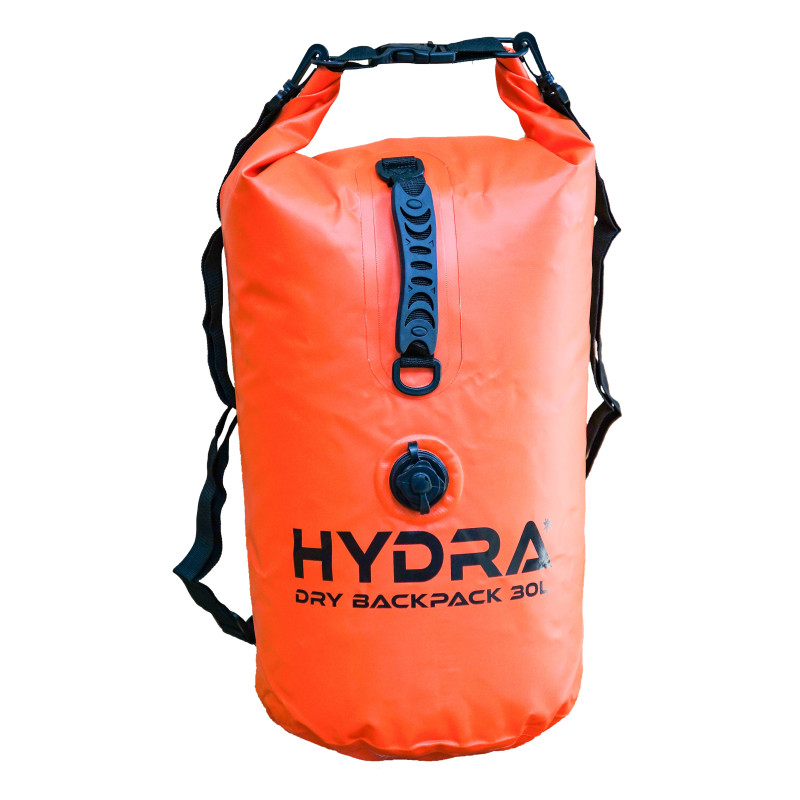
Often considered the gold standard in water protection, dry bags are typically constructed from durable, non-porous materials like PVC or TPU and feature a roll-top closure system. This design creates a watertight seal when rolled down and buckled, effectively preventing any water ingress, even during complete submersion. Dry bags come in various shapes and sizes, from small pouches perfect for phones and wallets to large duffel bags capable of holding substantial gear. They are ideal for activities such as kayaking, boating, rafting, camping near water, and any situation where immersion is a possibility.
Waterproof Backpacks: Combining Protection and Portability
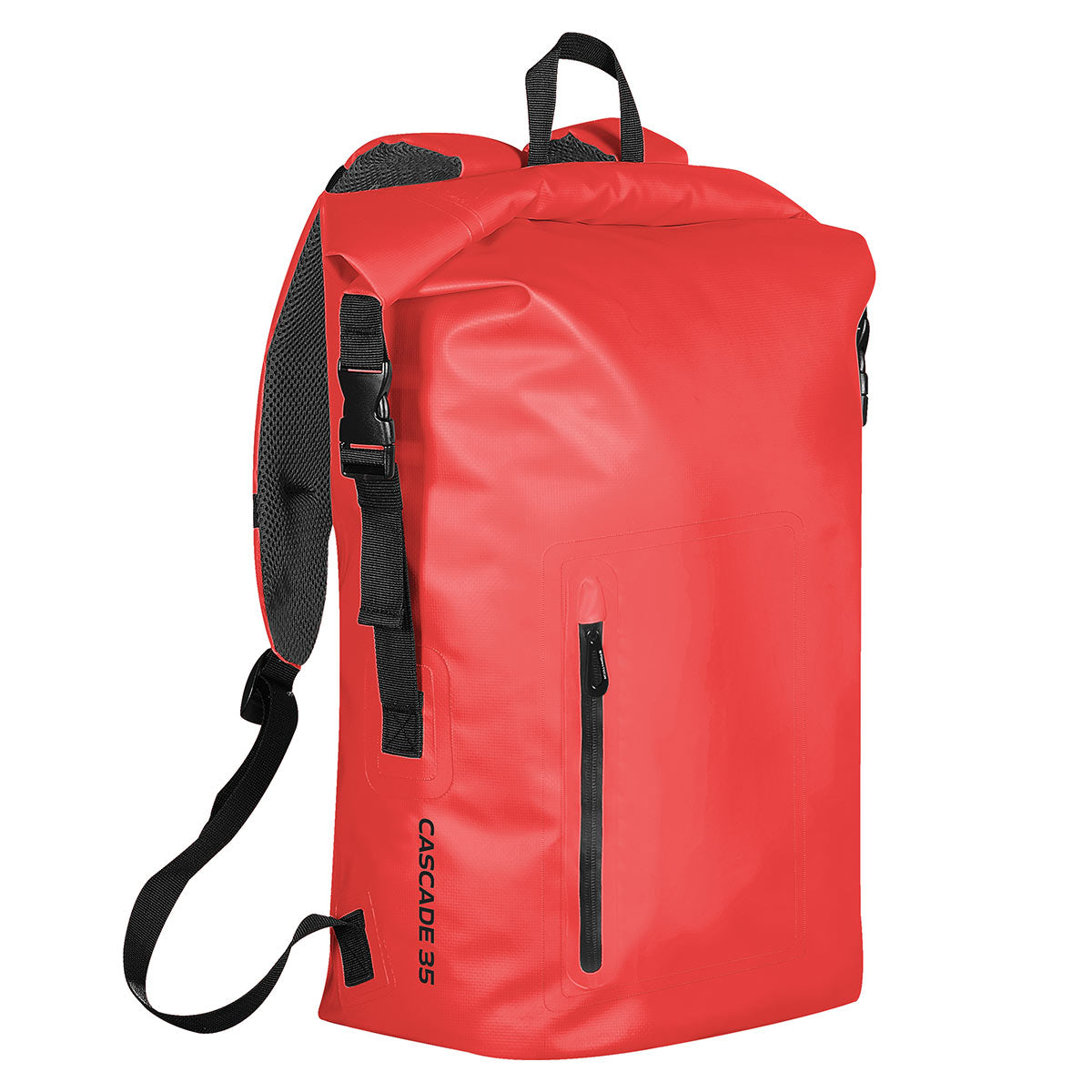
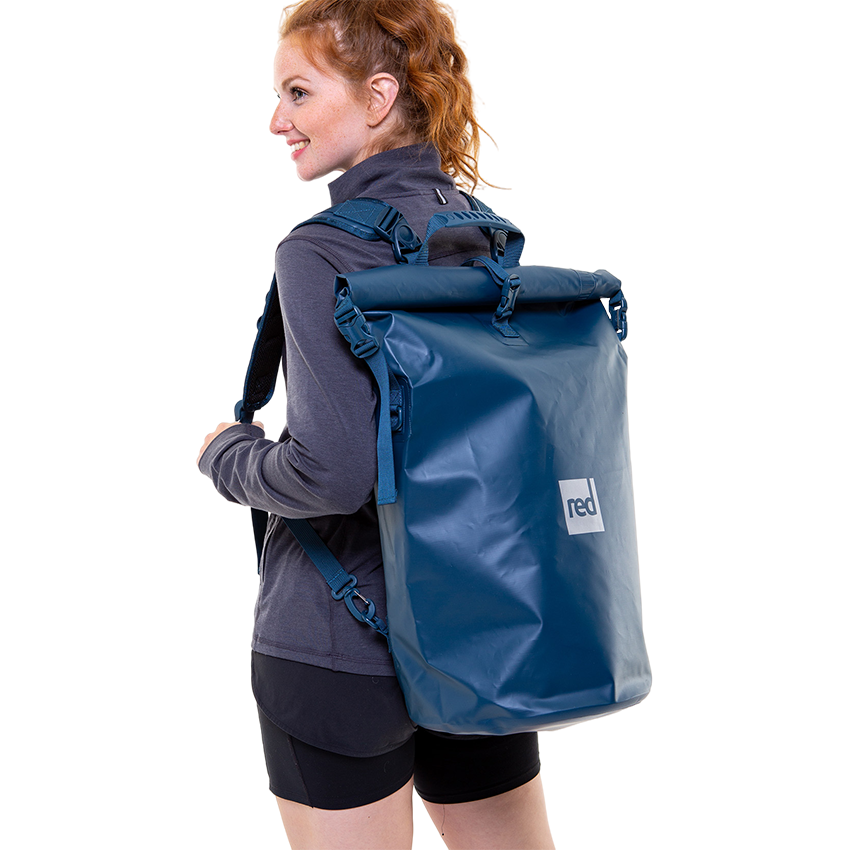
For those who need to carry their belongings while keeping them dry, waterproof backpacks offer the perfect blend of functionality and protection. These backpacks utilize waterproof materials and often feature sealed seams and water-resistant zippers to shield contents from rain, splashes, and even brief submersions. They are popular among hikers, cyclists, commuters, and travelers who may encounter unpredictable weather conditions. Features like padded compartments for electronics, multiple pockets for organization, and comfortable straps make them versatile for everyday use and adventurous pursuits alike.
Waterproof Duffel Bags: Robust and Reliable for Larger Loads
When transporting larger quantities of gear in potentially wet environments, waterproof duffel bags are the go-to solution. Constructed from heavy-duty waterproof fabrics and featuring robust zippers and sealing mechanisms, these bags offer ample storage space while ensuring the contents remain dry. They are favored by those involved in water sports, expeditions, and any activity requiring the transportation of bulky items that need protection from moisture.
Waterproof Pouches and Cases: Compact Protection for Essentials
For safeguarding smaller, essential items like smartphones, cameras, documents, and keys, waterproof pouches and cases provide a compact and reliable solution. These often feature secure locking mechanisms or zip-lock seals to create a watertight barrier. They are indispensable for beach trips, pool days, snorkeling excursions, and any situation where small valuables are at risk of water damage.
Water-Resistant Bags: A Note on Terminology
It’s crucial to distinguish between “waterproof” and “water-resistant.” While waterproof bags are designed to be completely impervious to water, even when submerged, water-resistant bags offer a degree of protection against light rain and splashes. They typically utilize tightly woven fabrics and sometimes have a water-repellent coating. However, they are not designed for prolonged exposure to water or submersion. Understanding this difference is vital when choosing a bag for your specific needs.
The Science Behind Staying Dry: Materials and Construction
The effectiveness of a waterproof bag hinges on the quality of its materials and the precision of its construction. Several advanced materials and techniques are employed to ensure complete water protection:
PVC (Polyvinyl Chloride): Durable and Highly Waterproof
PVC is a robust and cost-effective material widely used in the construction of dry bags and waterproof duffel bags. Its non-porous nature inherently repels water, making it an excellent choice for situations involving significant water exposure.
TPU (Thermoplastic Polyurethane): Flexible and Abrasion-Resistant
TPU offers a superior blend of flexibility and durability compared to PVC. It is also more resistant to abrasion and temperature fluctuations, making it a premium material for high-performance waterproof bags.
Nylon and Polyester with Waterproof Coatings: Lightweight and Versatile
Many waterproof backpacks and pouches utilize nylon or polyester fabrics treated with waterproof coatings such as PU (polyurethane) or DWR (durable water repellent). These materials offer a good balance of weight, strength, and water resistance. For true waterproofing, these fabrics are often combined with sealed seams.
Sealed Seams: Preventing Water Intrusion at Stitch Lines
Even with waterproof materials, water can still penetrate through the tiny holes created by stitching. To overcome this, high-quality waterproof bags employ techniques like heat sealing or welding to create completely impermeable seams, ensuring no water can seep through.

Waterproof Zippers and Closures: Critical for Maintaining a Watertight Seal
The closure mechanism is another crucial aspect of a waterproof bag. Roll-top closures with buckles are highly effective for dry bags. For backpacks and duffel bags, specialized waterproof zippers with interlocking teeth and sealing lips prevent water from entering. Additionally, some bags utilize airtight and watertight zip-lock or valve systems for maximum protection.
Essential Features to Look for in a Waterproof Bag
Beyond the basic requirement of being waterproof, several features can significantly enhance the functionality and usability of a waterproof bag:
Waterproof Rating (IPX Scale): Understanding the Level of Protection
The Ingress Protection (IP) rating system provides a standardized way to understand the level of protection a bag offers against water and dust. For waterproof bags, you’ll typically see ratings like IPX7 (protected against immersion in water up to 1 meter for 30 minutes) or IPX8 (protected against prolonged effects of water under pressure). Understanding these ratings will help you choose a bag that meets the specific demands of your activities.
Size and Capacity: Choosing the Right Fit for Your Needs
Waterproof bags come in a wide range of sizes, from small pouches for a few essentials to large duffel bags for extended trips. Consider what you need to carry and choose a bag with adequate capacity without being unnecessarily bulky.
Durability and Material Strength: Ensuring Longevity
Depending on your intended use, the durability of the bag’s material is crucial. Look for bags made from robust, tear-resistant fabrics, especially if you plan on using them in rugged outdoor environments.
Comfort and Ergonomics (for Backpacks): Carrying Your Load with Ease
If you’re opting for a waterproof backpack, consider features like padded shoulder straps, a sternum strap, a waist belt, and a ventilated back panel for comfortable carrying, especially for longer durations.
Organization and Pockets: Keeping Your Gear Sorted
Depending on your needs, internal and external pockets can be valuable for organizing your belongings and keeping frequently accessed items within easy reach.
Visibility Features: Enhancing Safety in Low Light Conditions
For activities like cycling or kayaking, reflective elements can increase your visibility and safety, especially in low light or adverse weather conditions.
Carrying Options: Versatility in Transportation
Consider how you’ll be carrying the bag. Duffel bags with both handles and shoulder straps offer versatility. Backpacks should have comfortable and adjustable straps.

Selecting the Perfect Waterproof Bag for Your Adventures
Choosing the right waterproof bag involves considering your specific activities, the level of water exposure you anticipate, the amount of gear you need to carry, and your personal preferences. Here are some questions to guide your decision:
By carefully considering these questions, you can narrow down your options and choose a waterproof bag that will provide reliable protection and enhance your adventures and daily life.
Caring for Your Waterproof Bag to Ensure Longevity
To maximize the lifespan and performance of your waterproof bag, proper care and maintenance are essential:

Invest in Peace of Mind with a Reliable Waterproof Bag
A high-quality waterproof bag is more than just a storage solution; it’s an investment in the protection of your valuable belongings and your peace of mind. By understanding the different types of waterproof bags, the materials and construction techniques employed, and the key features to consider, you can make an informed decision and choose a bag that perfectly suits your needs. Whether you’re conquering the great outdoors or simply navigating the urban jungle, a reliable waterproof bag will ensure your essentials remain safe and dry, allowing you to focus on the adventure at hand.