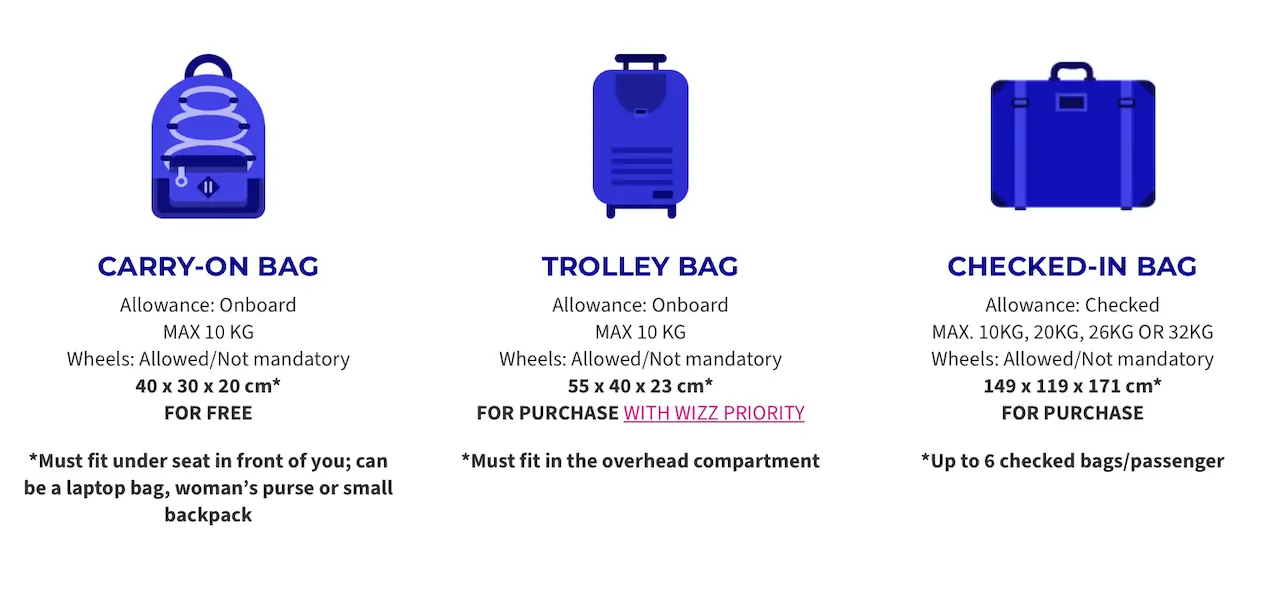
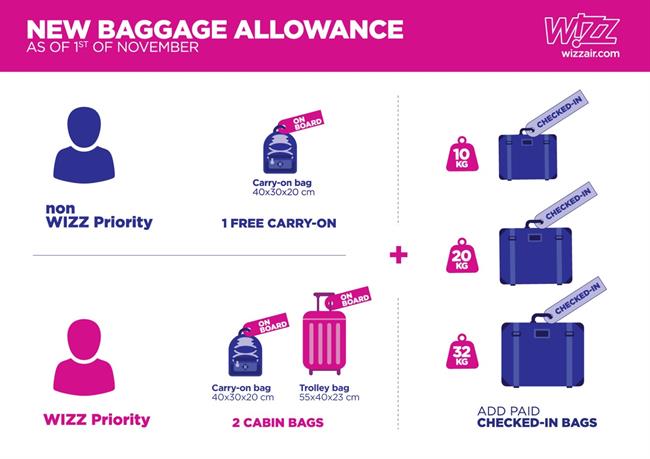
Hand Luggage

The Ultimate Guide to Hand Luggage: Travel Smarter, Not Harder

Embarking on a journey should be an exciting prospect, unburdened by the anxieties of cumbersome luggage. Mastering the art of traveling with just hand luggage is not merely a cost-saving measure; it’s a gateway to freedom, efficiency, and a more streamlined travel experience. This comprehensive guide delves deep into the world of carry-on luggage, equipping you with the knowledge and strategies to navigate airline regulations, select the perfect bag, and pack like a seasoned globetrotter. Prepare to unlock the secrets of lightweight travel and transform the way you explore the world.

Why Embrace the Hand Luggage Lifestyle?

The allure of traveling with only hand luggage extends far beyond avoiding checked baggage fees. Consider the myriad benefits:

  • Time Savings: Bypass lengthy check-in queues and baggage claim carousels, allowing you to swiftly navigate airports and begin your adventure sooner.
  • Reduced Risk of Lost Luggage: Keep your belongings within your sight, eliminating the stress and inconvenience of misplaced or delayed bags.
  • Enhanced Mobility: Navigate crowded streets, public transport, and stairs with ease, unencumbered by heavy suitcases.
  • Cost Efficiency: Avoid the ever-increasing fees associated with checked baggage, freeing up your travel budget for more enriching experiences.
  • Increased Organization: Packing light necessitates careful planning, leading to a more organized and efficient travel experience. You’ll know exactly where everything is, minimizing the frustration of rummaging through overflowing bags.
  • Environmental Friendliness: By reducing the overall weight of the aircraft, you indirectly contribute to lower fuel consumption and a smaller carbon footprint.
  • Decoding Airline Hand Luggage Restrictions: Know Before You Go

    Navigating the diverse and often intricate world of airline hand luggage policies is paramount to a smooth journey. Dimensions, weight limits, and the number of permitted items can vary significantly between carriers. Failing to adhere to these regulations can result in unexpected gate fees and the inconvenience of having your bag checked at the last minute. Here’s a breakdown of key considerations:

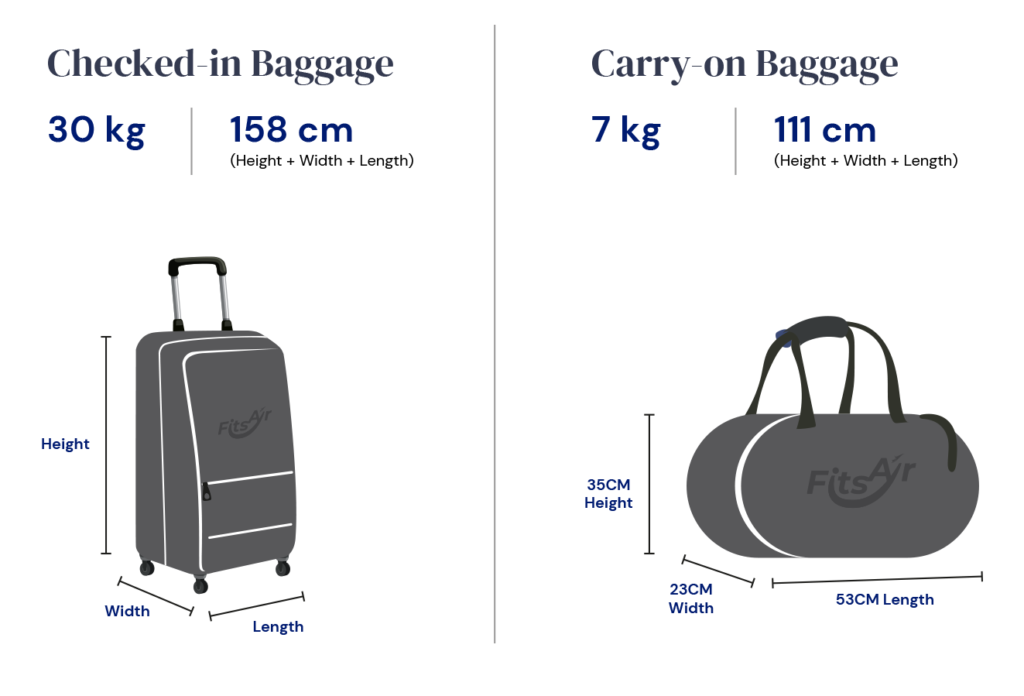
    • Size Matters: Airlines typically specify maximum linear dimensions (length + width + height) for carry-on bags. These dimensions are often displayed in the form of maximum length, width, and depth. Always check the specific requirements of the airline you are flying with, as these can differ even for seemingly similar routes.
    • Weight Limits: In addition to size restrictions, many airlines impose weight limits on hand luggage. These limits can range from 7kg (approximately 15 lbs) to 12kg (approximately 26 lbs) or more. Be sure to weigh your packed bag before heading to the airport to avoid any surprises.
    • Personal Items: Most airlines allow passengers to carry one personal item in addition to their main hand luggage. This could be a small backpack, a laptop bag, a purse, or a briefcase. Again, the size and type of permitted personal items can vary, so consult your airline’s policy.
    • Liquids, Aerosols, and Gels (LAGs): Regulations regarding LAGs in hand luggage are stringent and internationally standardized for security reasons. Generally, liquids must be in containers of no more than 100ml (or equivalent) and all containers must fit comfortably within a single, transparent, resealable plastic bag with a capacity of no more than one liter.
    • Prohibited Items: A wide range of items are prohibited in hand luggage for safety and security reasons. These typically include sharp objects, flammable substances, and certain sporting goods. Always review the list of prohibited items provided by your airline and airport authorities.
    • Budget Airlines vs. Full-Service Carriers: Be particularly vigilant when flying with budget airlines, as their hand luggage policies are often stricter and fees for exceeding limits can be substantial. Full-service carriers may offer more generous allowances, but it’s still crucial to verify their specific rules.
    • Pro Tip: Utilize the airline’s official website or mobile app to find the most up-to-date information on their hand luggage policy. Many airlines also offer sizers at the check-in counters and boarding gates to help you ensure your bag meets their requirements.

      Selecting the Perfect Hand Luggage: A Buyer’s Guide

      Choosing the right carry-on suitcase or bag is a crucial step in mastering the art of lightweight travel. With a plethora of options available, understanding the key features and benefits of different types of hand luggage will help you make an informed decision:

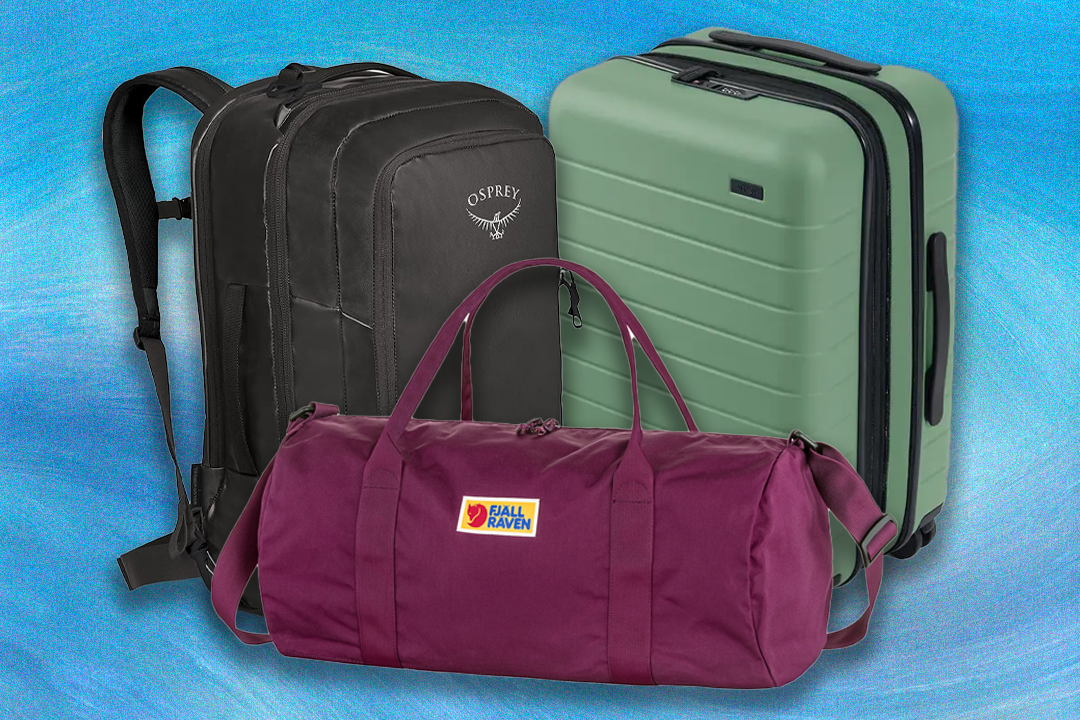
      • Rolling Suitcases: These are a popular choice for their ease of maneuverability, featuring wheels and a retractable handle. Consider the size and weight of the empty suitcase itself, as this will impact your overall packing capacity and weight allowance. Look for durable wheels and a sturdy handle.
      • Soft-Sided Suitcases: Often lighter than their hard-shell counterparts, soft-sided suitcases offer more flexibility in terms of packing and can sometimes be squeezed into tighter overhead compartments. Look for durable materials and reinforced stress points.
      • Hybrid Suitcases: Combining the durability of a hard shell with the flexibility of soft sides, hybrid suitcases offer a good compromise.
      • Backpacks: Ideal for travelers who prioritize mobility and navigating uneven terrain, travel backpacks often feature internal compartments and compression straps to maximize packing space. Look for comfortable straps and a supportive hip belt.
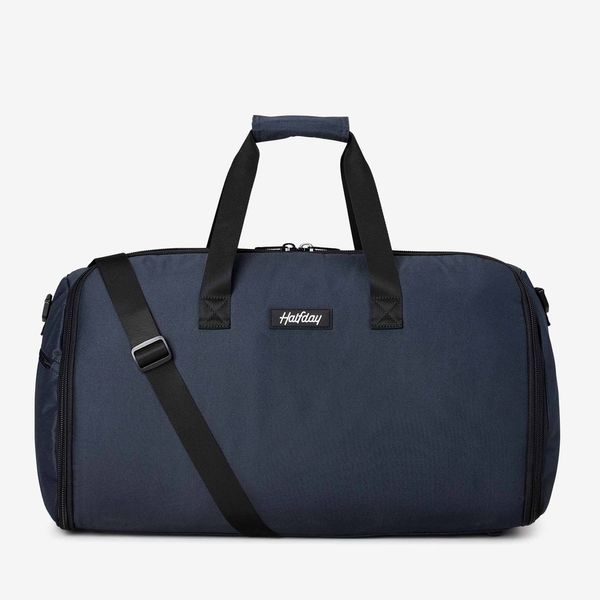
      • Duffel Bags: Versatile and often lightweight, duffel bags can be a good option for shorter trips or as a secondary carry-on. Choose one with durable zippers and sturdy handles.
      • Key Features to Consider:

        • Size and Weight: Ensure the dimensions and empty weight comply with the most restrictive airline you are likely to fly with.
        • Durability: Opt for high-quality materials and construction that can withstand the rigors of travel.
        • Storage and Organization: Look for internal compartments, pockets, and compression straps to help you organize your belongings efficiently.
        • Maneuverability (for rolling suitcases): Smooth-rolling wheels and a comfortable, sturdy handle are essential.
        • Hand Luggage
        • Comfort (for backpacks): Padded straps and a supportive back panel will make carrying your bag more comfortable.
        • The Art of Packing Light: Maximizing Your Hand Luggage Space

          Hand Luggage

          Packing efficiently is the cornerstone of successful hand luggage travel. It’s about making smart choices and utilizing every inch of available space. Here are some essential packing techniques:

          Hand Luggage

          • Plan Your Outfits: Instead of packing individual items, plan complete outfits for each day of your trip. Choose versatile pieces that can be mixed and matched to create multiple looks.
          • Roll Your Clothes: Rolling clothes tightly can save significant space compared to folding and also helps to minimize wrinkles.
          • Use Packing Cubes: These zippered fabric containers help to compress your clothes, organize your bag, and separate different categories of items.
          • Utilize Empty Spaces: Stuff socks, underwear, and small items inside shoes and hats to maximize space utilization.
          • Hand Luggage
          • Travel-Sized Toiletries: Invest in travel-sized versions of your essential toiletries or decant your regular products into reusable travel containers that comply with liquid restrictions.
          • Wear Your Heaviest Items: Wear your bulkiest shoes, jackets, and sweaters on the plane to save space and weight in your hand luggage.
          • Minimize Electronics: Only bring essential electronic devices and consider multi-purpose gadgets.
          • Leave Unnecessary Items Behind: Be ruthless in your selection. If you’re unsure whether you’ll need something, chances are you won’t.
          • Consider Solid Toiletries: Shampoo bars, solid conditioner, and solid sunscreen take up less space and eliminate liquid restrictions.
          • Essential Items for Your Hand Luggage: Don’t Leave Home Without These

            While packing light is crucial, certain items are indispensable for a comfortable and safe journey. Here’s a list of essential items to include in your hand luggage:

            • Travel Documents: Passport, visa (if required), flight tickets, hotel reservations, and any other necessary identification or travel documents. Keep digital copies as backups.
            • Medications: Any prescription or over-the-counter medications you need, along with a copy of your prescription if required. Keep them in their original packaging.
            • Valuables: Cash, credit cards, jewelry, and important documents should always be kept in your carry-on luggage for security.
            • Electronics and Chargers: Phone, laptop, tablet, chargers, and any necessary adapters.
            • A Change of Clothes: Pack a basic change of clothes in case of unexpected delays or lost checked baggage (even if you’re only traveling with hand luggage, spills happen!).
            • Hand Luggage
            • Basic Toiletries: Travel-sized versions of essential toiletries.
            • Comfort Items: Travel pillow, eye mask, earplugs, and a small blanket can make your flight more comfortable.
            • Snacks and Water Bottle: Bring some non-perishable snacks and an empty reusable water bottle to refill after passing through security.
            • Entertainment: A book, e-reader, downloaded movies, or music to keep you entertained during your journey.
            • First-Aid Kit: A small kit with basic essentials like bandages, antiseptic wipes, and pain relievers.
            • Navigating Security with Your Hand Luggage: A Smooth Passage

              Passing through airport security can be a seamless process if you are well-prepared with your hand luggage. Here are some tips to ensure a smooth experience:

              • Know the Rules: Be familiar with the latest security regulations regarding liquids, prohibited items, and electronic devices.
              • Pack Liquids Properly: Ensure all liquids are in containers of 100ml or less and are placed in a single, transparent, resealable plastic bag.
              • Remove Electronics: Be prepared to remove laptops, tablets, and other large electronic devices from your bag and place them in a separate bin.
              • Empty Your Pockets: Remove all metal items, such as keys, coins, and belts, from your pockets before going through the scanner.
              • Wear Easy-to-Remove Shoes: This will expedite the security screening process.
              • Be Polite and Cooperative: Security personnel are there to ensure everyone’s safety. Follow their instructions and be patient.
              • Beyond the Basics: Advanced Hand Luggage Strategies

                Once you’ve mastered the fundamentals of hand luggage travel, you can explore more advanced strategies to further optimize your packing and travel experience:

                Hand Luggage

                • The One-Bag Travel Philosophy: Embrace the minimalist approach of fitting everything you need into a single backpack or carry-on suitcase.
                • Capsule Wardrobe for Travel: Curate a selection of versatile clothing items that can be combined in numerous ways to create different outfits.
                • Lightweight and Multi-Functional Gear: Invest in travel-specific gear that is lightweight, compact, and serves multiple purposes.
                • Digitalize Everything Possible: Store travel documents, books, and entertainment on your electronic devices to reduce physical clutter.
                • Laundry on the Go: Consider packing travel-sized laundry detergent or utilizing laundry services at your destination to pack fewer clothes.
                • Conclusion: Embrace the Freedom of Hand Luggage Travel

                  Traveling with hand luggage is more than just a trend; it’s a smart, efficient, and liberating way to explore the world. By understanding airline regulations, selecting the right bag, mastering packing techniques, and knowing what essentials to bring, you can transform your travel experience from stressful to seamless. Embrace the freedom of lightweight travel and discover the joy of navigating the globe with ease and confidence. So, pack smart, travel light, and let your adventures begin!

                  United Airlines Carry On

                  Navigating the Skies with Ease: Your Comprehensive Guide to United Airlines Carry-On Luggage

                  Embarking on a journey with United Airlines? Understanding their carry-on luggage policy is the first crucial step towards a stress-free travel experience. This comprehensive guide will delve into the intricacies of United’s regulations, providing you with all the essential information to pack smart, breeze through security, and settle comfortably into your seat without any unexpected baggage hassles. We’ll explore the specific size and weight restrictions, clarify what constitutes a carry-on bag versus a personal item, highlight items that are prohibited from your carry-on, and offer invaluable packing tips to maximize your space and efficiency.

                  Decoding the Dimensions: United Airlines Carry-On Size and Weight Limits

                  United Airlines, like most major carriers, has specific limitations on the size and weight of your carry-on baggage to ensure it can be safely stowed in the overhead bins and that the boarding process remains efficient for all passengers. Adhering to these guidelines is paramount to avoid gate-checking your bag, which can lead to delays and potential inconvenience upon arrival.

                  The Standard Carry-On Bag: Maximizing Your Overhead Space

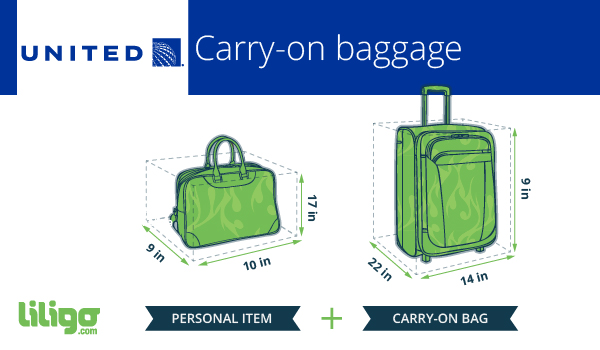
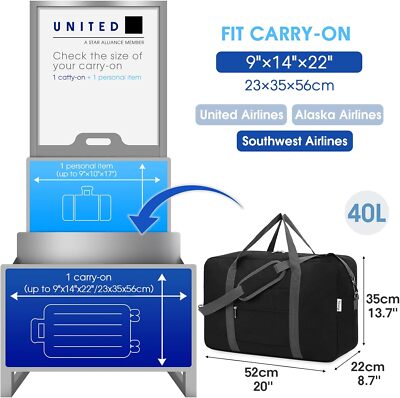
                  Your primary carry-on bag must not exceed 22 x 14 x 9 inches (56 x 35 x 23 centimeters), including handles and wheels. It’s crucial to measure your bag accurately, as gate agents are known to enforce these rules strictly. Choosing a bag that fits within these dimensions will guarantee its place in the overhead compartment, allowing you quick access to your belongings during and after your flight. Remember that soft-sided bags offer a bit more flexibility, but it’s still essential to stay within the stated limits.

                  The Personal Item: Your Under-Seat Companion

                  In addition to your main carry-on bag, United Airlines permits one personal item per passenger, free of charge. This item must be smaller than your carry-on and should be able to fit comfortably under the seat in front of you. Common examples of personal items include a laptop bag, a purse, a small backpack, or a briefcase. The maximum dimensions for a personal item are 17 x 10 x 9 inches (43 x 25 x 23 centimeters). Utilizing your personal item wisely can significantly increase the amount you can bring on board, allowing you to keep essential documents, electronics, and comfort items readily accessible throughout your journey.

                  Weight Restrictions: Keeping Things Light

                  While United Airlines doesn’t typically enforce a strict weight limit for standard carry-on bags for most flights, it’s always prudent to pack responsibly. Gate agents may ask you to lift your bag into the overhead bin to ensure you can handle it safely. For certain smaller regional flights operated by United Express, weight restrictions may apply, so it’s always a good idea to check the specific baggage policies for your particular flight, especially if it’s a shorter, regional connection. Overly heavy bags can also slow down the boarding process and pose a safety risk to both passengers and crew.

                  Navigating Security: What You Can and Cannot Pack in Your Carry-On

                  Understanding the regulations regarding prohibited items in your carry-on luggage is crucial for a smooth passage through airport security. Failure to comply can result in delays, confiscation of items, and unnecessary stress. Familiarize yourself with the Transportation Security Administration (TSA) guidelines, as they are strictly enforced by United Airlines.

                  Liquids, Aerosols, and Gels (LAGs): The 3-1-1 Rule

                  The well-known 3-1-1 rule for liquids, aerosols, and gels (LAGs) in carry-on baggage is a cornerstone of airport security. Each passenger is allowed to carry on liquids, aerosols, and gels in travel-sized containers that are 3.4 ounces (100 milliliters) or less per item. These containers must be placed in one quart-sized, clear plastic, zip-top bag. Each passenger is limited to one such bag. Make sure all your toiletries and liquid cosmetics adhere to these regulations to avoid any issues at the security checkpoint.

                  Sharp Objects: Handle with Care (or Pack in Checked Bags)

                  Sharp objects that could be used as weapons are strictly prohibited in carry-on luggage. This includes items such as knives (regardless of size or type, except for round-bladed butter knives and plastic cutlery), scissors with blades longer than four inches, box cutters, ice picks, and razor blades (unless they are safely encased in a cartridge). These items should be securely packed in your checked baggage to comply with security regulations.

                  Sporting Goods: Check Them In

                  Many sporting goods that could potentially be used as blunt instruments or cause harm are not allowed in carry-on luggage. This category includes items like baseball bats, golf clubs, hockey sticks, bowling pins, and skateboards. These items should be checked in with your other baggage.

                  Firearms and Explosives: Absolutely Prohibited in Carry-On

                  It goes without saying that firearms, ammunition, and explosive materials of any kind are strictly prohibited in carry-on luggage. There are specific regulations for transporting firearms and ammunition in checked baggage, which require prior notification to the airline and adherence to strict packing guidelines. Attempting to carry these items on board will result in severe penalties and legal repercussions.

                  Other Restricted Items: Be Aware

                  Beyond the categories mentioned above, there are other items that may be restricted or prohibited in carry-on luggage. These can include certain tools, flammable materials, and corrosive substances. It’s always best to check the TSA website or the United Airlines website for a comprehensive list of prohibited items before you begin packing. When in doubt, it’s safer to pack an item in your checked baggage.

                  Mastering the Art of Packing Light: Essential Tips for Your United Airlines Carry-On

                  Packing efficiently within the size and weight restrictions can significantly enhance your travel experience. By employing smart packing techniques, you can bring everything you need without the burden of oversized or overweight luggage. Here are some invaluable packing tips to help you make the most of your United Airlines carry-on allowance:

                    United Airlines Carry On
                  • Plan Your Outfits: Instead of packing individual items, plan your outfits for each day of your trip. Choose versatile pieces that can be mixed and matched to create multiple looks.
                  • Roll Your Clothes: Rolling your clothes tightly can save significant space compared to folding them. This technique also helps to minimize wrinkles.
                  • United Airlines Carry On
                  • Utilize Packing Cubes: Packing cubes are a game-changer for organization. They help compress your clothes, separate different categories of items, and make it easier to find what you need without unpacking everything.
                  • Wear Your Heaviest Items: On travel days, wear your bulkiest shoes, jackets, and sweaters. This frees up valuable space and weight in your carry-on.
                  • Travel-Sized Toiletries: Invest in travel-sized versions of your essential toiletries or decant your regular products into smaller, TSA-approved containers.
                  • Solid Toiletries: Consider using solid toiletries like shampoo bars, conditioner bars, and solid perfume. They take up less space and eliminate the risk of leaks.
                  • Maximize Shoe Space: Stuff socks, underwear, and small accessories inside your shoes to utilize every bit of available space.
                  • United Airlines Carry On
                  • Leave Unnecessary Items Behind: Be honest with yourself about what you truly need. Avoid packing “just in case” items that you’re unlikely to use.
                  • Digitalize Documents: Store important documents like your passport, boarding pass, and hotel reservations on your phone or tablet to reduce paper clutter.
                  • Invest in a Lightweight Suitcase: The weight of your empty suitcase contributes to your overall carry-on weight. Opt for a lightweight yet durable bag.
                  • United Airlines Carry On
                    United Airlines Carry On

                    Special Considerations: Traveling with Specific Items on United Airlines

                    Certain items require special attention when traveling with United Airlines. Understanding the specific regulations for these items will ensure a smooth and compliant journey.

                    Electronics: Powering Your Trip

                    Electronic devices such as laptops, tablets, e-readers, and mobile phones are generally permitted in carry-on luggage. However, you will likely be asked to remove them from their cases and place them in a separate bin for screening at the security checkpoint. Ensure your devices are charged, as security personnel may ask you to turn them on. Spare lithium batteries and portable chargers (power banks) must also be carried in your carry-on baggage and are not allowed in checked luggage due to safety concerns regarding potential overheating or fire.

                    Medications: Prioritizing Your Health

                    Prescription medications and essential over-the-counter medications are allowed in carry-on luggage. It’s advisable to keep them in their original packaging with clear labeling. While not always required, having a copy of your prescription can be helpful, especially for controlled substances. Liquid medications exceeding 3.4 ounces are permitted in carry-on baggage but must be declared to TSA officers at the security checkpoint. It’s always a good idea to carry your medications in your carry-on to avoid any potential issues with checked baggage delays or loss.

                    Food and Snacks: Traveling with Sustenance

                    Generally, solid food items are permitted in carry-on luggage, although they may be subject to further inspection by security. However, liquid or gel-like food items (e.g., yogurt, sauces, dips) are subject to the 3-1-1 rule. If you’re traveling internationally, be aware of restrictions on bringing certain food items into your destination country. It’s always best to check the regulations of your destination country’s customs agency.

                    Infant and Child Items: Traveling with Little Ones

                    United Airlines is generally accommodating to families traveling with infants and young children. Essential baby food, formula, breast milk, and other necessary items are typically allowed in carry-on baggage in reasonable quantities, even if they exceed the standard liquid limits. Be prepared to present these items for inspection at the security checkpoint. Strollers and car seats can usually be checked at the gate free of charge.

                    Navigating the Airport: Ensuring a Smooth Carry-On Experience with United

                    Even with perfectly packed carry-on luggage, understanding the airport procedures can further streamline your travel experience with United Airlines.

                    Check-In and Boarding: Be Prepared

                    While you may not need to check in at the counter if you only have carry-on baggage and have already obtained your boarding pass, it’s always a good idea to check the United Airlines app or website for any gate changes or important announcements related to your flight. During the boarding process, be mindful of your carry-on size and be prepared to place it in the overhead bin efficiently. If the overhead bins are full, gate agents may ask passengers to gate-check their carry-on bags free of charge.

                    Overhead Bin Etiquette: Sharing the Space

                    Be considerate of your fellow passengers when stowing your carry-on luggage in the overhead bins. Place your bag wheels-first and lengthwise to maximize space. Smaller personal items should be placed under the seat in front of you. Avoid overstuffing the bins or taking up more space than necessary.

                    Gate Checking: When Your Carry-On Becomes Checked

                    In situations where a flight is full or the overhead bins are at capacity, United Airlines may offer or require passengers to gate-check their carry-on bags. This means your bag will be tagged at the gate and stowed in the cargo hold during the flight. You can usually retrieve your gate-checked bag shortly after arrival in the jet bridge or at a designated area on the ramp. While gate-checking is usually free, it’s important to remove any valuable or fragile items and any medications you may need during the flight before handing over your bag.

                    United Airlines Carry On

                    Staying Informed: United Airlines Carry-On Policy Updates

                    Airline policies, including those related to carry-on luggage, can sometimes change. To ensure you have the most up-to-date information, it’s always recommended to check the official United Airlines website or contact their customer service directly before your travel date. Familiarizing yourself with their current carry-on baggage policy will help you avoid any surprises at the airport and ensure a smoother, more enjoyable journey.

                    By understanding and adhering to United Airlines’ carry-on luggage regulations, you can navigate the airport with greater confidence and embark on your travels with ease. Pack smart, stay informed, and enjoy your flight!
                    Carry Ons

                    Why Embrace the Carry-On Lifestyle? The Undeniable Advantages

                    In today’s fast-paced world, efficiency is paramount, and this extends to how we travel. Opting for carry-on luggage offers a multitude of benefits that can significantly enhance your travel experience. Let’s delve into the compelling reasons to ditch the checked bags.

                    • Save Time and Avoid Baggage Claim Hassle: One of the most significant advantages of traveling with only a carry-on is the elimination of time spent waiting at the baggage carousel. Upon arrival, you can bypass the often-crowded baggage claim area and head straight to your destination, saving valuable time and energy.
                    • Reduce the Risk of Lost or Delayed Luggage: Checked bags can unfortunately go astray. By keeping your belongings with you, you drastically reduce the chances of your luggage being lost, delayed, or mishandled by airlines. This peace of mind is invaluable, especially when you have important events or tight schedules.
                    • Minimize Airline Baggage Fees: Airlines increasingly charge fees for checked baggage, and these costs can quickly add up, especially on budget airlines or multi-leg journeys. Traveling with only a carry-on allows you to avoid these often hefty charges, saving you a significant amount of money over time.
                    • Increased Mobility and Flexibility: Navigating airports, train stations, and even cobblestone streets becomes significantly easier with a lightweight and manageable carry-on. You’ll enjoy greater freedom of movement and won’t be weighed down by bulky suitcases.
                    • Encourages Smarter Packing: The limited space of a carry-on forces you to be more strategic and thoughtful about what you pack. This often leads to bringing only essential items, reducing unnecessary clutter and making it easier to find what you need during your trip.
                    • Decoding Carry-On Dimensions: Navigating Airline Restrictions

                      While the concept of carry-on luggage is universal, the specific size and weight restrictions can vary significantly between airlines. It’s crucial to understand these regulations to avoid gate-checking your bag and incurring unexpected fees. Here’s a breakdown of key considerations:

                      Carry Ons

                      • Standard Carry-On Size: The most common maximum dimensions for a carry-on bag in the United States are approximately 22 inches x 14 inches x 9 inches (including wheels and handles). However, it’s imperative to check the specific requirements of the airline you are flying with, as these can differ.
                      • International Variations: Airlines in other parts of the world may have slightly different size restrictions. European carriers, for instance, often have stricter limits. Always consult the airline’s website or contact their customer service for the most up-to-date information.
                      • Personal Item Considerations: In addition to your main carry-on bag, most airlines allow you to bring one personal item, such as a laptop bag, purse, backpack, or briefcase. There are usually size restrictions for personal items as well, so be sure to check those.
                      • Weight Limits: Some airlines also impose weight limits on carry-on luggage. These limits can range from around 15 to 25 pounds (7 to 12 kilograms). Overweight bags may be required to be checked, often with associated fees.
                      • Carry Ons
                      • Staying Updated: Airline policies can change, so it’s a good practice to double-check the carry-on size and weight restrictions for each flight close to your departure date.
                      • Choosing Your Perfect Carry-On: Materials, Features, and Styles

                        Selecting the right carry-on luggage is a crucial step towards efficient travel. The market offers a wide array of options, each with its own set of advantages. Consider these factors when making your choice:

                        Materials: Durability and Weight

                        • Polycarbonate: Known for its lightweight yet durable properties, polycarbonate is a popular choice for hardshell carry-ons. It offers excellent impact resistance and helps protect fragile items.
                        • ABS (Acrylonitrile Butadiene Styrene): Another hardshell option, ABS is generally more budget-friendly than polycarbonate but may be less durable.
                        • Nylon and Polyester: These are common materials for softshell carry-ons. They are typically lightweight, flexible, and offer good abrasion resistance. Denier (D) is a unit of measurement for the thickness of the fabric; higher denier fabrics are generally more durable.
                        • Hybrid Materials: Some carry-on bags combine different materials to offer a balance of weight, durability, and flexibility.
                        • Key Features to Look For

                          • Spinner Wheels (360-degree rotation): These wheels allow for effortless maneuverability in all directions, making navigating crowded airports a breeze.
                          • Telescoping Handle: A sturdy and adjustable telescoping handle with multiple locking positions ensures comfortable pulling for users of different heights.
                          • Expandable Zipper: This feature provides extra packing capacity when needed, offering flexibility for souvenirs or unexpected purchases.
                          • Carry Ons
                          • Internal Organization: Look for features like zippered compartments, compression straps, and garment sleeves to help you organize your belongings efficiently and maximize space.
                          • External Pockets: Convenient external pockets are ideal for storing frequently accessed items like travel documents, electronics, or water bottles.
                          • TSA-Approved Locks: Built-in TSA-approved locks allow security personnel to inspect your luggage without damaging the lock.
                          • Lightweight Design: Opting for a lightweight carry-on maximizes the amount of belongings you can pack without exceeding airline weight restrictions.
                          • Styles to Suit Your Needs

                            • Hardshell Suitcases: Offer excellent protection for fragile items and are often more water-resistant.
                            • Softshell Suitcases: Typically more flexible and often have external pockets for added convenience.
                            • Rolling Duffel Bags: Combine the spaciousness of a duffel bag with the convenience of wheels and a telescoping handle.
                            • Hybrid Carry-Ons: Blend features of both hardshell and softshell designs.
                            • Carry-On Backpacks: Offer hands-free convenience and are ideal for navigating uneven terrain or crowded public transport. Look for backpacks with luggage straps to secure them to a rolling suitcase.
                            • The Art of Packing Light: Maximizing Your Carry-On Space

                              Mastering the art of packing efficiently is crucial when traveling with only a carry-on. Here are some proven strategies to help you make the most of your limited space:

                              • Plan Your Outfits: Instead of packing individual items, plan your outfits for each day of your trip. Choose versatile pieces that can be mixed and matched to create multiple looks.
                              • Roll Your Clothes: Rolling clothes tightly can save significant space compared to folding. This method also helps to minimize wrinkles.
                              • Use Packing Cubes: These zippered fabric containers help to organize your belongings, compress clothing, and make it easier to find what you need without unpacking everything.
                              • Utilize Every Space: Stuff socks, underwear, and small items inside shoes and hats to maximize every inch of available space.
                              • Travel-Sized Toiletries: Invest in travel-sized versions of your essential toiletries or decant them into reusable travel containers. Adhere to TSA regulations regarding liquid allowances (typically 3.4 ounces or 100 milliliters per container, all fitting into a quart-sized, clear, zip-top bag).
                              • Wear Your Bulkiest Items: Wear your heaviest shoes, jacket, or sweater on the plane to save space in your carry-on.
                              • Leave Unnecessary Items Behind: Be honest with yourself about what you truly need. Avoid packing “just in case” items that you are unlikely to use.
                              • Consider Solid Toiletries: Solid shampoo, conditioner, and soap bars eliminate the risk of leaks and often take up less space.
                              • Electronic Organization: Use a small organizer for your chargers, cables, and adapters to keep them tidy and prevent tangling.
                              • Essential Items for Your Carry-On: What You Absolutely Can’t Forget

                                While packing light is important, there are certain essential items that should always be in your carry-on luggage:

                                • Travel Documents: Passport, visa (if required), flight tickets, hotel confirmations, and any other important travel documents should be easily accessible. Consider keeping digital copies as backups.
                                • Carry Ons
                                • Medications: Any prescription medications or essential over-the-counter remedies should be kept in your carry-on with their original packaging and prescription if necessary.
                                • Valuables: Jewelry, electronics (laptops, cameras), cash, and credit cards should always be kept with you to prevent loss or theft.
                                • Chargers and Adapters: Ensure you have the necessary chargers for your electronic devices and any required power adapters for your destination.
                                • A Change of Clothes: Packing a basic change of clothes in your carry-on can be a lifesaver in case of flight delays or lost checked baggage (if you are checking a bag in addition to your carry-on).
                                • Basic Toiletries: Include essential toiletries like a toothbrush, toothpaste, face wipes, and any necessary personal care items.
                                • Entertainment: Books, e-readers, downloaded movies, or music can help make your journey more enjoyable.
                                • Snacks and Water Bottle: Pack some non-perishable snacks and an empty reusable water bottle to stay hydrated during your travels.
                                • Navigating Security with Your Carry-On: Tips for a Smooth Process

                                  Understanding airport security procedures for carry-on luggage can help you move through the process efficiently:

                                  • Liquids, Aerosols, and Gels (LAGs): Be aware of the TSA’s 3-1-1 rule for liquids: 3.4 ounces (100 milliliters) or less per container; all containers must fit into one quart-sized, clear, plastic, zip-top bag; one bag per passenger.
                                  • Electronics: Be prepared to remove laptops and other large electronic devices from your carry-on bag for separate screening.
                                  • Sharp Objects: Sharp objects such as knives, scissors (with blades longer than 4 inches), and box cutters are generally prohibited in carry-on luggage. Pack these items in your checked baggage.
                                  • Food Items: While some food items are permitted in carry-ons, it’s best to check the specific regulations of the airport and airline, especially for international travel.
                                  • Be Prepared: Have your liquids bag and electronics easily accessible as you approach the security checkpoint. Remove metal items from your pockets.
                                  • The Future of Carry-On Travel: Innovation and Trends

                                    The world of carry-on luggage is constantly evolving with new innovations and trends emerging to make travel even more convenient:

                                    • Smart Luggage: Features like built-in charging ports, GPS tracking, and even self-weighing capabilities are becoming increasingly common in carry-on suitcases.
                                    • Sustainable Materials: A growing focus on eco-conscious travel is leading to the development of carry-ons made from recycled materials and sustainable sources.
                                    • Modular Designs: Some carry-on systems feature modular components that can be added or removed depending on your needs, offering greater versatility.
                                    • Improved Organization Features: Expect to see even more innovative internal organization solutions designed to maximize space and efficiency.
                                    • Lighter and Stronger Materials: Ongoing research and development are leading to the creation of even lighter yet more durable materials for carry-on luggage.
                                    • Travel On Bags

                                      Unlock Seamless Journeys: The Ultimate Guide to Traveling Smart with Your Bags

                                      The thrill of exploration, the allure of new horizons – travel ignites the soul and broadens the mind. Yet, often overshadowed by the anticipation of adventure is the seemingly mundane, yet critically important, aspect of managing your belongings. This comprehensive guide, “Travel on Bags,” delves deep into the art and science of traveling efficiently and effectively with your luggage, transforming a potential source of stress into a seamless component of your journey. Whether you are a seasoned globetrotter or a first-time explorer, mastering the nuances of traveling with your bags is paramount to a smooth and enjoyable experience.

                                      The Foundation of Smooth Travel: Choosing the Right Travel Companion

                                      Your choice of luggage is the cornerstone of your travel experience. Selecting the right bag isn’t just about aesthetics; it’s about functionality, durability, and suitability for your travel style. Consider the duration of your trip, the mode of transportation, and the types of activities you’ll be engaging in. Are you embarking on a weekend city break requiring only a carry-on bag? Or are you venturing on an extended international adventure demanding the capacity of checked baggage?

                                      • Carry-on Luggage: Ideal for shorter trips and those who value speed and convenience. Look for bags that adhere to airline size restrictions and offer smart organizational features. Consider spinner wheels for effortless maneuverability through crowded airports and durable, lightweight materials.
                                      • Checked Baggage: Essential for longer journeys or when you need to pack bulkier items. Prioritize durability, robust zippers, and a secure locking mechanism. Explore options with expandable compartments for those inevitable souvenirs.
                                      • Backpacks: A versatile choice for adventurous travelers or those navigating uneven terrain. Look for ergonomic designs with padded straps and ample support. Internal frames can significantly enhance comfort during extended wear.
                                      • Duffel Bags: A classic choice offering flexibility and ample space. Opt for durable materials and reinforced stitching. Consider models with wheels and a telescoping handle for added convenience.
                                      • Specialty Bags: Depending on your trip, you might need specialized bags for equipment like cameras, sports gear, or musical instruments. Ensure these bags offer adequate protection and comply with transportation regulations.
                                      • Investing in high-quality luggage, even if it means a slightly higher initial cost, can save you significant headaches in the long run. Durable materials and robust construction will withstand the rigors of travel, ensuring your belongings remain safe and secure throughout your journey. Don’t underestimate the importance of reliable zippers and sturdy handles – these seemingly small details can make a world of difference.

                                        Travel On Bags

                                        The Art of Efficient Packing: Maximizing Space and Minimizing Stress

                                        Packing efficiently is a skill that, once mastered, will revolutionize your travel experience. It’s about strategically utilizing every inch of space while ensuring you have everything you need without unnecessary bulk. Forget the haphazard stuffing – embrace a more organized and thoughtful approach.

                                        Travel On Bags

                                        • The Rolling Method: Instead of folding, roll your clothes tightly. This technique not only saves space but also minimizes wrinkles.
                                        • Packing Cubes: These fabric containers are game-changers for organization. They allow you to compartmentalize your belongings, making it easier to find what you need and preventing items from shifting during transit.
                                        • Utilize Empty Spaces: Stuff socks and small items inside shoes. Place delicate items within sweaters or jackets for added protection.
                                        • Travel-Sized Toiletries: Invest in travel-sized versions of your essential toiletries or decant them into reusable containers. This saves significant space and weight.
                                        • Plan Your Outfits: Before you start packing, plan your outfits for each day of your trip. This helps you avoid overpacking unnecessary clothing items. Choose versatile pieces that can be mixed and matched.
                                        • The One-in, One-out Rule: If you buy something new during your trip, consider getting rid of an older item to avoid exceeding baggage limits.
                                        • Weigh Your Bags: Invest in a portable luggage scale to avoid unexpected overweight baggage fees at the airport. Knowing the weight of your bags beforehand allows you to redistribute items if necessary.
                                        • Remember, less is often more when it comes to packing. By adopting efficient packing techniques, you can travel lighter, move more freely, and avoid the burden of lugging around unnecessary items. This not only enhances your comfort but can also save you time and money.

                                          Navigating the Airport Maze: A Guide to Smooth Transitions

                                          Travel On Bags

                                          Airports can often feel like bustling labyrinths, but with a little preparation and understanding, you can navigate them with ease, especially when it comes to managing your bags. Knowing the procedures and regulations surrounding luggage can significantly reduce stress and delays.

                                          • Know Your Airline’s Baggage Policies: Before you even start packing, familiarize yourself with your airline’s specific rules regarding carry-on and checked baggage size and weight restrictions. These can vary significantly between airlines.
                                          • Check-in Procedures: Understand the different check-in options available, such as online check-in, mobile check-in, and airport kiosks. Knowing where to drop off your checked baggage and the designated security lines for carry-on luggage will save you time.
                                          • Security Screening: Be prepared for security checks. Have your liquids and electronics easily accessible in clear, resealable bags as per regulations. Remove belts and metal items as requested. Understanding the rules beforehand will expedite the process.
                                          • Travel On Bags
                                          • Gate Procedures: Pay attention to boarding announcements and gate information. Be aware of any size restrictions for carry-on bags that might be enforced at the gate, especially on smaller aircraft.
                                          • Baggage Claim: Upon arrival, proceed to the designated baggage claim area. Check the monitors for your flight number and carousel information. Be patient, as baggage handling can sometimes take time. Inspect your bags for any damage before leaving the baggage claim area.
                                          • Travel On Bags
                                          • Lost or Delayed Luggage: In the unfortunate event of lost or delayed luggage, immediately report it to the airline’s baggage service desk. Provide them with your baggage tag and contact information. Keep copies of all relevant documents.
                                          • By being informed and prepared, you can navigate the airport environment with confidence, ensuring a smoother transition to your destination and minimizing any potential luggage-related hassles.

                                            Ensuring the Safety and Security of Your Belongings: Peace of Mind on the Go

                                            Protecting your belongings while traveling is a crucial aspect of a worry-free journey. Taking proactive steps to safeguard your bags and their contents can prevent potential losses and inconveniences.

                                            • Secure Your Bags: Use sturdy locks on your checked baggage to deter theft. Consider TSA-approved locks if you are traveling to or through the United States.
                                            • Luggage Tags: Attach clear and durable luggage tags with your name, address, email address, and phone number. Consider including a tag inside your bag as well, in case the external tag is lost or damaged.
                                            • Remove Old Tags: Before each trip, remove any old luggage tags to avoid confusion during baggage handling.
                                            • Valuable Items: Never pack valuable items, such as jewelry, electronics, or important documents, in your checked baggage. Keep them with you in your carry-on bag or personal item.
                                            • Travel Insurance: Consider purchasing travel insurance that covers loss, theft, or damage to your luggage. Review the policy details carefully to understand the coverage limits and exclusions.
                                            • Be Aware of Your Surroundings: Keep an eye on your bags, especially in crowded areas like airports and train stations. Never leave your luggage unattended.
                                            • Digital Security: If you have electronic devices in your bags, consider using password protection and encryption to safeguard your data in case of loss or theft.
                                            • By implementing these security measures, you can significantly reduce the risk of encountering problems with your luggage and enjoy your travels with greater peace of mind.

                                              The Future of Travel Bags: Innovation and Sustainability

                                              The world of travel gear is constantly evolving, with innovations focused on enhancing convenience, durability, and sustainability. From smart luggage with built-in charging ports and GPS tracking to eco-friendly bags made from recycled materials, the future of travel bags is exciting.

                                              • Smart Luggage: Explore the features of smart luggage, such as integrated scales, USB charging ports, and GPS tracking capabilities. However, be aware of airline regulations regarding smart bags with non-removable batteries.
                                              • Sustainable Materials: Consider bags made from recycled materials, such as plastic bottles or reclaimed fabrics. These options are not only environmentally friendly but often offer excellent durability and style.
                                              • Modular Designs: Some luggage systems feature modular components that can be added or removed depending on your needs, offering greater flexibility and adaptability.
                                              • Lightweight and Durable Materials: Advancements in materials science are leading to the development of increasingly lightweight yet incredibly durable luggage options, making travel easier and more comfortable.
                                              • Travel On Bags

                                                As technology continues to advance and environmental awareness grows, we can expect even more innovative and sustainable solutions in the realm of travel bags, further enhancing the travel experience for generations to come.

                                                Traveling on bags, when approached with intention and knowledge, transforms from a logistical hurdle into a seamless aspect of your adventure. By choosing the right luggage, packing efficiently, navigating airports with awareness, and prioritizing the security of your belongings, you can embark on your journeys with confidence and focus on what truly matters: the experiences that await. Embrace the art of smart travel, and let your bags be a reliable companion on your explorations of the world.

                                                Carry On Baggage

                                                Why Embrace the Carry-On Lifestyle? Unveiling the Multifaceted Benefits

                                                Choosing to travel with only carry-on baggage transcends mere practicality; it’s a conscious decision to embrace a more liberated and flexible travel experience. Let’s delve into the compelling advantages:

                                                • Say Goodbye to Baggage Claim Chaos: Reclaim precious time upon arrival by bypassing the often-crowded and unpredictable baggage claim carousel. Step off the plane and directly into your adventure.
                                                • Slash Those Pesky Baggage Fees: Airlines’ checked baggage fees can accumulate rapidly, significantly increasing your travel expenses. Traveling with only a carry-on allows you to keep more money in your pocket for experiences, not extra charges.
                                                • Enhanced Mobility and Freedom: Navigating airports, train stations, and cobblestone streets becomes significantly easier when you’re not lugging around heavy, cumbersome suitcases. Enjoy the agility of a single, manageable bag.
                                                • Reduced Risk of Lost or Delayed Luggage: The nightmare scenario of your checked baggage going astray is drastically minimized when your belongings stay with you throughout your journey. Enjoy peace of mind knowing your essentials are always within reach.
                                                • Faster Security Checks: Streamlined packing often translates to a smoother and quicker passage through airport security. Less clutter in your bag makes the screening process more efficient.
                                                • Promoting Mindful Packing: The limited space of a carry-on encourages you to be more deliberate and thoughtful about what you truly need. This fosters a minimalist approach that can extend beyond your travels.
                                                • Decoding the Dimensions: Navigating Carry-On Baggage Size and Weight Restrictions

                                                  While the allure of carry-on travel is undeniable, understanding the often-nuanced regulations set forth by different airlines is paramount. Failing to adhere to these guidelines can result in forced gate-checking and unexpected fees. Here’s a comprehensive overview:

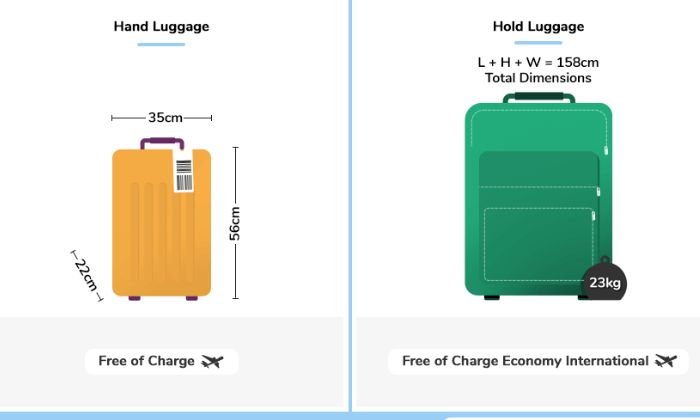
                                                  • Standard Size Guidelines: While there isn’t a universally accepted standard, many major airlines adhere to approximate dimensions of 22 inches (56 cm) in height, 14 inches (36 cm) in width, and 9 inches (23 cm) in depth. Always verify the specific requirements of the airline you are flying with, as these can vary.
                                                  • Weight Limitations: In addition to size, most airlines also impose weight restrictions on carry-on baggage, typically ranging from 15 to 22 pounds (7 to 10 kilograms). Again, confirm the specific limits of your carrier.
                                                  • Personal Item Considerations: Alongside your main carry-on, most airlines permit one personal item, such as a backpack, purse, laptop bag, or briefcase. Ensure your personal item fits comfortably under the seat in front of you. Dimensions for personal items also vary, so check with your airline.
                                                  • Budget Airline Nuances: Be particularly vigilant when flying with budget airlines, as their carry-on baggage allowances are often stricter and fees for exceeding them can be substantial.
                                                  • Tools for Measurement: Invest in a reliable luggage scale and a soft measuring tape to ensure your carry-on and personal item comply with the airline’s regulations before you even leave for the airport.
                                                  • The Art of Packing Light: Mastering Carry-On Baggage Efficiency

                                                    Successfully navigating the world with just a carry-on is less about restriction and more about strategic packing. Here are expert techniques to maximize your limited space and ensure you have everything you need without the bulk:

                                                    • The Rolling vs. Folding Debate: Many seasoned travelers swear by the rolling method for clothes, as it can save space and minimize wrinkles. Experiment with both rolling and folding to see what works best for different types of garments.
                                                    • Strategic Use of Packing Cubes: These fabric organizers are game-changers for carry-on packing. They help compress clothes, separate items, and keep your bag tidy and organized, making it easier to find what you need.
                                                    • Multi-Functional Clothing is Your Ally: Opt for versatile clothing items that can be mixed and matched to create multiple outfits. Choose fabrics that are lightweight, wrinkle-resistant, and quick-drying.
                                                    • Travel-Sized Toiletries are Essential: Invest in travel-sized versions of your essential toiletries or decant your regular products into reusable travel containers that comply with liquid restrictions (typically no more than 3.4 ounces or 100 milliliters per item, all fitting into a quart-sized, clear, zip-top bag).
                                                    • Wear Your Heaviest Items: On travel days, wear your bulkiest shoes, jackets, and sweaters to free up valuable space in your carry-on.
                                                    • Leave Unnecessary Items Behind: Be honest with yourself about what you truly need. Avoid packing “just in case” items that you are unlikely to use.
                                                    • Utilize Every Nook and Cranny: Stuff socks and small items inside shoes, and use empty spaces within other items to maximize capacity.
                                                    • Consider Compression Bags (with Caution): While compression bags can significantly reduce the volume of clothes, be mindful of potential wrinkles and ensure your bag still meets the airline’s size and weight restrictions.
                                                    • Essential Items for Your Carry-On Baggage: The Must-Haves for a Smooth Journey

                                                      While packing light is crucial, certain items are non-negotiable for your carry-on baggage to ensure a comfortable and stress-free travel experience:

                                                      Carry On Baggage

                                                      • Important Documents: Passport, visa (if required), driver’s license, flight or train tickets, hotel reservations, and any other essential travel documents should always be kept readily accessible in your carry-on or personal item. Consider making digital copies as well.
                                                      • Medications: Prescription medications, along with a copy of your prescription, should always be carried on. Never pack essential medications in checked baggage.
                                                      • Carry On Baggage
                                                      • Valuables: Jewelry, electronics (laptops, tablets, phones, cameras), cash, credit cards, and other valuable items should be kept secure in your carry-on to prevent loss or damage.
                                                      • Basic Toiletries: Travel-sized essentials like toothbrush, toothpaste, face wash, and deodorant can be a lifesaver, especially for overnight flights or in case of checked baggage delays.
                                                      • A Change of Clothes: Packing a basic change of clothes in your carry-on can be invaluable in case of unexpected delays or lost luggage.
                                                      • Entertainment: Books, e-readers, downloaded movies or shows, and noise-canceling headphones can make your journey more enjoyable.
                                                      • Snacks and Hydration: Pack some non-perishable snacks and an empty reusable water bottle to stay nourished and hydrated, especially during long travel days.
                                                      • Portable Charger: Keep your electronic devices powered up, especially during layovers or when access to outlets is limited.
                                                      • Choosing the Right Carry-On Bag: A Matter of Form and Function

                                                        Selecting the ideal carry-on bag is just as important as what you pack inside it. Consider these factors when making your choice:

                                                        Carry On Baggage

                                                        • Size and Weight: Ensure the bag meets the typical carry-on size and weight restrictions of most major airlines.
                                                        • Durability and Materials: Opt for a bag made from sturdy and durable materials that can withstand the rigors of travel.
                                                        • Maneuverability: For wheeled carry-ons, ensure the wheels glide smoothly and the handle is comfortable to extend and retract.
                                                        • Internal Organization: Look for bags with multiple compartments, pockets, and straps to help you organize your belongings efficiently.
                                                        • Weight of the Bag Itself: A lighter empty bag allows you to pack more without exceeding weight limits.
                                                        • Soft vs. Hard Shell: Soft-shell bags offer more flexibility in terms of packing capacity, while hard-shell bags provide better protection for fragile items. Consider your travel style and needs.
                                                        • Navigating Airport Security with Your Carry-On: Tips for a Seamless Process

                                                          Understanding and adhering to airport security regulations regarding carry-on baggage can significantly expedite your passage through security checkpoints:

                                                          • Liquids, Aerosols, and Gels (LAGs): Remember the 3-1-1 rule: liquids, aerosols, and gels must be in containers of 3.4 ounces (100 milliliters) or less, all placed in one quart-sized, clear, zip-top plastic bag.
                                                          • Electronics: Be prepared to remove laptops and other large electronic devices from your carry-on for separate screening.
                                                          • Sharp Objects: Sharp objects such as knives, scissors (with blades longer than 4 inches), and box cutters are generally prohibited in carry-on baggage. Pack these in your checked luggage.
                                                          • Food and Drinks: Regulations regarding food and drinks in carry-on baggage can vary. It’s generally best to consume or dispose of any liquids exceeding the limit before reaching security.
                                                          • Be Prepared and Organized: Have your liquids bag and electronics easily accessible to expedite the screening process.
                                                          • Carry On Baggage

                                                            The Future of Carry-On Travel: Embracing Innovation and Efficiency

                                                            The world of carry-on baggage is constantly evolving, with innovations focused on maximizing space, convenience, and sustainability. Keep an eye out for advancements in lightweight materials, smart bag features (such as built-in scales and charging ports), and modular packing systems that further streamline the travel experience.

                                                            British Airways Baggage

                                                            Mastering British Airways Baggage: Your Ultimate Companion for Effortless Journeys

                                                            Embarking on a journey with British Airways promises a world of destinations and experiences. However, navigating the intricacies of their baggage policies can sometimes feel like a daunting task. Fear not, intrepid traveler! This comprehensive guide is meticulously crafted to equip you with all the essential knowledge, ensuring your baggage experience is as smooth and stress-free as your flight itself. We delve deep into the nuances of cabin baggage allowances, checked baggage options, potential fees, and invaluable tips to help you pack smart and travel with confidence.

                                                            Understanding Your Cabin Baggage Allowance with British Airways

                                                            British Airways understands the need for essentials to be within easy reach during your flight. Their cabin baggage policy typically allows each passenger to bring one cabin bag and one personal item onboard, free of charge. However, it’s crucial to be aware of the specific size and weight restrictions to avoid any last-minute surprises at the gate.

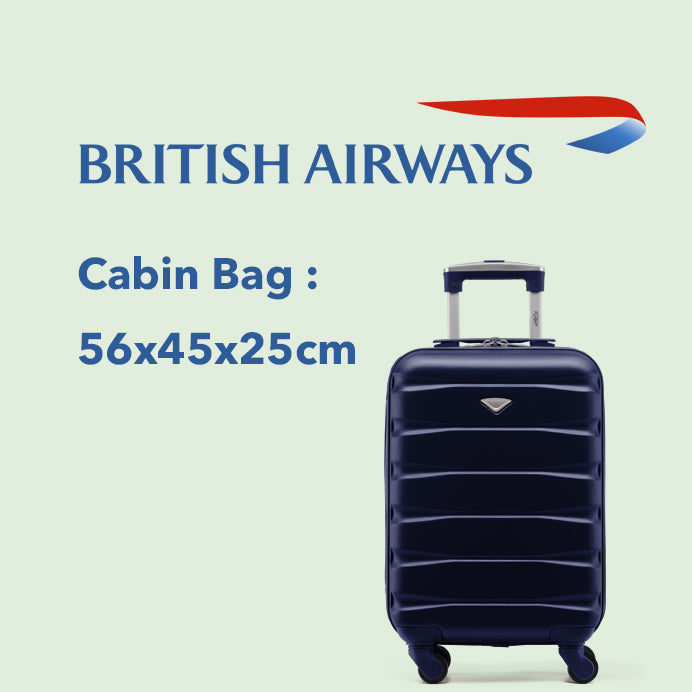
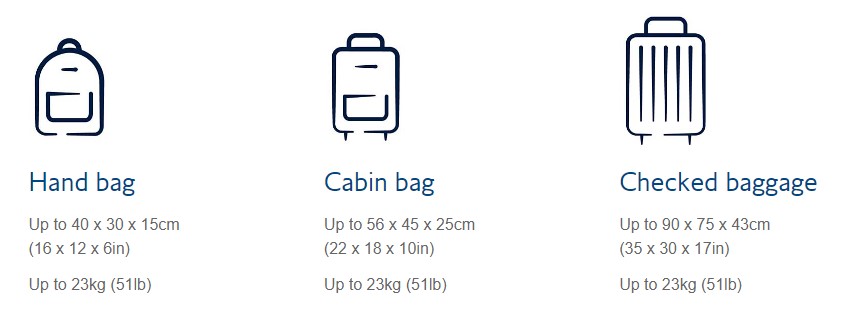
                                                            • Main Cabin Bag: The maximum dimensions for your main cabin bag are generally 56cm x 40cm x 23cm (22in x 16in x 9in), including handles, pockets, and wheels. Ensure your bag fits comfortably within these limits to be stowed in the overhead compartments.
                                                            • Personal Item: Your personal item could be a handbag, laptop bag, or small backpack, with maximum dimensions typically around 40cm x 30cm x 15cm (16in x 12in x 6in). This item must fit comfortably under the seat in front of you.
                                                            • Weight Restrictions: While there isn’t usually a strict weight limit for cabin baggage, it must be of a size and weight that you can comfortably lift and place in the overhead locker yourself. Be mindful of this, especially if you’re carrying heavier items.
                                                            • British Airways Baggage

                                                              It’s always advisable to weigh and measure your cabin baggage at home before heading to the airport. Overstuffed or oversized bags may need to be checked into the hold, potentially incurring additional fees and delays.

                                                              Decoding British Airways Checked Baggage: Options and Regulations

                                                              For longer trips or when you need to carry more than just essentials, British Airways offers various checked baggage options. The allowance and fees can vary significantly depending on your ticket type, destination, and frequent flyer status. Understanding these factors is key to avoiding unexpected costs.

                                                                British Airways Baggage
                                                              • Ticket Types and Allowances: Different fare classes often come with varying checked baggage allowances. Economy Basic fares, for instance, may not include any free checked baggage, while higher fare classes like Premium Economy, Business, and First usually offer a generous allowance of one or more bags. Always check the specific baggage allowance included in your ticket at the time of booking or by managing your booking online.
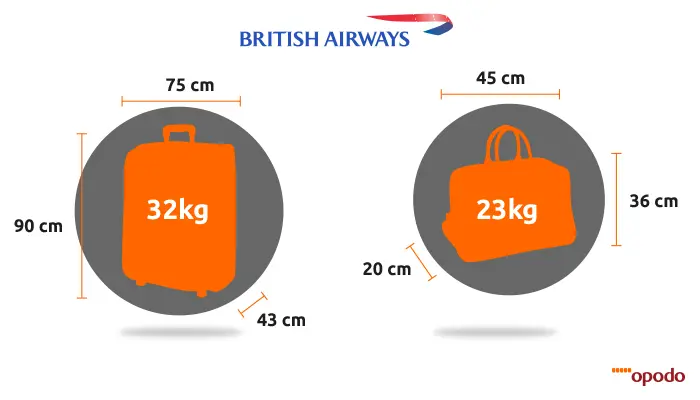
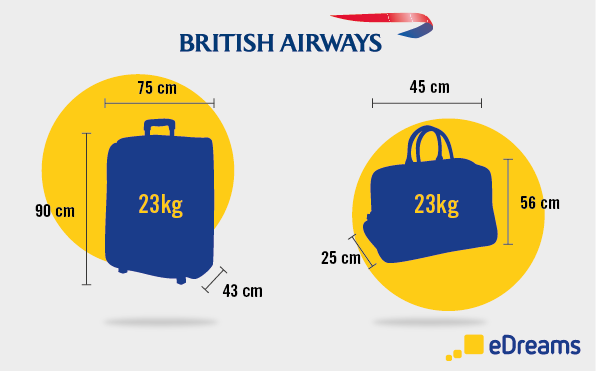
                                                              • Size and Weight Limits: The standard maximum size for a checked bag on British Airways is typically 90cm x 75cm x 43cm (35.5in x 29.5in x 17in). The standard maximum weight per checked bag is usually 23kg (51lbs). Be aware that exceeding these limits will likely result in excess baggage charges.
                                                              • Excess Baggage Fees: If your bags exceed the size or weight limits, or if you need to check in more bags than your allowance permits, you will be subject to excess baggage fees. These fees can vary depending on your destination and the extent of the excess. It’s generally more cost-effective to purchase additional baggage allowance online in advance rather than at the airport.
                                                              • Traveling with Infants and Children: British Airways typically offers a baggage allowance for infants and children, even if they don’t have their own seat. This often includes a stroller or car seat in addition to a small bag for their essentials. Always confirm the specific allowances for infants and children when booking your flights.
                                                              • Planning ahead and understanding the checked baggage regulations will save you time, money, and potential stress at the airport.

                                                                Navigating British Airways Baggage Fees: A Practical Guide

                                                                Understanding potential baggage fees is crucial for budget-conscious travelers. British Airways’ baggage fees are influenced by several factors, including your route, ticket type, and when you purchase the additional allowance.

                                                                • Pre-purchasing Baggage Online: The most economical way to add extra baggage is usually online, before you travel. British Airways often offers discounted rates for baggage purchased in advance through their website or mobile app.
                                                                • Airport Baggage Fees: Purchasing additional baggage allowance at the airport is generally more expensive. Be prepared for potentially higher charges if you exceed your allowance or need to add extra bags at check-in.
                                                                • British Airways Baggage
                                                                • Excess Weight and Size Fees: As mentioned earlier, exceeding the weight or size limits for your checked baggage will incur additional fees. These are typically charged per bag and can be significant. Weigh and measure your bags carefully before you travel.
                                                                • Sports Equipment and Oversized Items: Traveling with sports equipment or other oversized items like musical instruments often requires special handling and may be subject to specific fees. Contact British Airways in advance to understand the regulations and any applicable charges for these items.
                                                                • Proactive planning and purchasing additional baggage allowance online, if needed, can lead to substantial savings and a smoother airport experience.

                                                                  Essential Tips for a Seamless British Airways Baggage Experience

                                                                  British Airways Baggage

                                                                  Beyond understanding the rules and fees, a few practical tips can significantly enhance your baggage experience with British Airways.

                                                                  • Pack Smart and Light: Consider whether you truly need everything you plan to bring. Packing lighter can help you stay within your cabin baggage allowance and avoid the need for checked bags altogether. Utilize packing cubes to compress your belongings and stay organized.
                                                                  • Weigh and Measure Your Bags: Invest in a luggage scale and measure your bags before you leave for the airport. This simple step can prevent unexpected fees and the hassle of repacking at the check-in counter.
                                                                  • Clearly Label Your Luggage: Attach sturdy identification tags with your name, address, email address, and phone number to all your bags, both inside and out. This significantly increases the chances of your luggage being returned to you if it gets lost or delayed.
                                                                  • Keep Valuables and Essentials in Your Cabin Baggage: Important documents (passport, tickets), medication, money, jewelry, electronics, and any fragile items should always be carried in your cabin baggage.
                                                                  • Familiarize Yourself with Restricted Items: Be aware of the list of prohibited items in both cabin and checked baggage, such as flammable liquids, sharp objects, and certain electronic devices. Check the British Airways website for a comprehensive list.
                                                                  • Consider Travel Insurance: Travel insurance can provide coverage for lost, stolen, or delayed baggage, offering peace of mind during your travels.
                                                                  • Arrive at the Airport Early: Allow ample time for check-in and baggage drop-off, especially if you have oversized items or require assistance.
                                                                  • British Airways Baggage
                                                                  • Utilize Online Check-in and Bag Drop Services: If available, online check-in and self-service bag drop kiosks can save you time at the airport.
                                                                  • Dealing with Lost or Delayed Baggage with British Airways

                                                                    While British Airways strives to handle baggage with utmost care, delays or losses can occasionally occur. Knowing the steps to take in such situations is essential.

                                                                    • Report the Issue Immediately: If your baggage doesn’t arrive or is damaged, report it to the British Airways baggage service desk in the arrivals hall before leaving the airport. You will be given a Property Irregularity Report (PIR) and a reference number.
                                                                    • Keep Copies of Your Documents: Retain copies of your flight tickets, baggage tags, and the PIR form. These will be crucial for tracking your bag and making any claims.
                                                                    • Provide a Detailed Description of Your Bag: When reporting lost baggage, provide a thorough description of your bag, including its size, color, brand, and any distinguishing features.
                                                                    • Inquire About Compensation: British Airways has procedures in place to assist passengers whose baggage has been delayed or lost. Inquire about potential compensation for essential items you may need to purchase.
                                                                    • Track Your Baggage Online: Use the reference number provided to track the status of your delayed baggage online through the British Airways website or app.
                                                                    • Follow Up Regularly: Stay in contact with the British Airways baggage tracing team and provide any additional information that may help locate your bag.
                                                                    • By understanding British Airways’ baggage policies, planning ahead, and packing smart, you can significantly minimize potential stress and enjoy a smoother, more enjoyable travel experience. Remember to always refer to the official British Airways website for the most up-to-date information and specific regulations for your journey. Happy travels!

                                                                      British Airways Baggage

                                                                      Southwest Airlines Carry On

                                                                      Mastering Southwest Airlines Carry-On: Your Key to Effortless Travel

                                                                      Embarking on a journey with Southwest Airlines promises a unique blend of friendly service and convenient travel options. To ensure your airport experience is as smooth as your flight, understanding their carry-on luggage policy is paramount. This comprehensive guide delves deep into the intricacies of what you can bring onboard, size limitations, smart packing strategies, and essential tips to navigate the security lines and boarding process like a seasoned traveler. Forget the anxiety of checked baggage fees and lost luggage – let’s unlock the secrets to efficient and stress-free travel with just your carry-on.

                                                                      The Essentials: Understanding Southwest’s Carry-On Allowance

                                                                      Southwest Airlines Carry On

                                                                      Southwest Airlines offers a generous carry-on policy, allowing each passenger to bring one carry-on bag and one personal item. This two-item allowance provides significant flexibility for travelers looking to keep their essentials close at hand and avoid checked baggage fees. However, it’s crucial to adhere to the specific size and weight restrictions to ensure a seamless boarding experience for everyone.

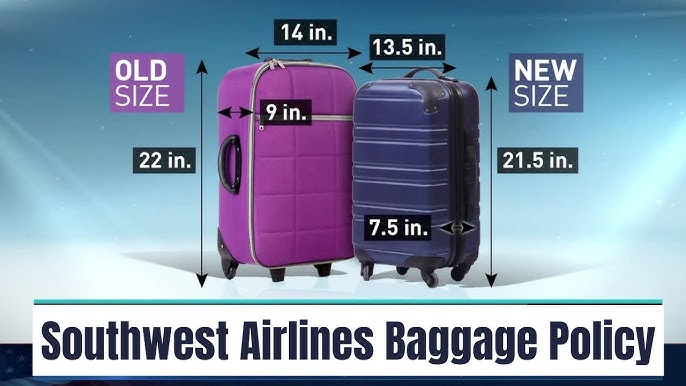
                                                                      • Carry-On Bag Dimensions: Your carry-on bag must not exceed 10 x 16 x 24 inches (25 x 40 x 61 cm). This includes wheels and handles. Southwest employees at the gate and security checkpoints will often use sizing devices to verify compliance.
                                                                      • Personal Item Dimensions: Your personal item can be a purse, briefcase, laptop bag, or a similar-sized item. It must be able to fit under the seat in front of you. While Southwest doesn’t specify exact dimensions for personal items, it’s generally recommended that they don’t exceed approximately 18 x 14 x 8 inches (45 x 35 x 20 cm) to comfortably fit.
                                                                      • Weight Restrictions: Southwest Airlines does not have a weight restriction for carry-on bags. However, you must be able to lift and stow your bag in the overhead bin without assistance. If you require assistance, the bag may need to be checked.
                                                                      • Southwest Airlines Carry On

                                                                        Understanding these fundamental rules is the first step towards a hassle-free journey. By ensuring your bags meet these criteria, you’ll avoid potential gate-checking scenarios and keep your belongings with you throughout your travels.

                                                                        Southwest Airlines Carry On

                                                                        Packing Like a Pro: Maximizing Your Carry-On Space

                                                                        Southwest Airlines Carry On

                                                                        Traveling light with only a carry-on requires strategic packing. Here are some expert tips to help you make the most of your limited space:

                                                                        • The Rolling Method: Instead of folding your clothes, try rolling them tightly. This technique can save significant space and minimize wrinkles.
                                                                        • Packing Cubes: Invest in packing cubes to compress your clothing, organize your belongings, and easily locate items without unpacking everything. They act like drawers within your suitcase.
                                                                        • Utilize Every Nook and Cranny: Stuff socks and small items inside shoes to maximize space. Consider using empty pill containers for small jewelry or toiletries.
                                                                        • Travel-Sized Toiletries: Adhere to the TSA’s 3-1-1 rule for liquids (3.4 ounces or 100 milliliters per container, in one quart-sized, clear, plastic zip-top bag). Consider solid toiletries like shampoo bars and solid perfume to save space and avoid spills.
                                                                        • Wear Your Heaviest Items: On travel day, wear your bulkiest shoes, jacket, or sweater to free up space in your luggage.
                                                                        • Plan Your Outfits: Carefully plan your outfits for your trip to avoid overpacking unnecessary clothing items. Choose versatile pieces that can be mixed and matched.
                                                                        • By implementing these smart packing techniques, you’ll be surprised at how much you can fit into your carry-on and personal item, allowing you to travel efficiently and comfortably.

                                                                          Southwest Airlines Carry On

                                                                          Navigating Security: What You Can and Cannot Bring

                                                                          Understanding the Transportation Security Administration (TSA) regulations regarding prohibited items is crucial for a smooth passage through airport security. While Southwest adheres to these federal guidelines, it’s always wise to double-check the latest TSA rules before your trip.

                                                                          • Liquids, Aerosols, and Gels (LAGs): As mentioned, these are limited to travel-sized containers (3.4 ounces/100 milliliters) and must be placed in a single quart-sized, clear, plastic zip-top bag.
                                                                          • Sharp Objects: Items like knives (including pocket knives), scissors (with blades longer than 4 inches), and box cutters are generally prohibited in carry-on luggage. Pack these securely in your checked baggage.
                                                                          • Sporting Goods: Many sporting goods, such as baseball bats, golf clubs, and skis, are not allowed in carry-on bags. Check with Southwest’s specific policies for transporting these items.
                                                                          • Firearms and Explosives: These are strictly prohibited in carry-on luggage and have specific regulations for checked baggage.
                                                                          • Tools: Most tools longer than 7 inches are not permitted in carry-on bags.
                                                                          • Medications and Special Needs: Essential medications, including liquids, are generally allowed in carry-on baggage in reasonable quantities. It’s advisable to have them labeled and with a doctor’s note if possible. Special needs items like breast pumps and mobility aids are also typically permitted.
                                                                          • Being aware of these restrictions will save you time and potential headaches at the security checkpoint. When in doubt, it’s always best to check the TSA website or contact Southwest Airlines directly for clarification.

                                                                            Beyond the Basics: Additional Tips for a Smooth Journey

                                                                            Traveling with only carry-on luggage can be incredibly liberating. Here are a few more tips to enhance your experience:

                                                                            • Early Boarding Advantage: Southwest Airlines has an open seating policy. Securing an earlier boarding position (through priority boarding options or checking in early) increases your chances of finding overhead bin space for your carry-on bag, especially on full flights.
                                                                            • Be Prepared to Gate Check: In the event of a full flight and limited overhead bin space, Southwest may ask passengers to voluntarily gate-check their carry-on bags free of charge. Be prepared for this possibility and ensure any essential or valuable items are removed from your bag beforehand.
                                                                            • Keep Essentials Accessible: Pack important documents (passport, boarding pass), medications, electronics, and any items you might need during the flight in your personal item for easy access.
                                                                            • Consider a Versatile Travel Pillow: A comfortable travel pillow can make a significant difference on longer flights and can often be attached to your personal item.
                                                                            • Stay Informed: Check the Southwest Airlines website or app for any last-minute updates or changes to their carry-on policy before your flight.
                                                                            • By following these guidelines and embracing a minimalist packing approach, you can transform your travel experience with Southwest Airlines into a seamless and enjoyable adventure. Say goodbye to baggage claim hassles and hello to the freedom of traveling light!

                                                                              Southwest Airlines Carry On

                                                                              Ryanair Baggage

                                                                              Mastering Ryanair’s Baggage Maze: Your Ultimate Guide to Stress-Free Travel

                                                                              Embarking on a budget-friendly adventure with Ryanair can be an exciting prospect, opening up a world of destinations without breaking the bank. However, one aspect that often causes confusion and anxiety for travelers is understanding their baggage policy. Fear not, intrepid explorer! This comprehensive guide will navigate you through the intricacies of Ryanair’s rules, ensuring you’re well-prepared and can breeze through the airport without any unexpected hiccups or hefty fees. We’ll delve deep into cabin bag allowances, explore checked baggage options, illuminate the often-dreaded fees, and equip you with invaluable packing strategies to maximize your allowance.
                                                                              Decoding the Cabin Bag Allowance: What You Can Carry Onboard

                                                                              Ryanair Baggage

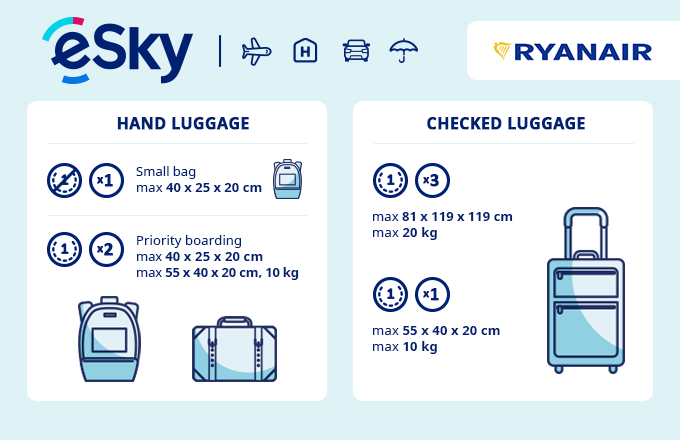
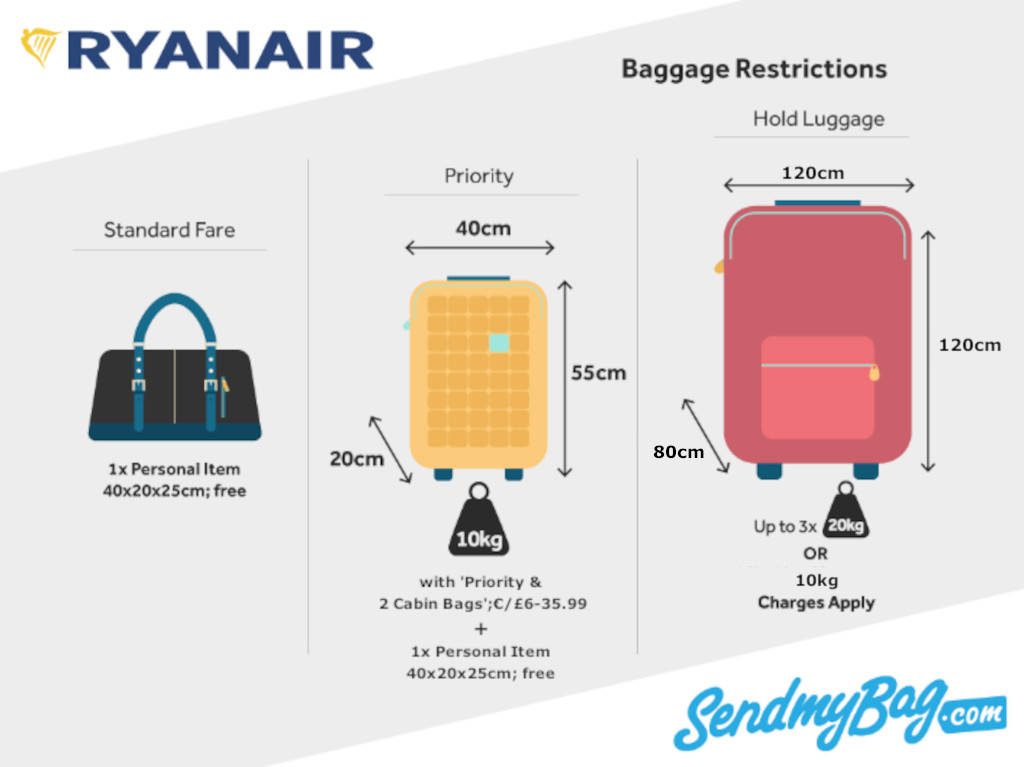
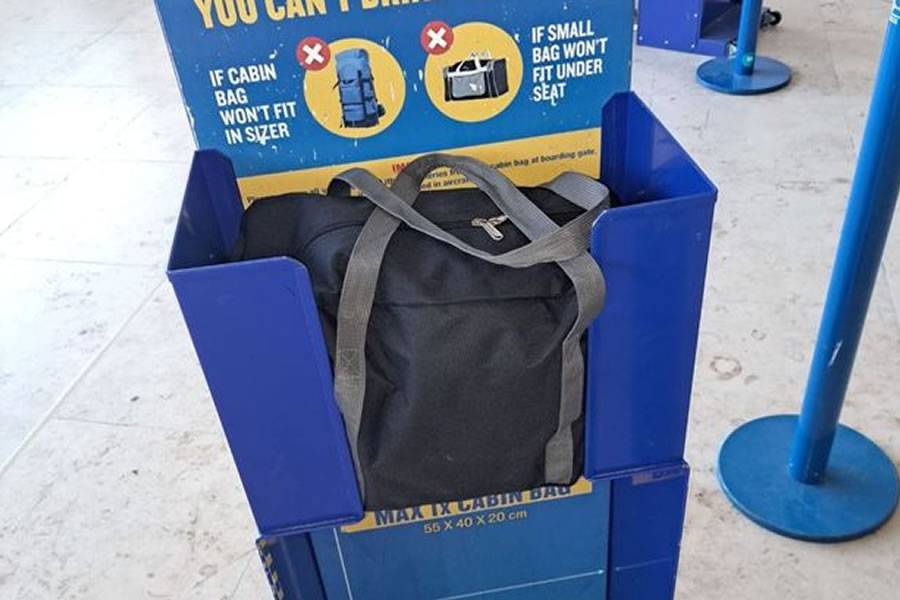
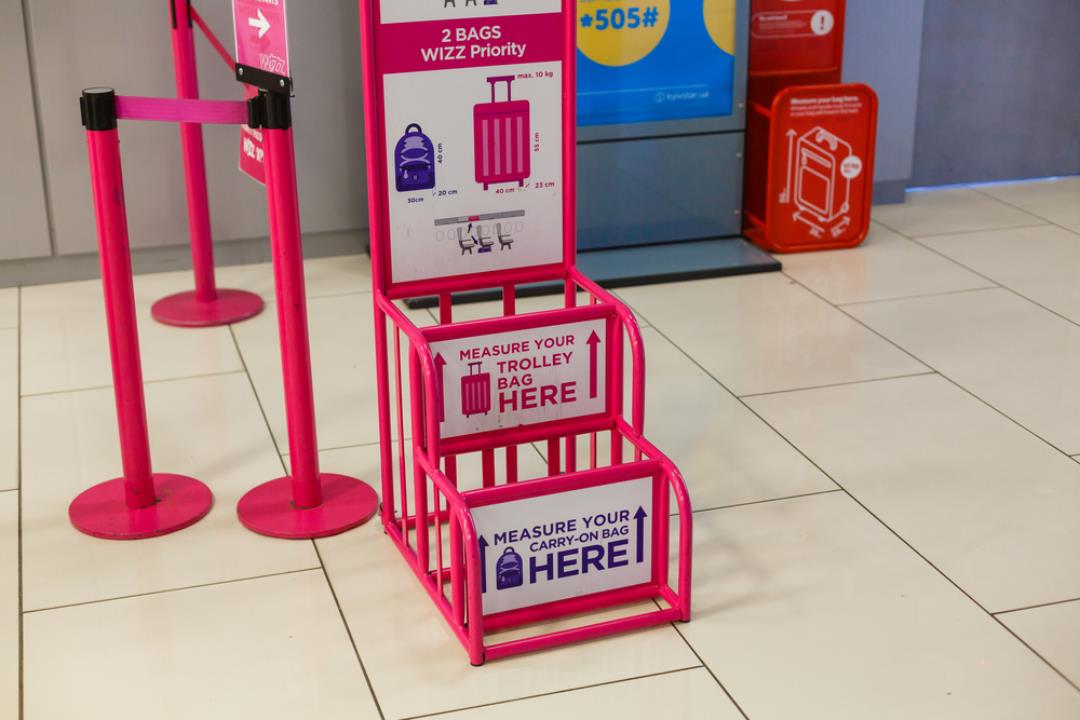
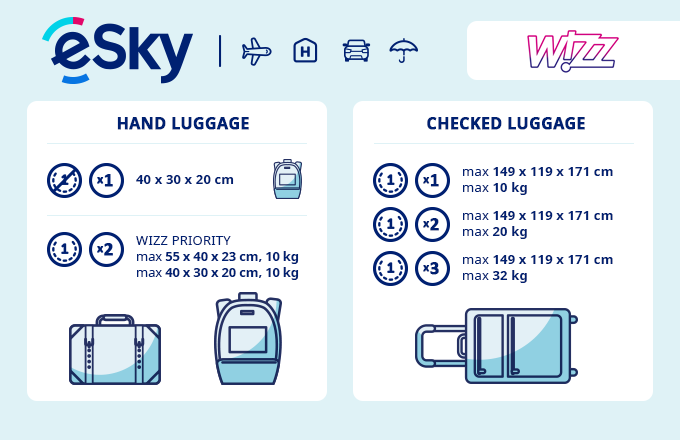
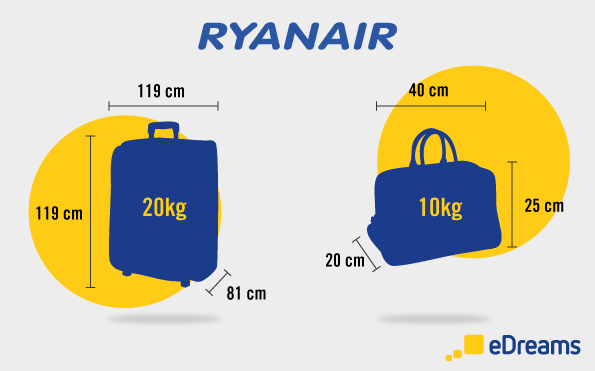
                                                                              Ryanair’s cabin baggage rules have evolved over time, and staying up-to-date is crucial. Currently, every passenger is entitled to bring one small personal bag onboard for free. This bag must fit under the seat in front of you, and there are strict size restrictions in place. Typically, the maximum dimensions are around 40cm x 20cm x 25cm. It’s essential to measure your bag carefully before you travel, as enforcement at the gate can be strict, and oversized bags may incur significant fees and be placed in the hold.

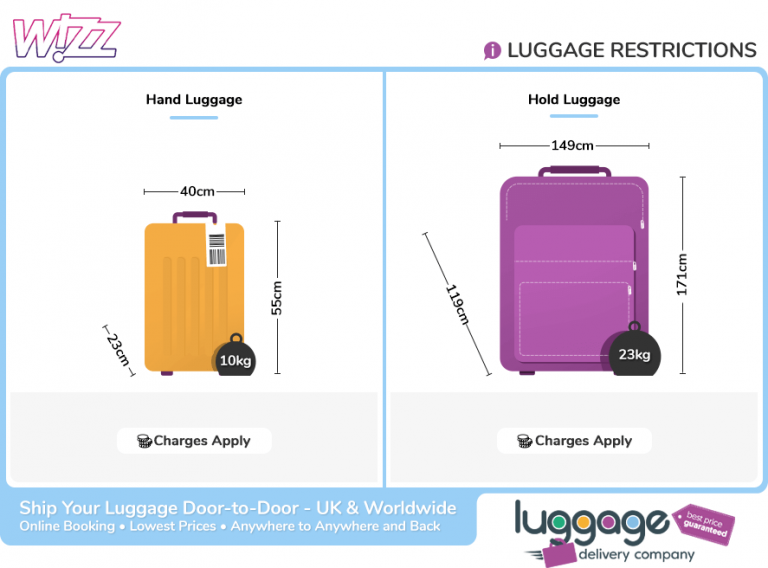
                                                                              For those needing more carry-on space, Ryanair offers the option to purchase Priority boarding. This perk allows you to bring a second, larger cabin bag onboard, in addition to your small personal bag. The maximum dimensions for this larger cabin bag are typically around 55cm x 40cm x 20cm, with a weight limit, usually 10kg. Investing in Priority boarding can be a worthwhile consideration for shorter trips where you prefer to keep your luggage with you.

                                                                              • Free Small Personal Bag: Maximum dimensions approximately 40cm x 20cm x 25cm. Must fit under the seat.
                                                                              • Priority Boarding (Optional): Includes one small personal bag (40cm x 20cm x 25cm) and one larger cabin bag (55cm x 40cm x 20cm, up to 10kg).
                                                                              • Strict Enforcement: Be meticulous about measurements to avoid gate fees.
                                                                              • Understanding Checked Baggage Options: When More Space is Needed

                                                                                For longer trips or when you need to pack more items, Ryanair offers various checked baggage options. Unlike the cabin baggage, checked bags are placed in the aircraft hold and are subject to fees. Ryanair offers different weight allowances for checked bags, typically ranging from 10kg to 20kg, and sometimes even more. The fees associated with checked baggage vary depending on the route, the time of year, and when you purchase the baggage allowance (booking online is usually cheaper than at the airport).

                                                                                It’s crucial to consider the weight and size restrictions for checked baggage as well. Overweight bags will incur additional fees, which can be substantial. Ryanair’s website provides detailed information on the current checked baggage allowances and associated costs. Planning ahead and purchasing your checked baggage allowance online during the booking process or well in advance of your flight is highly recommended to save money.

                                                                                Ryanair Baggage

                                                                                • Various Weight Options: Typically 10kg, 20kg, and sometimes higher allowances available.
                                                                                • Associated Fees: Costs vary based on route, season, and time of purchase.
                                                                                • Size Restrictions: Ensure your checked bag adheres to the specified dimensions.
                                                                                • Pre-booking Advantage: Purchasing checked baggage online is generally cheaper.
                                                                                • Ryanair Baggage

                                                                                  Navigating Ryanair’s Baggage Fees: Avoiding Unexpected Costs

                                                                                  Perhaps the most crucial aspect of Ryanair’s baggage policy to understand is the fees. These can quickly add up if you’re not careful. Fees are applied for oversized cabin bags at the gate, for checked baggage purchased at the airport, and for exceeding the weight limits of your checked bags. The specific amounts vary, but they are generally significantly higher than if you had purchased the allowance or adhered to the rules beforehand.

                                                                                  To avoid these unwelcome expenses, meticulous planning is key. Measure your cabin bags accurately, weigh your checked luggage before heading to the airport, and pre-book any necessary checked baggage allowance online. Familiarize yourself with the current fee structure on Ryanair’s official website. Being proactive and informed can save you a considerable amount of money and stress.

                                                                                  • Gate Fees: Significantly higher for oversized cabin bags.
                                                                                  • Airport Checked Baggage Fees: More expensive than pre-booking online.
                                                                                  • Excess Weight Fees: Applied for checked bags exceeding the purchased allowance.
                                                                                  • Proactive Planning: Measure, weigh, and pre-book to save money.
                                                                                  • Ryanair Baggage

                                                                                    Smart Packing Strategies for Ryanair Flights: Maximizing Your Allowance

                                                                                    Traveling light and smart is essential when flying with budget airlines like Ryanair. Here are some effective packing strategies to help you make the most of your baggage allowance:

                                                                                    Ryanair Baggage

                                                                                    1. Plan Your Outfits: Coordinate your clothing items so that they can be mixed and matched to create multiple outfits.
                                                                                    2. Roll Your Clothes: Rolling clothes instead of folding them can save space and minimize wrinkles.
                                                                                    3. Use Packing Cubes: These handy organizers help compress your clothes and keep your luggage tidy.
                                                                                    4. Ryanair Baggage
                                                                                    5. Wear Your Heaviest Items: Wear your bulkiest shoes, jackets, and sweaters on the plane.
                                                                                    6. Utilize Empty Space: Stuff socks and small items inside shoes or other hollow items.
                                                                                    7. Travel-Sized Toiletries: Opt for travel-sized toiletries to save space and comply with liquid restrictions for cabin baggage.
                                                                                    8. Consider Solid Toiletries: Solid shampoo, conditioner, and soap bars eliminate liquid concerns and save space.
                                                                                    9. Digitalize Documents: Store boarding passes, hotel confirmations, and other important documents on your phone or tablet.
                                                                                    10. Leave Unnecessary Items Behind: Be ruthless in evaluating what you truly need for your trip.
                                                                                    11. Staying Updated: Ryanair’s Evolving Baggage Policies

                                                                                      Airline policies, including baggage rules, can change. Therefore, it’s crucial to always check the latest baggage information on Ryanair’s official website before your flight. Pay attention to any updates regarding size and weight restrictions, as well as fee structures. Staying informed will ensure a smooth and stress-free travel experience.

                                                                                      By understanding and adhering to Ryanair’s baggage policy, you can avoid unexpected costs and travel with greater ease. Remember to plan ahead, pack smart, and always consult the airline’s official website for the most up-to-date information. Happy travels!

                                                                                      Medium Luggage

                                                                                      The Ultimate Guide to Choosing the Perfect Medium Luggage for Your Travels

                                                                                      Embarking on a new journey is always exciting, and having the right equipment can significantly enhance your travel experience. Among the most crucial pieces of travel gear is your luggage. While carry-ons are ideal for short trips and large suitcases are necessary for extended stays, medium luggage strikes the perfect balance for a variety of travel needs. This comprehensive guide will delve into the intricacies of selecting the ideal medium luggage, ensuring you make an informed decision that caters to your specific requirements and travel style.

                                                                                      Understanding the Versatility of Medium Luggage

                                                                                      Medium luggage offers a sweet spot in terms of size and capacity. It provides ample space for clothing, essentials, and souvenirs for trips lasting anywhere from a long weekend to a couple of weeks, without being overly cumbersome or difficult to maneuver. This versatility makes it a popular choice for both leisure and business travelers alike. Whether you’re planning a city break, a relaxing beach vacation, or an important business trip, a well-chosen piece of medium luggage can be your most reliable travel companion.

                                                                                      Key Features to Consider When Selecting Medium Luggage

                                                                                      Medium Luggage

                                                                                      Choosing the right medium luggage involves considering several crucial features. Paying attention to these aspects will ensure you select a suitcase that is not only spacious enough but also durable, easy to handle, and secure.

                                                                                      • Size and Capacity: While categorized as “medium,” dimensions can vary slightly between brands. Pay close attention to the stated liters or cubic inches to ensure it meets your packing needs without exceeding airline size restrictions for checked baggage.
                                                                                      • Material: Luggage materials significantly impact weight, durability, and water resistance. Common options include:
                                                                                        • Polycarbonate: Known for its lightweight yet impact-resistant properties.
                                                                                        • ABS (Acrylonitrile Butadiene Styrene): A more budget-friendly hard-shell option, offering good durability.
                                                                                        • Nylon and Polyester: Durable and often water-resistant soft-shell materials that offer flexibility in packing. Look for higher denier ratings for increased durability.
                                                                                        • Medium Luggage
                                                                                        • Weight: Opting for lightweight medium luggage is crucial, especially if you anticipate moving it frequently or are concerned about airline weight restrictions. A lighter suitcase allows you to pack more without incurring extra fees.
                                                                                        • Wheels: The quality and type of wheels can make a significant difference in maneuverability. Consider:
                                                                                          • Medium Luggage
                                                                                          • Two-wheel (Inline Skate) Systems: Durable and perform well on uneven surfaces.
                                                                                          • Four-wheel (Spinner) Systems: Offer 360-degree rotation, making them incredibly easy to navigate through airports and tight spaces. Ensure the wheels are sturdy and well-attached.
                                                                                          • Handles: Look for both a comfortable top carry handle and a telescopic handle that extends and retracts smoothly. Side carry handles can also be beneficial for lifting and carrying your luggage. Ensure the telescopic handle locks securely at different heights.
                                                                                          • Medium Luggage
                                                                                          • Security Features: Protecting your belongings is paramount. Consider luggage with:
                                                                                            • Built-in TSA-approved locks: Allow security personnel to inspect your luggage without damaging the lock.
                                                                                            • Durable zippers: Look for self-repairing zippers or double-coil zippers that are more resistant to forced entry.
                                                                                            • Anti-theft features: Some high-end luggage includes features like puncture-resistant zippers or reinforced construction.
                                                                                            • Medium Luggage
                                                                                            • Interior Organization: Well-designed interiors can significantly enhance packing efficiency. Look for features such as:
                                                                                              • Dividers and compartments: Help separate different types of items and keep them organized.
                                                                                              • Compression straps: Secure your belongings and maximize space.
                                                                                              • Wet pockets: Useful for storing damp items separately.
                                                                                              • Expandable zippers: Offer additional packing capacity when needed.
                                                                                              • Top Considerations Before Purchasing Your Medium Luggage

                                                                                                Beyond the core features, several other factors should influence your choice of medium luggage:

                                                                                                • Your Travel Style: Consider the types of trips you typically take. If you frequently travel on rough terrain, durable, two-wheeled luggage might be preferable. For smooth airport floors, a spinner might be ideal.
                                                                                                • Airline Regulations: While medium luggage is generally checked baggage, it’s always wise to check the specific size and weight restrictions of the airlines you fly with most often to avoid any surprises at the airport.
                                                                                                • Budget: Medium luggage is available across a wide range of price points. Determine your budget beforehand and research options within that range, balancing price with the features and quality you need.
                                                                                                • Brand Reputation and Reviews: Opting for reputable brands known for their quality and durability can be a wise investment. Read online reviews to get insights from other travelers’ experiences with specific models.
                                                                                                • Aesthetics: While functionality is key, you might also want to choose luggage that aligns with your personal style. Medium luggage comes in various colors and designs.
                                                                                                • Caring for Your Medium Luggage to Extend Its Lifespan

                                                                                                  Once you’ve invested in the perfect piece of medium luggage, proper care will ensure it serves you well for many trips to come. Here are a few tips:

                                                                                                  • Clean your luggage regularly: Wipe down the exterior with a damp cloth after each trip. For tougher stains, use a mild detergent.
                                                                                                  • Store it properly: When not in use, store your luggage in a clean, dry place, preferably in a protective cover to prevent dust accumulation and scratches.
                                                                                                  • Medium Luggage
                                                                                                  • Avoid overpacking: Overstuffing your luggage can put stress on the zippers and seams, potentially leading to damage.
                                                                                                  • Inspect for damage: Before each trip, check the wheels, handles, and zippers for any signs of wear and tear. Address any minor issues before they escalate.
                                                                                                  • Conclusion: Investing in Quality Medium Luggage for Seamless Travel

                                                                                                    Choosing the right medium luggage is an investment in your travel comfort and convenience. By carefully considering the features, materials, and your individual needs, you can select a piece of luggage that will be a reliable companion on countless adventures. Take your time, do your research, and prioritize quality and functionality to ensure your medium luggage enhances every journey you undertake. With the perfect medium luggage in tow, you can focus on what truly matters: exploring new horizons and creating lasting memories.

                                                                                                    Wizz Air Baggage

                                                                                                    Mastering Wizz Air Baggage Policies for Smooth Journeys

                                                                                                    Wizz Air Baggage

                                                                                                    Embarking on a journey with Wizz Air opens up a world of exciting destinations. However, navigating the intricacies of their baggage policy can sometimes feel like a puzzle. Fear not, intrepid traveler! This comprehensive guide is your key to understanding every facet of Wizz Air baggage, ensuring a hassle-free experience from packing to arrival. We delve deep into the nuances of cabin baggage, checked baggage, their respective allowances, potential fees, and crucial size restrictions, empowering you to travel smarter and avoid unexpected costs.

                                                                                                    Understanding Wizz Air Cabin Baggage (Hand Luggage)

                                                                                                    Every passenger flying with Wizz Air is entitled to one piece of free cabin baggage. It’s crucial to understand the exact size and weight restrictions associated with this complimentary allowance to avoid any last-minute surprises at the gate. Currently, the standard free cabin baggage allowance typically allows for a bag with maximum dimensions of 40x30x20 cm and a maximum weight of 10 kg. This bag must fit comfortably under the seat in front of you.

                                                                                                    For those needing more space in the cabin, Wizz Air offers the option to purchase WIZZ Priority. This valuable add-on grants you the privilege of bringing an additional, larger cabin bag onboard. The dimensions for a WIZZ Priority cabin bag are typically up to 55x40x23 cm with a maximum weight of 10 kg. This larger bag can be stowed in the overhead compartments.

                                                                                                      Wizz Air Baggage
                                                                                                    • Free Cabin Baggage: Maximum size 40x30x20 cm, maximum weight 10 kg. Must fit under the seat.
                                                                                                    • Wizz Air Baggage
                                                                                                    • WIZZ Priority Cabin Baggage: Maximum size 55x40x23 cm, maximum weight 10 kg. Fits in the overhead compartment.
                                                                                                    • Always double-check the latest Wizz Air baggage regulations on their official website before your flight, as policies can be subject to change.
                                                                                                    • Demystifying Wizz Air Checked Baggage

                                                                                                      When your travel needs extend beyond what fits in your cabin baggage, Wizz Air’s checked baggage options provide a flexible solution. Unlike some airlines, Wizz Air offers various checked baggage weight allowances, allowing you to select the option that best suits your needs. These options typically include 10 kg, 20 kg, and 32 kg per bag. It’s important to note that you can purchase up to a certain number of checked bags per flight, and each bag is subject to specific size restrictions, generally not exceeding 149x119x171 cm.

                                                                                                      The fees associated with checked baggage vary depending on several factors, including the weight of the bag, the time of year you are traveling, the route, and when you purchase the baggage allowance (online, through the call center, or at the airport). It is almost always more cost-effective to pre-book your checked baggage online or through the Wizz Air mobile app.

                                                                                                        Wizz Air Baggage
                                                                                                      • Checked Baggage Weight Options: 10 kg, 20 kg, 32 kg.
                                                                                                      • Maximum Checked Baggage Size: Typically 149x119x171 cm.
                                                                                                      • Fees Vary: Purchase online in advance for the best rates.
                                                                                                      • Be aware of potential excess baggage charges if your bag exceeds the pre-booked weight or size limits. These charges can be significantly higher at the airport.
                                                                                                      • Smart Packing Strategies for Wizz Air Flights

                                                                                                        Maximizing your baggage allowance, whether it’s cabin baggage or checked baggage, is key to efficient and cost-effective travel. Here are some smart packing strategies to consider:

                                                                                                        Wizz Air Baggage

                                                                                                        • Plan Your Outfits: Carefully plan your outfits to avoid overpacking. Choose versatile items that can be mixed and matched.
                                                                                                        • Roll Your Clothes: Rolling clothes instead of folding them can save significant space and minimize wrinkles.
                                                                                                        • Use Packing Cubes: These handy organizers help compress your clothes and keep your luggage tidy.
                                                                                                        • Wear Your Heaviest Items: On travel days, wear your bulkiest shoes, jackets, and sweaters to free up space and weight in your bags.
                                                                                                        • Utilize Empty Space: Stuff socks, underwear, and small items inside shoes and hats to maximize every inch of your luggage.
                                                                                                        • Travel-Sized Toiletries: Opt for travel-sized toiletries or decant your favorite products into smaller containers to meet liquid restrictions for cabin baggage.
                                                                                                        • Digitalize Documents: Store important documents like boarding passes, hotel reservations, and identification electronically to reduce paper clutter.
                                                                                                        • Consider a Lightweight Bag: The weight of your empty bag contributes to your overall allowance. Choosing a lightweight suitcase or backpack can give you more room for your belongings.
                                                                                                        • Understanding Wizz Air Baggage Fees and How to Avoid Them

                                                                                                          While Wizz Air offers competitive fares, understanding potential baggage fees is crucial for staying within your travel budget. As mentioned earlier, checked baggage fees vary significantly based on several factors. To minimize these costs:

                                                                                                          • Book Baggage Online in Advance: This is almost always the cheapest option.
                                                                                                          • Accurately Weigh Your Bags Before Traveling: Invest in a luggage scale to avoid unexpected excess baggage charges at the airport.
                                                                                                          • Adhere Strictly to Size and Weight Limits: Pay close attention to the specified dimensions and weight restrictions for both cabin and checked baggage.
                                                                                                          • Consider WIZZ Priority if You Need More Cabin Space: While it’s an additional cost, it can be more economical than checking a bag for a short trip.
                                                                                                          • Share Baggage Allowance (If Traveling with Others): If you are traveling with companions on the same booking, you might be able to distribute your combined checked baggage allowance strategically.
                                                                                                          • Always refer to the official Wizz Air website for the most up-to-date information on baggage policies and fees, as these are subject to change.

                                                                                                            Special Items and Restrictions

                                                                                                            When traveling with Wizz Air, it’s important to be aware of regulations regarding special items such as sports equipment, musical instruments, and oversized baggage. These items often have specific handling procedures and may incur additional fees. It’s advisable to contact Wizz Air or consult their website in advance to understand the specific requirements and costs associated with transporting such items.

                                                                                                            Furthermore, be mindful of security restrictions regarding prohibited items in both cabin and checked baggage. Familiarize yourself with these regulations to avoid delays or confiscation of your belongings at security checkpoints.

                                                                                                            Conclusion: Fly Smarter with Wizz Air Baggage Knowledge

                                                                                                            Wizz Air Baggage

                                                                                                            Navigating Wizz Air’s baggage policy doesn’t have to be a daunting task. By understanding the allowances, fees, and size restrictions for both cabin and checked baggage, and by implementing smart packing strategies, you can ensure a smooth and stress-free travel experience. Remember to always consult the official Wizz Air website for the latest and most accurate information before your journey. With a little preparation, you can focus on enjoying your destination without the worry of baggage-related issues. Happy travels!