Why Choose a Luggage Backpack Over Traditional Luggage?
In an era defined by agility and efficiency, the traditional suitcase is often cumbersome and ill-suited for navigating bustling city streets, cobblestone paths, or even simply ascending stairs. The luggage backpack offers a compelling alternative, blending the packing capacity of a suitcase with the portability and hands-free convenience of a backpack. Let’s explore the key advantages:
Mobility and Convenience: Easily navigate airports, train stations, and crowded areas without the drag of wheels. Keep your hands free for tickets, phones, or a well-deserved coffee.
Versatility: From backpacking trips and city breaks to business travel, a well-chosen luggage backpack can adapt to a multitude of scenarios.
Organization: Many modern luggage backpacks feature suitcase-style openings and internal compartments, allowing for meticulous organization and easy access to your belongings.
Durability: Built to withstand the rigors of travel, quality luggage backpacks are often constructed from robust materials designed to protect your possessions.
Carry-On Compliance: Numerous luggage backpack models are designed to meet airline carry-on size restrictions, saving you time and baggage fees.
Key Features to Consider When Selecting a Luggage Backpack
Choosing the right luggage backpack involves careful consideration of several crucial features. Understanding these will empower you to make an informed decision tailored to your specific travel style and needs:
1. Size and Capacity: Finding Your Ideal Volume
Luggage backpacks come in a wide range of sizes, typically measured in liters (L). The ideal capacity depends on the duration and nature of your trips:
20-35 Liters: Perfect for short weekend trips or as a supplementary carry-on bag.
35-50 Liters: A versatile range suitable for longer trips, offering a good balance between packing space and portability. Many carry-on compliant options fall within this range.
50+ Liters: Ideal for extended backpacking adventures or when you need to pack a significant amount of gear. These may not always meet carry-on restrictions.
Consider: The typical length of your trips, airline carry-on size restrictions, and the amount of gear you usually pack.
2. Opening Style: Suitcase vs. Top-Loading
The way a luggage backpack opens significantly impacts packing and access:
Suitcase-Style (Clamshell): Opens fully like a suitcase, providing easy access to all your belongings and simplifying organization. This is a highly desirable feature for many travelers.
Top-Loading: Similar to traditional backpacks, items are accessed from the top. While often more streamlined, accessing items at the bottom can be less convenient.
Consider: Your preference for organization and ease of access.
3. Compartments and Organization: Keeping Things in Place
Effective organization is paramount for stress-free travel. Look for luggage backpacks with a variety of compartments:
Main Compartment: The primary storage space, ideally with internal straps to secure your packed items.
Laptop Compartment: A padded sleeve designed to protect your laptop, often accessible separately for convenience at airport security.
Accessory Pockets: Smaller pockets for organizing toiletries, electronics, documents, and other essentials.
Water Bottle Pockets: External pockets for easy access to hydration.
Shoe Compartment: A separate compartment to keep footwear away from clean clothes.
Consider: The types of items you typically travel with and your organizational preferences.
4. Carrying Comfort: Ergonomics and Support
Since you’ll be carrying your luggage backpack, comfort is non-negotiable:
Padded Shoulder Straps: Wide, well-padded straps distribute weight evenly and prevent shoulder strain. Look for adjustability to customize the fit.
Sternum Strap: Connects the shoulder straps across your chest, further distributing weight and stabilizing the backpack.
Hip Belt: Transfers a significant portion of the weight from your shoulders to your hips, crucial for heavier loads. Ensure it’s well-padded and adjustable.
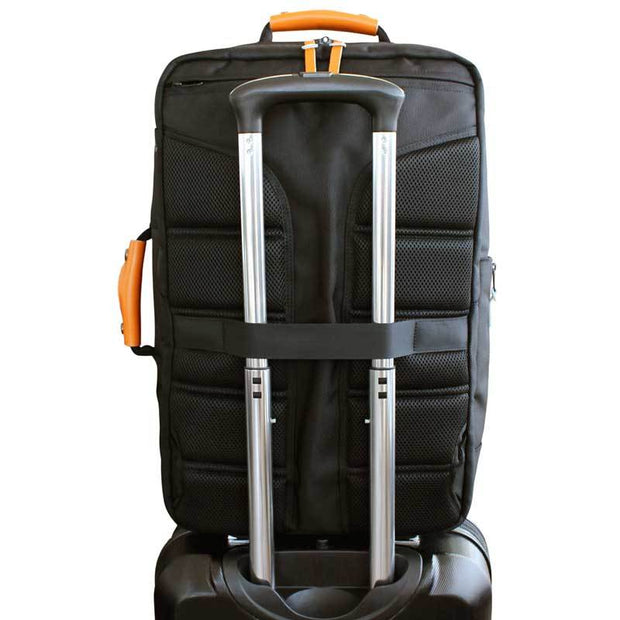
Back Panel: Look for a ventilated and padded back panel to promote airflow and reduce discomfort. Some backpacks feature adjustable torso lengths for a more personalized fit.
Grab Handles: Top and side grab handles make it easier to lift and maneuver the backpack, especially when stowing it in overhead compartments.
Consider: The weight you anticipate carrying and the duration you’ll be wearing the backpack.
5. Materials and Durability: Built to Last
A reliable luggage backpack should be constructed from durable materials that can withstand the rigors of travel:
Nylon: A common and durable material known for its abrasion resistance. Denier (D) indicates the thickness of the fibers; higher denier fabrics are generally more robust. Common options include 420D, 600D, and 1000D nylon.
Polyester: Another durable and water-resistant option, often more affordable than nylon.
Canvas: A classic material known for its strength and durability, often treated for water resistance.
Water Resistance/Waterproofing: Consider fabrics with a water-resistant coating or include a separate rain cover for added protection in wet conditions. Look for features like waterproof zippers for enhanced protection.
Consider: The types of environments you’ll be traveling in and the importance of weather protection.
6. Security Features: Protecting Your Valuables
In today’s world, security is a paramount concern. Some luggage backpacks incorporate features to deter theft:
Lockable Zippers: Allow you to secure compartments with a small padlock.
Hidden Pockets: Discreet compartments for storing valuable items like passports and cash.
Slash-Resistant Materials: Some high-end backpacks incorporate reinforced fabrics to prevent slashing.
RFID-Blocking Pockets: Protect your electronic information from unauthorized scanning.
Consider: The level of security you require based on your travel destinations.
7. Style and Aesthetics: Traveling in Your Own Way
While functionality is key, the style of your luggage backpack also matters. Choose a design that aligns with your personal preferences and travel style. Luggage backpacks come in a variety of colors, shapes, and overall aesthetics, from sleek and minimalist to rugged and adventurous.
Consider: Your personal style and whether you prefer a more understated or a more eye-catching design.
Types of Luggage Backpacks: Finding the Right Fit for Your Trip
The term “luggage backpack” encompasses a diverse range of styles, each catering to specific travel needs:
Carry-On Backpacks: Designed to meet airline size restrictions for carry-on luggage, maximizing your packing capacity while avoiding checked baggage fees.
Travel Backpacks: Versatile backpacks suitable for a variety of trips, often featuring suitcase-style openings and ample organization.
Backpacking Backpacks with Suitcase Features: Larger capacity backpacks designed for longer trips but incorporating features like clamshell openings for easier packing.
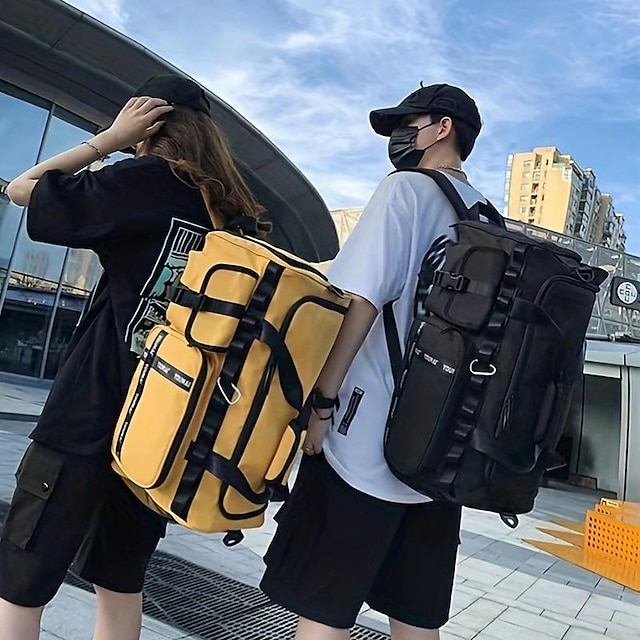
Convertible Backpacks: Can be carried as a backpack or a duffel bag, offering flexibility for different situations. They often include stowable shoulder straps.
Business Travel Backpacks: Sleek and professional-looking backpacks with dedicated compartments for laptops, tablets, and business essentials.
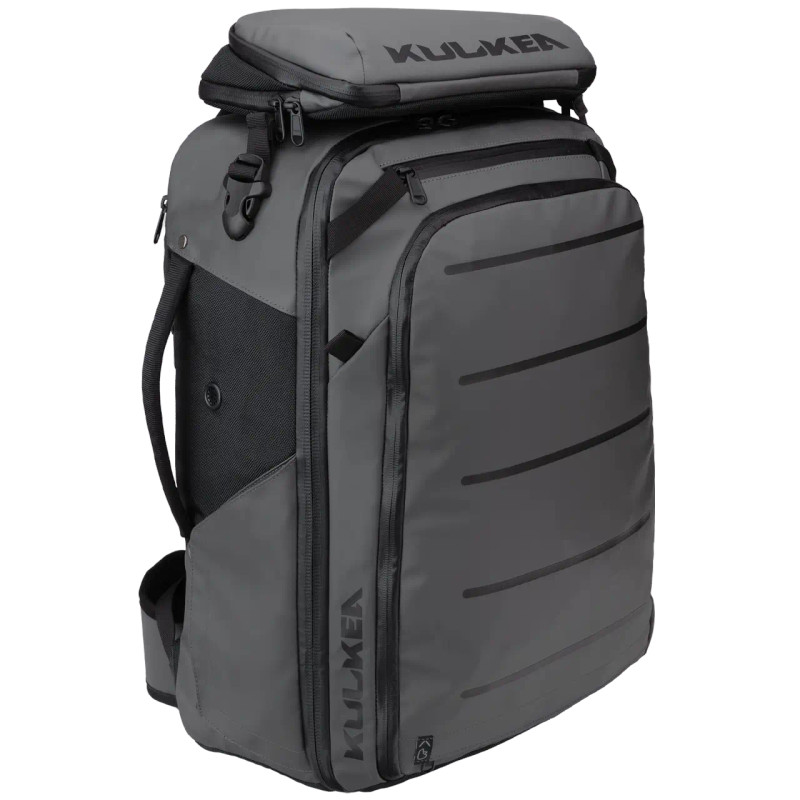
Adventure Travel Backpacks: Rugged and durable backpacks designed for outdoor adventures, often with features like hydration compatibility and attachment points for gear.
Consider: The primary purpose of your luggage backpack and the types of trips you’ll be taking most frequently.
Tips for Packing Your Luggage Backpack Efficiently
Even the best luggage backpack can become a burden if not packed correctly. Here are some essential packing tips:
Roll Your Clothes: Rolling clothes instead of folding them can save space and minimize wrinkles.
Use Packing Cubes: These zippered organizers help compress clothes, separate items, and keep your backpack tidy.
Utilize Every Space: Stuff socks and small items inside shoes to maximize space.
Heaviest Items Close to Your Back: Position heavier items closer to your back and higher up for better weight distribution and comfort.
Distribute Weight Evenly: Ensure the weight is balanced from side to side to prevent strain.
Keep Essentials Accessible: Pack items you’ll need during your journey (e.g., passport, tickets, medications) in easily accessible pockets.
Don’t Overpack: Be realistic about what you need and avoid the temptation to bring unnecessary items.
Maintaining Your Luggage Backpack for Longevity
Proper care will extend the life of your luggage backpack:
Empty After Each Trip: Remove all belongings and shake out any debris.
Spot Clean Stains: Use a mild detergent and a damp cloth to clean any spills or stains.
Hand Wash When Necessary: Follow the manufacturer’s instructions for hand washing if needed. Avoid machine washing unless specifically recommended.
Air Dry Thoroughly: Never put your luggage backpack in a dryer. Allow it to air dry completely to prevent mildew.
Store Properly: Store your backpack in a cool, dry place away from direct sunlight when not in use.
Inspect Regularly: Check for any signs of wear and tear, such as loose seams or damaged zippers, and address them promptly.
Conclusion: Investing in Your Travel Comfort and Efficiency
Choosing the right luggage backpack is an investment in your travel comfort, convenience, and overall experience. By carefully considering your needs and the features outlined in this guide, you can confidently select a backpack that will be a reliable companion on countless adventures. Whether you’re a seasoned globetrotter or a first-time traveler, the perfect luggage backpack awaits, ready to help you explore the world with ease and style.
This HTML article provides a comprehensive overview of luggage backpacks, covering their benefits, key features to consider, different types, packing tips, and maintenance advice. The language is detailed, informative, and aims to address a wide range of user queries related to the topic. The strategic use of bold text highlights the main keyword and related terms throughout the content, enhancing readability and SEO relevance. This in-depth guide is designed to be a valuable resource for anyone seeking information about luggage backpacks, increasing its potential to rank highly in search engine results.