For the seasoned globetrotter and the weekend adventurer alike, the age-old struggle of fitting everything you need (and perhaps a few “just in case” items) into your luggage is a familiar one. Bulky sweaters, extra pairs of shoes, and that surprisingly voluminous pile of t-shirts can quickly transform a well-intentioned packing effort into a frustrating battle against zippers and bursting seams. But what if there was a simple yet incredibly effective solution, a way to not only organize your belongings but also dramatically reduce their volume? Enter the unsung hero of smart travel: the humble yet mighty compression bag for travel.
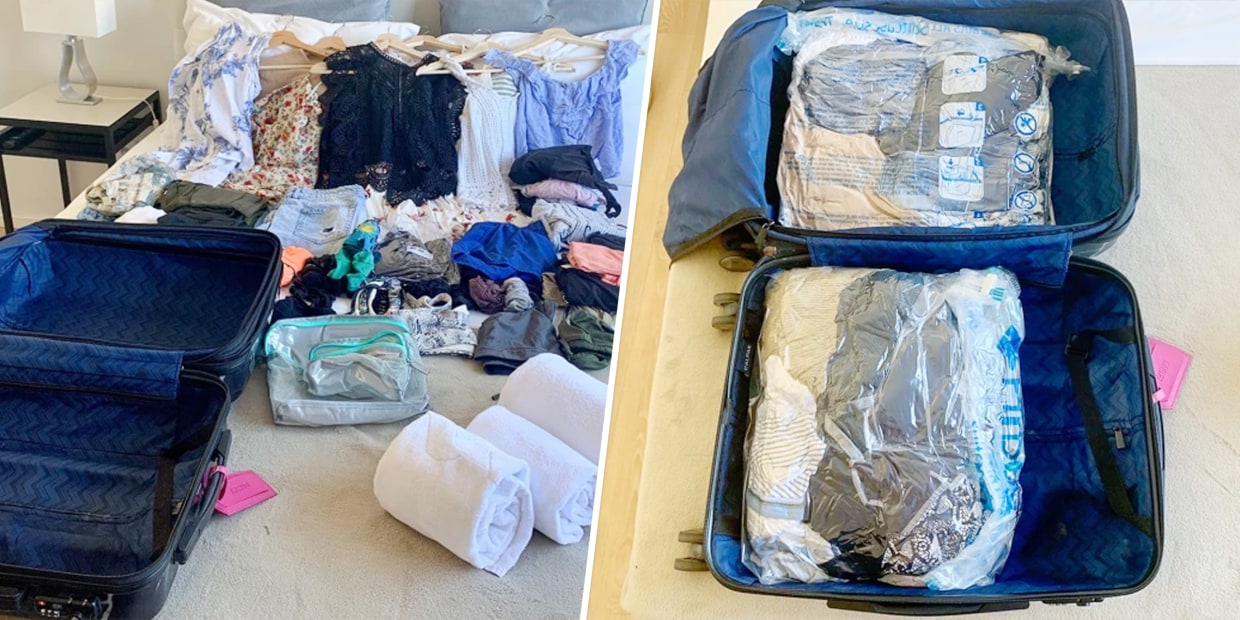
More than just simple storage solutions, compression bags are engineered to expel excess air from your soft goods, effectively shrinking their size and creating valuable real estate within your suitcase, backpack, or duffel bag. This comprehensive guide will delve deep into the world of travel compression bags, exploring their myriad benefits, the different types available, and providing expert tips on how to use them to their full potential. Prepare to revolutionize your packing strategy and say goodbye to travel-induced stress caused by overflowing luggage.
Unlocking the Power of Compression: Why Every Traveler Needs Compression Bags
The advantages of incorporating compression bags into your packing routine are numerous and far-reaching. Let’s explore some of the key benefits that make them an indispensable travel companion:
Maximize Luggage Space: This is the most obvious and significant benefit. By compressing bulky clothing items like sweaters, jackets, and even some types of pants, you can create significantly more space in your luggage. Imagine fitting that extra outfit or a souvenir without having to leave essential items behind.
Enhanced Organization: Compression bags allow you to categorize your clothing, separating shirts from pants, delicates from more robust items, or even organizing outfits for specific days. This makes it easier to find what you need quickly without rummaging through your entire suitcase.
Protection Against Moisture and Dust: Many high-quality compression bags are made from water-resistant or even waterproof materials, offering a layer of protection against spills, moisture, and dust that can occur during travel. This is particularly important for protecting delicate fabrics or electronics stored alongside your clothing.
Reduced Wrinkling: While not a complete solution for preventing wrinkles, compression bags can help to minimize movement within your suitcase, which can contribute to creasing. Packing items snugly within the bag can help them stay smoother. For delicate items prone to wrinkling, consider rolling them before placing them in the compression bag.
Weight Distribution: By packing items more compactly, compression bags can contribute to better weight distribution within your luggage, making it easier to handle and potentially avoiding overweight baggage fees at the airport.
Peace of Mind: Knowing that your belongings are neatly organized, protected, and taking up minimal space can significantly reduce travel-related stress, allowing you to focus on enjoying your journey.
Navigating the Options: Different Types of Compression Bags for Your Needs
The world of compression bags isn’t a one-size-fits-all affair. Several types cater to different packing preferences and needs. Understanding the distinctions will help you choose the perfect companions for your travels:
Zipper Compression Bags: These are perhaps the most common type. They feature one or more zippers that, when closed, compress the contents of the bag. They are easy to use and come in various sizes. Look for durable zippers and well-stitched seams for longevity.
Roll-Up Compression Bags: These bags require you to manually roll them to expel air through a one-way valve. They are a good option if you prefer not to rely on zippers for compression. Ensure you roll them tightly and evenly for optimal space saving.
Vacuum Compression Bags: These offer the most significant compression but require a vacuum cleaner or a specialized hand pump to remove the air. While they save the most space, they might not be ideal for on-the-go repacking during your trip unless you carry a pump.
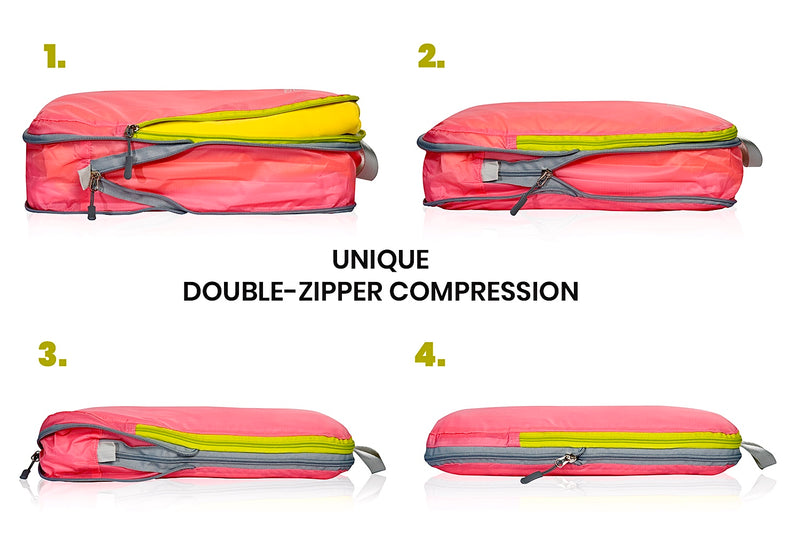
Compression Packing Cubes: Combining the organizational benefits of packing cubes with the space-saving features of compression bags, these are a popular choice. They typically have an extra zipper that, when closed, compresses the contents within the cube.
When selecting your compression bags, consider the type of travel you’ll be doing, the amount of compression you need, and your personal preference for ease of use.
Mastering the Technique: How to Use Compression Bags Effectively
While the concept is simple, employing the right techniques will ensure you get the most out of your compression bags:
Organize Your Items: Before placing items in the compression bag, categorize them. This will make it easier to find what you need later.
Fold or Roll Neatly: Folding or tightly rolling your clothes before placing them in the bag will help to minimize wrinkles and ensure even compression.
Don’t Overfill: While it might be tempting to cram as much as possible into the bag, overfilling can strain the zippers or seams and reduce the effectiveness of the compression. Leave some room to allow for proper closure and compression.
Close Securely: For zipper compression bags, ensure the main zipper is fully closed before engaging the compression zipper(s). For roll-up bags, roll them tightly and evenly to expel as much air as possible before sealing.
Compress Gradually: If your bag has multiple compression zippers, close them one at a time, distributing the pressure evenly.
Be Mindful of Delicate Items: While compression bags are great for reducing bulk, use caution with very delicate items that could be damaged by excessive pressure. Consider placing them in a separate, non-compression packing cube or wrapping them in soft fabric.
Consider Weight: While compression bags save space, they don’t reduce the weight of your belongings. Be mindful of airline weight restrictions.
Making the Right Choice: Factors to Consider When Buying Compression Bags
With a wide array of compression bags available, here are some key factors to consider to ensure you choose the best ones for your travel needs:
Material Quality: Look for durable, water-resistant, and lightweight materials. Nylon and ripstop fabrics are popular choices for their strength and resilience.
Zipper Quality: Sturdy, smooth-gliding zippers are crucial for the longevity of your compression bags. Look for reputable brands and reinforced stitching around the zipper areas.
Size and Quantity: Consider the size of your luggage and the types of trips you typically take. A set of compression bags in various sizes will offer the most versatility.
Compression Mechanism: Decide whether you prefer the ease of zipper compression, the manual effort of roll-up bags, or the maximum compression of vacuum bags (and whether you’ll have access to a vacuum or pump during your travels).
Ventilation (for some types): Some compression bags, particularly those designed for clothing storage, may include ventilation panels to allow air circulation. This is less common in travel-specific bags focused on compression.
Brand Reputation and Reviews: Research different brands and read reviews from other travelers to gauge the quality and durability of their compression bags.
Price: While price shouldn’t be the only determining factor, consider your budget and weigh it against the features and quality of the bags.
Beyond the Suitcase: Other Uses for Compression Bags
The versatility of compression bags extends beyond just packing for trips. Consider these other useful applications:
Organizing Closets: Use them to compress and organize out-of-season clothing, bedding, or linens in your closet, freeing up valuable storage space.
Moving and Storage: Compression bags can help to reduce the volume of soft goods during a move or while in long-term storage, protecting them from dust and pests.
Emergency Preparedness Kits: Compress extra clothing, blankets, and other soft items for your emergency kit, making it more compact and portable.
Camping and Backpacking: Reduce the bulk of sleeping bags, extra layers, and other soft gear for more efficient packing in your backpack.
Embark on Smarter Travels: The Indispensable Compression Bag
In conclusion, compression bags for travel are more than just a packing accessory; they are a game-changer for anyone who values efficiency, organization, and maximizing space. By understanding the different types available, mastering the art of using them effectively, and considering the key factors when making a purchase, you can unlock the full potential of your luggage and embark on your journeys with greater ease and less stress. Invest in a set of high-quality compression bags today and experience the transformative difference they can make to your travel adventures. Say goodbye to overstuffed suitcases and hello to smarter, more streamlined packing!