The Ultimate Guide to Choosing Your Perfect Cabin Luggage Bag
Embarking on a journey should be an exciting prospect, not one fraught with the anxieties of baggage handling and exorbitant checked-bag fees. The key to seamless travel often lies in selecting the right cabin luggage bag. This comprehensive guide will delve into the intricacies of choosing the ideal companion for your adventures, ensuring you navigate airport security with ease and arrive at your destination with everything you need, right by your side.
Understanding Cabin Luggage Regulations
Before even considering styles and features, it’s paramount to understand the size and weight restrictions imposed by different airlines. These regulations can vary significantly, so it’s always prudent to check the specific guidelines of the airline you’ll be flying with. Generally, a typical cabin luggage bag will have maximum dimensions around 55cm x 40cm x 20cm (approximately 22 x 16 x 8 inches), including wheels and handles. However, budget airlines often have stricter rules, sometimes with smaller allowances and weight limits that can be as low as 7kg or 15 lbs. Ignoring these regulations can lead to the inconvenience and added expense of having your bag checked at the gate.
Always check your airline’s specific size and weight restrictions before you travel.
Consider investing in a lightweight cabin luggage bag to maximize your packing capacity within the weight limits.
Pay attention to the overall dimensions, including wheels and handles, as these are often included in the measurements.
Exploring Different Types of Cabin Luggage Bags
The world of cabin luggage offers a diverse array of styles, each catering to different travel needs and preferences. Understanding these types will help you narrow down your choices and select the bag that best suits your individual requirements.
Rolling Suitcases: The Classic Choice
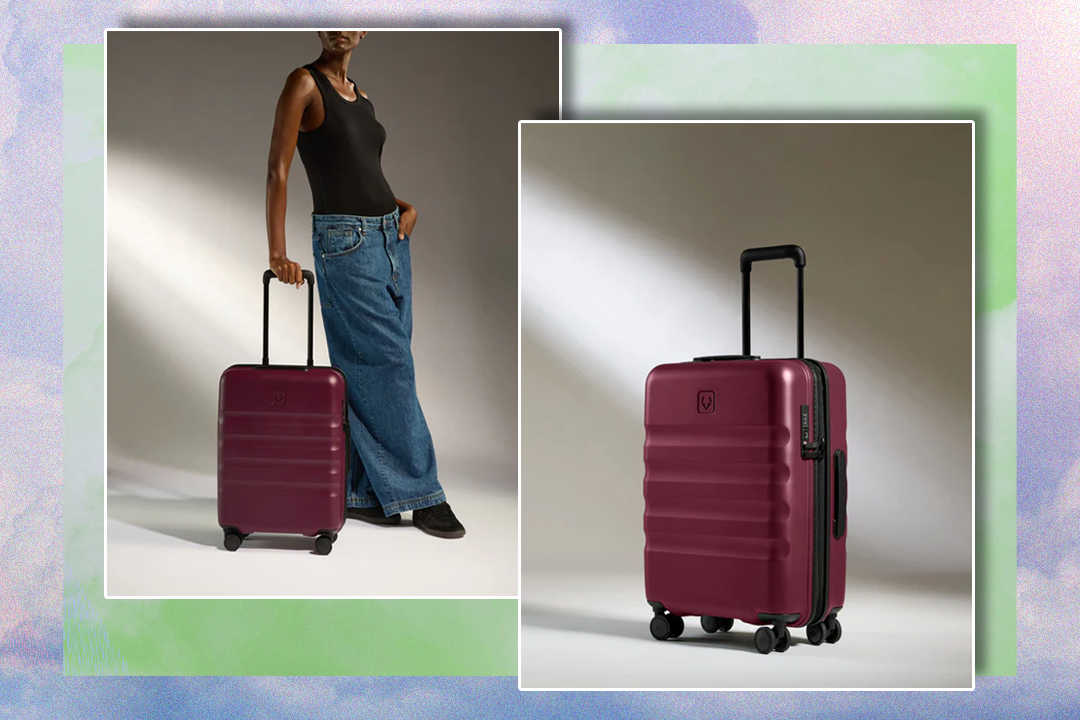
Rolling suitcases, often referred to as trolley bags, are a popular and practical choice for many travelers. They typically feature two or four wheels and a retractable handle, allowing for effortless maneuverability through airports and train stations. Two-wheeled models are generally more durable on uneven surfaces, while four-wheeled spinner bags offer greater agility and can be easily pushed alongside you.
Pros: Easy to maneuver, often offer good internal packing space, durable construction.
Cons: Can be heavier than soft-sided options, wheels can add to the overall dimensions.
Consider this if: You prefer smooth rolling and need a structured bag to protect your belongings.
Soft-Sided Cabin Bags: Flexibility and Lightweight Design
Soft-sided cabin bags are typically made from durable fabrics like nylon or polyester. They often feature external pockets for easy access to essentials and can sometimes be more flexible in terms of fitting into overhead compartments that are slightly smaller. Their lighter weight can also be advantageous when dealing with strict weight restrictions.
Pros: Lightweight, often more affordable, external pockets for organization, can sometimes be squeezed into tighter spaces.
Cons: May offer less protection for fragile items compared to hard-shell cases, can sometimes lose shape when not fully packed.
Consider this if: You prioritize lightweight design and value external storage options.
Hybrid Cabin Luggage: The Best of Both Worlds
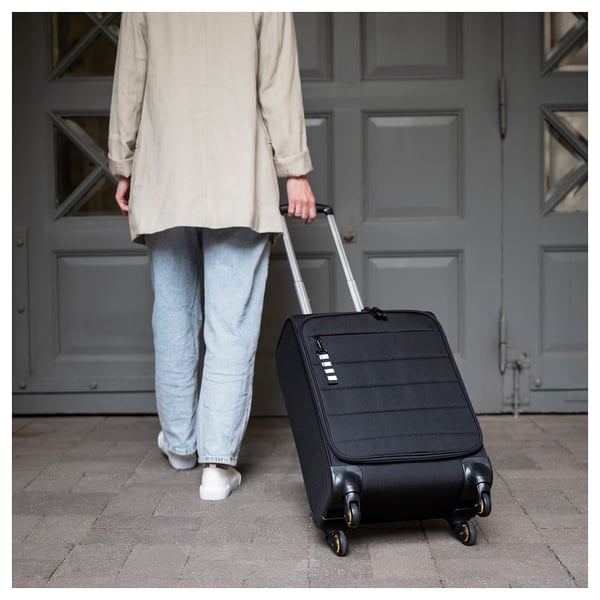
Hybrid cabin luggage combines the features of both hard-sided and soft-sided bags. They might have a hard shell for protection on the back and a soft front panel with pockets for accessibility. This type aims to offer a balance of durability, organization, and flexibility.
Pros: Good balance of protection and flexibility, often includes external pockets.
Cons: Can sometimes be heavier than purely soft-sided options.
Consider this if: You want a mix of durability and organizational features.
Underseat Cabin Bags: Maximizing Your Allowance
For those looking to maximize their carry-on allowance, underseat cabin bags are an excellent option. These smaller bags are designed to fit comfortably under the seat in front of you, allowing you to bring an additional personal item alongside your main cabin luggage. They are perfect for storing laptops, tablets, books, and other essentials you want to keep within easy reach during your flight.
Pros: Fits under the seat, provides extra storage, keeps essentials accessible.
Cons: Limited packing space compared to overhead bin bags.
Consider this if: You want to carry an additional bag with your main cabin luggage or are taking a short trip and don’t need a large suitcase.
Key Features to Consider in a Cabin Luggage Bag
Beyond the basic types, several key features can significantly enhance the functionality and convenience of your cabin luggage bag.
Weight: Opt for the lightest possible bag that meets your needs to maximize your packing allowance.
Size and Dimensions: Ensure the bag adheres to the most common airline restrictions, or ideally, the specific airline you fly with most frequently.
Durability: Look for high-quality materials and sturdy construction, especially if you travel frequently. Consider reinforced corners and durable zippers.
Wheels and Handle: For rolling suitcases, ensure the wheels roll smoothly and the retractable handle is comfortable and sturdy. Spinner wheels (four wheels) offer greater maneuverability.
Internal Organization: Multiple compartments, straps, and pockets can help you pack efficiently and keep your belongings organized.
External Pockets: Quick-access pockets for documents, laptops, or liquids can be incredibly convenient, especially when going through security.
Security Features: Built-in TSA-approved locks can provide added security for your belongings.
Material: Consider water-resistant or waterproof materials to protect your belongings from the elements.
Style and Aesthetics: While functionality is key, choosing a bag that you find visually appealing can also enhance your travel experience.
Smart Features: Some modern cabin luggage bags come equipped with features like USB charging ports, built-in scales, or GPS tracking. Consider if these features align with your needs and budget.
Choosing the Right Cabin Luggage Bag for Your Needs
The “best” cabin luggage bag is subjective and depends entirely on your individual travel style, frequency, and preferences. Consider the following questions to help you make the right choice:
How often do you travel? Frequent travelers may benefit from investing in a more durable and feature-rich bag.
What is your typical trip duration? Shorter trips might only require an underseat bag or a small rolling suitcase.
What kind of items do you usually pack? If you carry fragile items, a hard-shell case might be preferable. If you need to pack bulky items, a soft-sided bag with expandable features could be useful.
What are your airline preferences? If you primarily fly with a specific airline, prioritize their size and weight restrictions.
What is your budget? Cabin luggage bags range in price from budget-friendly options to high-end designer models. Determine how much you are willing to invest.
Do you prioritize maneuverability or maximum packing space? Rolling suitcases excel in maneuverability, while soft-sided bags can sometimes offer more flexible packing options.
By carefully considering these factors, you can confidently select a cabin luggage bag that will be a reliable and efficient travel companion for years to come.
Tips for Packing Your Cabin Luggage Bag Efficiently
Once you’ve chosen the perfect cabin luggage bag, the next step is to master the art of efficient packing to maximize your space and avoid exceeding weight limits.
Roll your clothes: Rolling clothes instead of folding them can save space and minimize wrinkles.
Use packing cubes: These fabric containers help organize your belongings, compress clothing, and make it easier to find what you need.
Utilize every space: Stuff socks and small items inside shoes to save space.
Pack heavier items near the wheels: This helps maintain balance, especially for rolling suitcases.
Keep essentials accessible: Pack items you’ll need during your flight (like medications, electronics, and toiletries) in an easily accessible top pocket or a separate small bag.
Wear your bulkiest items: Wear your heaviest shoes, jackets, or sweaters on the plane to save space in your luggage.
Plan your outfits: Instead of packing individual items, plan your outfits for each day to avoid overpacking.
Invest in travel-sized toiletries: Avoid bringing full-sized toiletries that take up unnecessary space and weight.
Maintaining Your Cabin Luggage Bag
To ensure your cabin luggage bag lasts for many trips to come, proper maintenance is essential.
Clean your bag regularly: Wipe down the exterior with a damp cloth to remove dirt and grime. For tougher stains, follow the manufacturer’s cleaning instructions.
Check wheels and handles: Ensure the wheels are spinning freely and the handle extends and retracts smoothly. Tighten any loose screws.
Inspect zippers: Make sure the zippers are functioning correctly. Lubricate them with a silicone spray if they become stiff.
Store your bag properly: When not in use, store your cabin luggage bag in a clean, dry place, preferably in a dust bag to protect it.
Choosing the right cabin luggage bag is an investment in smoother, more enjoyable travel experiences. By understanding the different types, considering key features, and thinking about your individual needs, you can find the perfect companion to accompany you on your adventures around the globe. Happy travels!