The Definitive Guide to Purse Zippers: Understanding Types, Troubleshooting, and Longevity
The humble purse zipper, often overlooked, plays a pivotal role in the functionality and security of your cherished handbag. More than just a simple fastener, it’s a meticulously engineered component that withstands daily wear and tear, safeguarding your valuables and contributing to the overall aesthetic of your purse. This comprehensive guide delves deep into the world of purse zippers, exploring their diverse types, dissecting common malfunctions, and providing invaluable insights into their care and maintenance, ensuring your favorite bag remains a reliable companion for years to come.
Unraveling the Anatomy of a Purse Zipper
Before we delve into the intricacies of different purse zipper types and troubleshooting techniques, it’s essential to understand the fundamental components that constitute this seemingly simple mechanism. A typical purse zipper comprises several key parts, each contributing to its smooth operation:
Zipper Tape: The fabric strips on either side of the zipper teeth, providing a foundation for the teeth and allowing the zipper to be sewn into the purse. The quality and material of the zipper tape significantly impact the zipper’s durability.
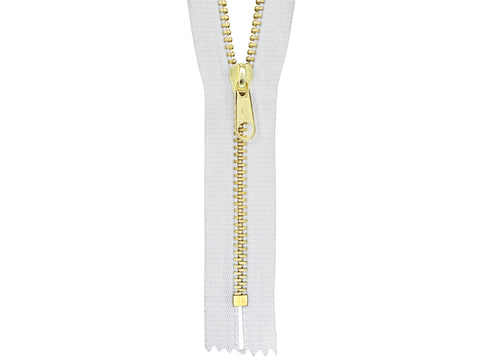
Zipper Teeth (or Elements): These are the interlocking components that, when meshed together, create a continuous closure. They can be made from various materials, including metal (brass, nickel, aluminum), plastic (delrin, nylon), each offering distinct characteristics in terms of strength and flexibility.
Zipper Slider: The crucial component that moves up and down the zipper teeth, engaging or disengaging them. The design and quality of the zipper slider are paramount to smooth zipper operation. A faulty slider is often the culprit behind a malfunctioning zipper.
Top Stops and Bottom Stop: These small metal or plastic pieces are located at the ends of the zipper teeth. The top stops prevent the slider from coming off the top, while the bottom stop prevents the two sides of the zipper from separating completely.
Pull Tab (or Zipper Pull): The part of the slider that you grip to move the slider. Purse zippers often feature aesthetically designed pull tabs that complement the bag’s overall style.
A Comprehensive Look at Different Types of Purse Zippers
The world of purse zippers is more diverse than you might imagine. Different bag designs and functional requirements necessitate various zipper types. Understanding these distinctions can help you appreciate the craftsmanship of your purse and potentially diagnose issues more effectively:
Metal Zippers: The Epitome of Durability
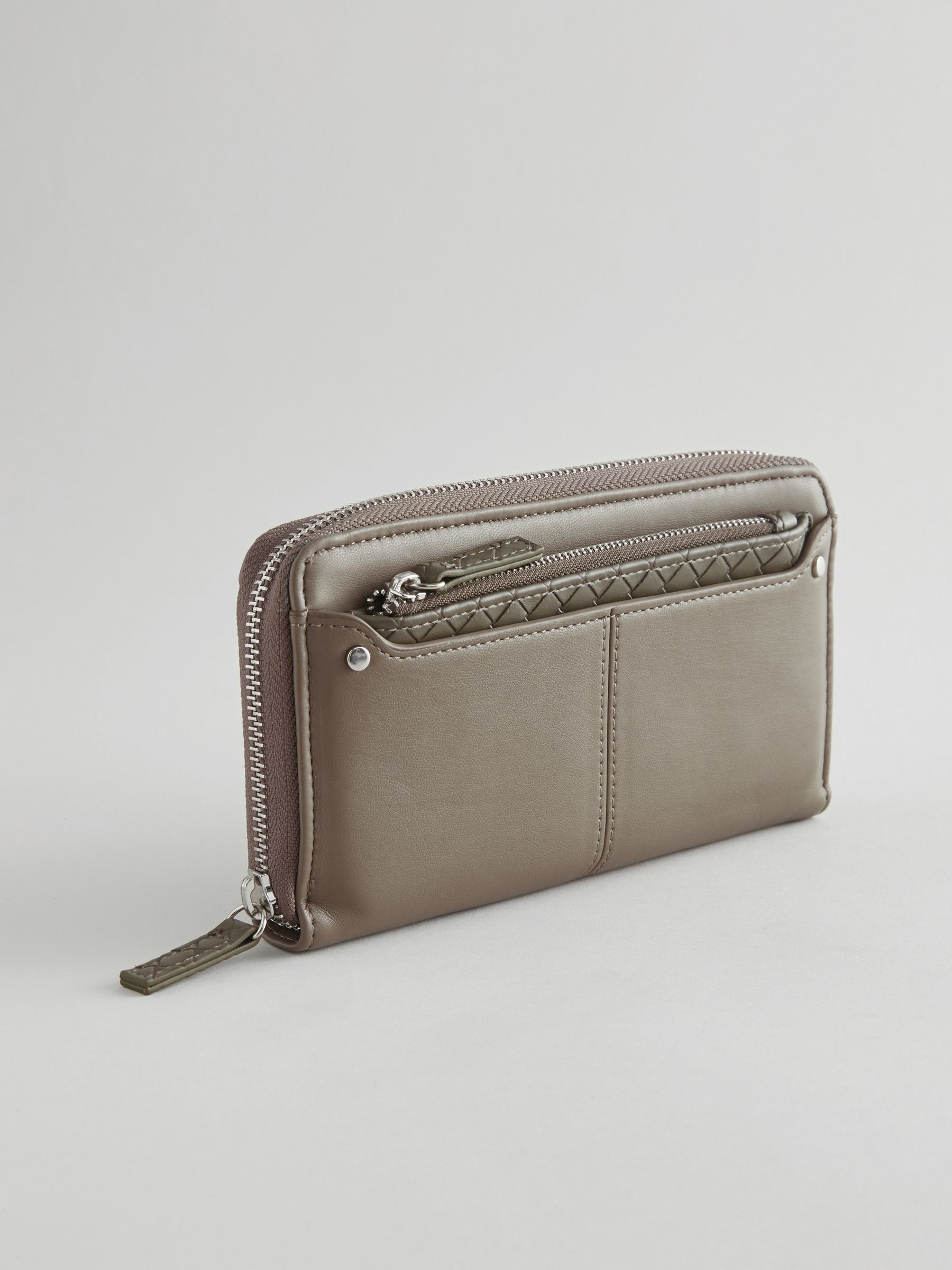
Renowned for their strength and robustness, metal zippers are a common choice for high-end purses and bags that require a secure and durable closure. The individual teeth are typically made from brass, nickel, or aluminum, interlocked tightly to withstand significant stress. Metal zippers often exude a sense of quality and can add a touch of sophistication to a bag’s design. However, they can sometimes be more susceptible to stiffness or catching if not properly maintained.
Coil Zippers (Nylon Coil): The Flexible and Lightweight Option
Coil zippers, characterized by their continuous spiral coils made from nylon or polyester, offer a flexible and lightweight closure solution. They are less prone to damage from bending and generally operate smoothly. Coil zippers are widely used in various types of purses due to their versatility and cost-effectiveness. While generally durable, the coil can sometimes snag on loose threads or debris.
Invisible Zippers: Seamless Integration for a Sleek Aesthetic
As their name suggests, invisible zippers are designed to blend seamlessly into the fabric of the purse. The zipper teeth are concealed on the back of the tape, making the closure virtually invisible from the outside. These zippers are often used in more formal or delicate purse designs where a clean and uninterrupted aesthetic is desired. While visually appealing, they can sometimes be more delicate than other types and may require careful handling.
Plastic Molded Zippers: A Durable and Versatile Choice
Plastic molded zippers feature individually molded plastic teeth that are directly fused onto the zipper tape. This construction makes them strong, lightweight, and resistant to corrosion. They are a versatile option suitable for various purse styles and offer a good balance of durability and smooth operation. They are also available in a wide range of colors and sizes.
Decoding Common Purse Zipper Problems and Effective Solutions
Despite their robust design, purse zippers can occasionally encounter issues. Understanding the common culprits and knowing how to address them can save you the frustration of a stuck or malfunctioning closure and potentially avoid costly repairs:
The Zipper is Stuck: This is perhaps the most common purse zipper ailment. It can be caused by fabric caught in the teeth, debris accumulation, or a misaligned slider. Gently try to wiggle the slider back and forth. Inspect the zipper line for any obstructions. Applying a lubricant like graphite powder, beeswax, or even a bit of lip balm to the teeth can often help to ease the slider’s movement. Avoid forcing the slider, as this can damage the teeth.
The Zipper Won’t Close (Teeth Not Meshing): This issue often arises from a bent or misaligned zipper tooth or a stretched zipper tape near the bottom stop. Carefully examine the teeth for any visible damage. If a tooth is slightly bent, you might be able to gently coax it back into alignment with small pliers, being extremely cautious not to break it. If the tape is stretched, professional repair might be necessary.
The Zipper Keeps Splitting Open After Closing: This usually indicates a loose or damaged zipper slider. The slider is responsible for tightly meshing the teeth together. Over time, the prongs inside the slider can become worn or spread apart, resulting in a weak closure. In many cases, replacing the slider is the most effective solution. This can sometimes be done at home with a zipper repair kit or by a professional.
The Zipper Pull is Broken: While not affecting the zipper’s primary function of opening and closing, a broken pull tab can make it difficult to operate. Fortunately, this is often an easy fix. You can often attach a temporary replacement like a paperclip or a key ring. For a more permanent solution, replacement pull tabs are readily available and can be easily attached.
Expert Tips for Extending the Longevity of Your Purse Zipper
Proactive care and mindful usage can significantly extend the lifespan of your purse zippers, ensuring smooth and reliable operation for years to come:
Keep it Clean: Regularly inspect your purse zippers for any dust, dirt, or debris accumulation. Use a soft brush or a cotton swab to gently clean along the teeth and the tape.
Lubricate Regularly: Applying a zipper lubricant periodically can prevent stiffness and ensure smooth gliding of the slider. Graphite powder or beeswax are excellent choices. Avoid using oil-based lubricants, as they can attract more dirt.
Avoid Overstuffing Your Purse: Overfilling your bag puts excessive stress on the zipper and its surrounding seams, potentially leading to damage or malfunction.
Close Zippers Gently and Straight: Avoid yanking or forcing the zipper. Ensure the teeth are properly aligned before attempting to close it.
Be Mindful of Snags: Be cautious of loose threads or small objects that could get caught in the zipper teeth.
Store Your Purses Properly: When not in use, store your purses in a way that doesn’t put undue stress on the zipper, such as lying them flat or hanging them with sufficient space.
When to Seek Professional Purse Zipper Repair
While many minor purse zipper issues can be resolved at home, certain problems necessitate professional attention. If you encounter any of the following, it’s best to consult a skilled leatherworker or bag repair specialist:
Significant Damage to the Zipper Teeth: Broken or severely bent teeth often require specialized tools and expertise for repair or replacement.
Tears or Damage to the Zipper Tape: Repairing damaged zipper tape requires careful stitching and can be challenging to do correctly at home.
Complex Zipper Replacements: Replacing an entire purse zipper, especially in intricate bag designs, is best left to professionals to ensure a seamless and durable repair.
If You’re Unsure or Don’t Want to Risk Further Damage: If you’re uncomfortable attempting a repair yourself, it’s always wiser to seek professional help.
In conclusion, the purse zipper, though often taken for granted, is an integral component of your handbag’s functionality and longevity. By understanding its anatomy, recognizing different types, knowing how to troubleshoot common issues, and practicing proper care, you can ensure that this essential closure continues to operate smoothly and securely, allowing you to enjoy your favorite purse for years to come. This detailed exploration underscores the importance of this seemingly small detail and empowers you to appreciate and maintain the integrity of your cherished accessories.