Hand Baggage British Airways

Understanding Your British Airways Cabin Baggage Allowance

Embarking on a journey with British Airways? One of the first things on your mind will undoubtedly be your baggage. Understanding the intricacies of their hand baggage policy is crucial for a stress-free travel experience. Unlike some airlines with a more restrictive approach, British Airways generally offers a generous cabin baggage allowance, allowing you to bring more onboard. However, adhering to their specific rules regarding size, weight, and the number of bags is paramount to avoid any last-minute hiccups at the airport.

This comprehensive guide delves deep into everything you need to know about British Airways hand luggage. We’ll explore the exact dimensions and weight restrictions, clarify what constitutes a personal item, provide invaluable packing strategies, and highlight items that are prohibited from being carried in the cabin. Whether you’re a seasoned traveler or a first-time flyer with British Airways, this information will equip you with the knowledge to navigate their hand baggage regulations with confidence.

Decoding the Dimensions and Weight: What Fits in Your BA Hand Luggage?

British Airways typically permits each passenger to bring one cabin bag and one personal item onboard, free of charge. This is a significant advantage compared to airlines that might charge extra for a standard carry-on. However, both your main hand baggage and your personal item must adhere to specific size and weight limitations to ensure they fit comfortably and safely in the overhead compartments or under the seat in front of you.

The Main Cabin Bag: Size and Weight Limits

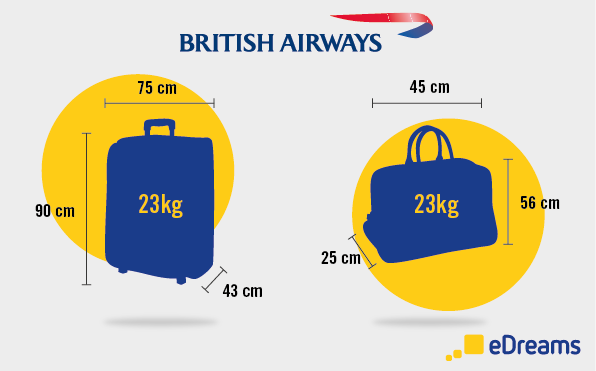
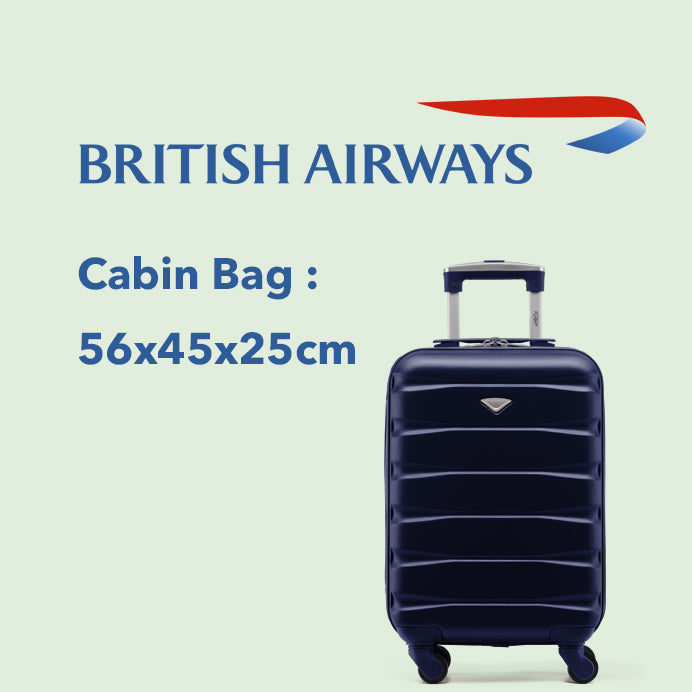
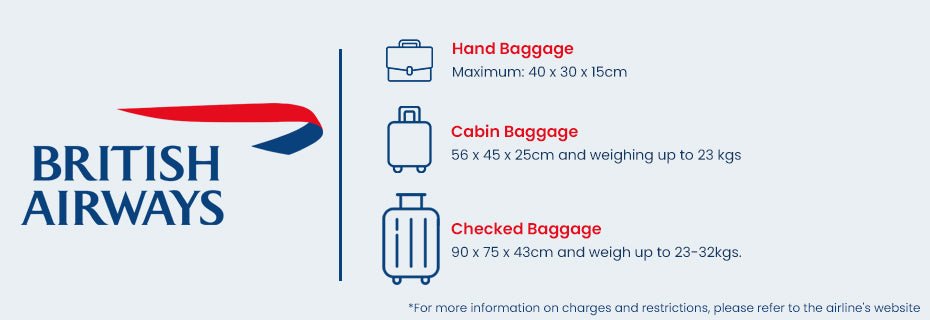
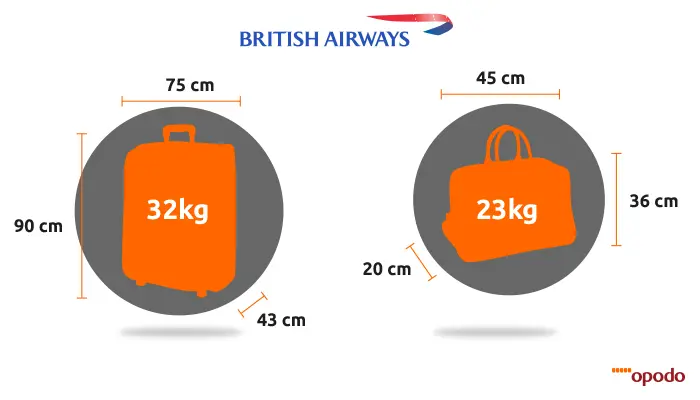
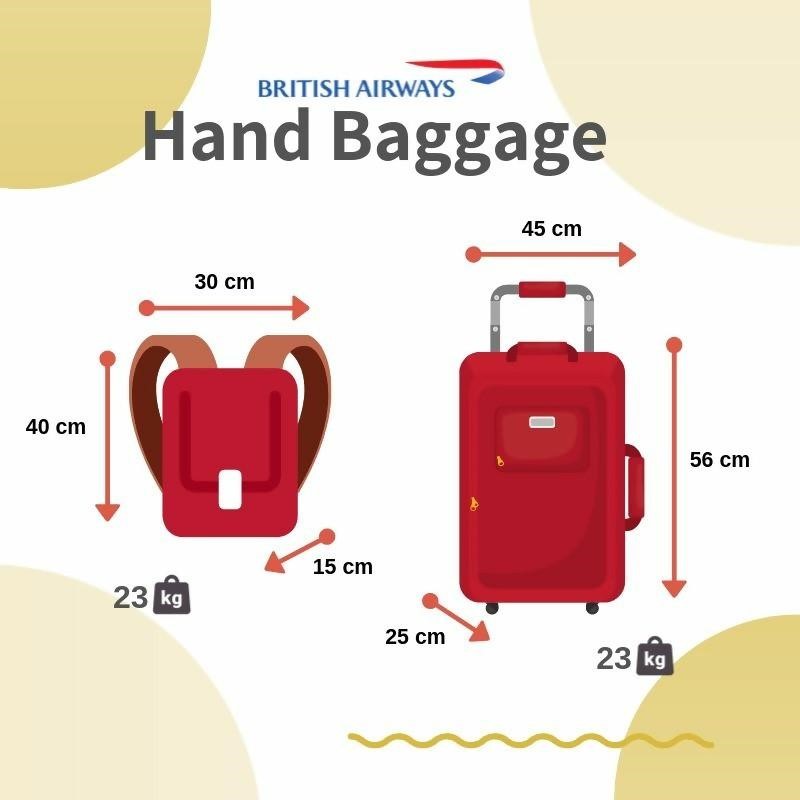
Your main piece of hand luggage with British Airways must not exceed 56cm x 40cm x 23cm (22in x 16in x 9in). This includes handles, pockets, and wheels. It’s essential to measure your bag carefully before arriving at the airport to avoid any surprises at the check-in or boarding gate. Regarding weight, the current British Airways hand baggage weight limit is a generous up to 23kg (51lbs). This substantial allowance allows you to pack more without incurring additional baggage fees, provided your bag meets the size requirements.

Your Personal Item: What Qualifies and What Are the Restrictions?

In addition to your main cabin bag, British Airways allows you to bring one personal item onboard. This could be a handbag, a laptop bag, a small backpack, or a briefcase. The maximum dimensions for your personal item are 40cm x 30cm x 15cm (16in x 12in x 6in). It’s important to note that this item must be able to fit comfortably under the seat in front of you. Ensuring your personal item adheres to these size restrictions will prevent any boarding delays or the need to check it into the hold.

Smart Packing Strategies for Your British Airways Carry-On

Maximizing the space in your British Airways hand luggage while staying within the size and weight limits requires a strategic approach. Here are some expert packing tips to help you make the most of your cabin baggage allowance:

  • Roll Your Clothes: Rolling garments tightly saves significant space compared to folding and helps minimize wrinkles.
  • Utilize Packing Cubes: These handy organizers compress your clothes and keep your luggage tidy, making it easier to find what you need.
  • Wear Your Heaviest Items: If you’re bringing bulky shoes or a heavy coat, wear them during your flight to save space and weight in your bag.
  • Travel-Sized Toiletries: Opt for travel-sized toiletries or decant your favorite products into smaller, reusable containers to comply with liquid restrictions and save space.
  • Hand Baggage British Airways
  • Plan Your Outfits: Instead of packing individual items, plan your outfits for each day to avoid overpacking unnecessary clothing.
  • Utilize Empty Spaces: Stuff socks, underwear, or small items inside shoes to maximize every inch of available space.
  • Weigh Your Bag Beforehand: Invest in a small luggage scale to ensure your hand baggage stays within the British Airways weight limit before you leave for the airport.
  • Navigating Security: Prohibited Items in British Airways Hand Luggage

    Understanding what you can and cannot bring in your British Airways cabin baggage is crucial for a smooth passage through airport security. Regulations are in place to ensure the safety and security of all passengers and crew. Familiarizing yourself with these restrictions will prevent delays and potential confiscation of items.

    Commonly Prohibited Items:

    • Liquids, Aerosols, and Gels (LAGs) in containers larger than 100ml: These must be placed in a transparent, resealable plastic bag with a capacity of no more than one liter.
    • Hand Baggage British Airways
    • Sharp Objects: Items such as knives (including pocket knives), scissors with blades exceeding 6cm, and razor blades (unless in a safety razor with the blade enclosed).
    • Blunt Instruments: Items that could cause injury, such as baseball bats, clubs, and martial arts equipment.
    • Explosive and Flammable Substances: This includes fireworks, flammable liquids, and gas cylinders.
    • Chemical and Toxic Substances: Items such as acids, poisons, and infectious materials.
    • Hand Baggage British Airways

      This is not an exhaustive list, and regulations can vary slightly. It’s always best to check the latest British Airways guidelines and the regulations of the specific airports you will be traveling through for the most up-to-date information. Being prepared and knowing what you can pack in your hand baggage will significantly streamline your airport experience.

      Beyond the Basics: Additional Considerations for British Airways Cabin Baggage

      While the size and weight restrictions are fundamental, there are a few other important considerations regarding your British Airways hand luggage:
        Hand Baggage British Airways
      • Musical Instruments and Sporting Equipment: Smaller musical instruments that fit within the hand baggage dimensions may be allowed. Larger items may need to be checked in or require the purchase of an extra seat. Similarly, most sporting equipment will need to be checked in as hold luggage. It’s advisable to contact British Airways directly if you plan to travel with such items.
      • Medications and Medical Equipment: Essential medications, along with supporting documentation (such as a doctor’s letter), are generally permitted in your hand baggage. It’s always wise to carry these in their original packaging and have any necessary prescriptions readily available. Small medical equipment may also be allowed, but it’s best to inform British Airways in advance.
      • Electronic Devices: Laptops, tablets, mobile phones, and cameras are typically allowed in cabin baggage. However, ensure they are charged as security personnel may ask you to turn them on. There may be restrictions on the carriage of certain types of batteries, so it’s worth checking the latest regulations.
      • Hand Baggage British Airways
      • Infant Items: If you are traveling with an infant, British Airways usually allows you to bring additional items such as a changing bag and essentials for the journey, within reasonable limits.
      • Ensuring a Smooth Journey with Your British Airways Hand Baggage

        By understanding and adhering to British Airways’ hand baggage rules and regulations, you can significantly enhance your travel experience. Paying attention to the size and weight limits, packing strategically, and being aware of prohibited items will help you navigate airport security and boarding efficiently. Remember to always double-check the latest guidelines on the British Airways website before your flight, as policies can sometimes be subject to change. With careful preparation, your cabin baggage will be your trusted companion for a comfortable and hassle-free journey with British Airways.
        Hand Baggage British Airways

        British Airways Carry On Luggage

        Mastering British Airways Carry-On Luggage: Your Comprehensive Guide

        British Airways Carry On Luggage

        Embarking on a journey with British Airways? Understanding their carry-on luggage policy is paramount for a smooth and stress-free travel experience. This in-depth guide will navigate you through the intricacies of their hand luggage allowances, ensuring you arrive at your destination without any unexpected baggage woes. We’ll delve into the specifics of size restrictions, weight limits, and provide invaluable packing tips to maximize your cabin baggage space.

        The Core British Airways Carry-On Allowance: What You Need to Know

        British Airways generously permits each passenger to bring one cabin bag and one personal item on board most flights. This allows you to keep essential belongings close at hand throughout your journey. However, adherence to their stipulated dimensions and weight is crucial.

        Cabin Bag Dimensions and Weight

        Your main cabin bag must not exceed the dimensions of 56cm x 40cm x 23cm (22in x 16in x 9in). This includes handles, pockets, and wheels. British Airways is quite strict about these measurements, and exceeding them could result in your bag being checked into the hold, potentially incurring additional fees and delays.

        Furthermore, the maximum weight for your main carry-on bag is 23kg (51lbs). This is a relatively generous allowance compared to some other airlines, providing you with more flexibility in what you can bring on board. However, it’s essential to weigh your bag before arriving at the airport to avoid any surprises at the gate.

        Personal Item Dimensions and Weight

        In addition to your main cabin bag, you are also allowed one personal item. This could be a handbag, a laptop bag, or a small backpack. The maximum dimensions for your personal item are 40cm x 30cm x 15cm (16in x 12in x 6in). While there isn’t a specific weight restriction explicitly stated for personal items, it should be of a reasonable size and weight that you can comfortably place under the seat in front of you.

        Decoding the Nuances: Class of Travel and Specific Circumstances

        While the standard carry-on luggage allowance applies to most passengers, there can be slight variations depending on your class of travel or specific circumstances.

        Business Class and First Class Passengers

        Passengers traveling in Business Class (Club World/Club Europe) or First Class generally enjoy the same carry-on baggage allowance as those in economy: one cabin bag (up to 23kg and 56cm x 40cm x 23cm) and one personal item (40cm x 30cm x 15cm). However, they may experience more flexibility at the gate depending on the flight and cabin load.

        British Airways Carry On Luggage

        Infants and Children

        Infants (under 2 years old) who do not have their own seat typically have a reduced baggage allowance. However, airlines generally allow a small bag containing essentials for the journey. Children (2 years and older) who have their own seat are usually entitled to the same carry-on baggage allowance as adults.

        Connecting Flights and Different Airlines

        If your journey involves connecting flights, especially with other airlines, it’s crucial to check the carry-on luggage policies of each airline involved. Policies can differ significantly, and you don’t want to be caught out by stricter regulations on a connecting flight.

        Expert Tips for Maximizing Your Carry-On Space and Avoiding Issues

        Traveling light with only carry-on luggage can save you time and money. Here are some expert tips to help you make the most of your allowance:

        British Airways Carry On Luggage

          British Airways Carry On Luggage
        1. Plan Your Outfits: Carefully plan your outfits for your trip and choose versatile pieces that can be mixed and matched.
        2. Roll Your Clothes: Rolling clothes instead of folding them can save significant space and minimize wrinkles.
        3. British Airways Carry On Luggage
        4. Utilize Packing Cubes: Packing cubes help compress your clothes and organize your bag efficiently.
        5. Wear Your Heaviest Items: On the flight, wear your bulkiest shoes, jackets, or sweaters to free up space in your bag.
        6. Invest in Travel-Sized Toiletries: Adhere to liquid restrictions by using travel-sized toiletries (typically under 100ml) and storing them in a clear, resealable bag.
        7. Pack Smart Electronics: Consider whether you truly need to bring all your electronic devices. If not, leave non-essential items at home.
        8. Utilize Your Personal Item Wisely: Your personal item is valuable real estate! Use it for essentials you want easy access to during the flight, such as your laptop, documents, medications, and a book.
        9. Weigh Your Bags Beforehand: Invest in a small luggage scale to ensure your bags are within the weight limits before you leave for the airport.
        10. Be Prepared to Gate-Check: In rare cases, especially on busy flights, you may be asked to gate-check your carry-on bag even if it meets the size and weight requirements. Be prepared for this possibility by ensuring any essential or valuable items are in your personal item.
        11. Forbidden Items in Carry-On Luggage: Ensuring Safety and Compliance

          For safety and security reasons, there are certain items that are prohibited in carry-on luggage. It’s crucial to be aware of these restrictions to avoid delays or confiscation of your belongings. Common forbidden items include:

          • Liquids, aerosols, and gels in containers larger than 100ml (unless purchased duty-free after security).
          • British Airways Carry On Luggage
          • Sharp objects such as knives, scissors (with blades longer than 6cm), and razor blades (unless in a safety razor with the blade fixed).
          • Tools such as screwdrivers, wrenches, and pliers.
          • Sporting goods such as baseball bats, golf clubs, and skateboards.
          • Firearms and explosives.
          • Flammable substances.
          • Always check the latest list of prohibited items on the British Airways website or with airport security before packing.

            Staying Updated: British Airways Baggage Policy Changes

            Airline baggage policies can change, so it’s always a good idea to check the most up-to-date information on the official British Airways website before your flight. This will ensure you have the latest details regarding carry-on size, weight restrictions, and any other relevant regulations. Being informed will contribute significantly to a smoother and more enjoyable travel experience.

            By understanding and adhering to British Airways’ carry-on luggage guidelines, you can navigate the airport with confidence and enjoy a hassle-free journey. Remember to pack smart, weigh your bags, and stay informed about the latest policies. Happy travels!

            Southwest Carryon

            Decoding the Southwest Carry-On Size and Weight Regulations

            Southwest Airlines has specific guidelines regarding the size and weight of your carry-on baggage. Adhering to these regulations is crucial for a smooth boarding process and to avoid any unexpected gate-side checks or fees. Let’s delve into the precise details:

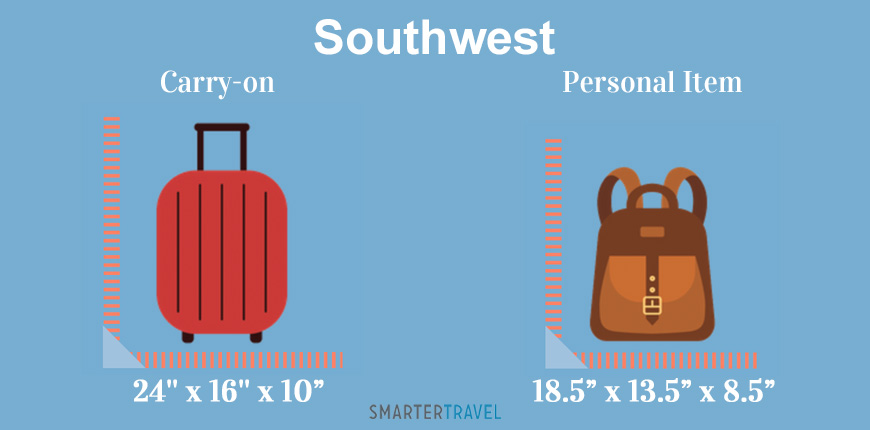
            • Carry-On Item Dimensions: Your main carry-on bag must not exceed 24 x 16 x 10 inches (61 x 40.6 x 25.4 centimeters). This includes wheels and handles, so be sure to measure your bag accurately.
            • Personal Item Dimensions: In addition to your carry-on bag, Southwest allows one personal item, such as a purse, briefcase, laptop bag, or small backpack. The maximum dimensions for a personal item are 18 x 14 x 8 inches (45.7 x 35.6 x 20.3 centimeters).
            • Weight Restrictions: While Southwest doesn’t explicitly state a weight limit for carry-on bags, it’s generally expected that you should be able to lift and stow your bag in the overhead bin without assistance. Airline staff may ask you to demonstrate this. Common sense prevails here – avoid overpacking to ensure ease of handling.
            • Understanding these dimensions is the first step towards efficient packing. Choosing the right size luggage that maximizes the allowed space is paramount for fitting everything you need without resorting to checked baggage.

              Strategic Packing: Maximizing Space and Efficiency in Your Southwest Carry-On

              Southwest Carryon

              The key to successful carry-on travel lies in smart packing. Here are some tried-and-true techniques to help you make the most of your limited space:

              • The Rolling Method: Instead of folding your clothes, try rolling them tightly. This technique saves significant space and can also help minimize wrinkles.
              • Southwest Carryon
              • Packing Cubes: Invest in packing cubes! These zippered fabric containers help compress your clothes, organize your belongings, and make it easier to find what you need without unpacking everything.
              • Utilize Every Nook and Cranny: Stuff socks, underwear, and small items inside shoes and hats to utilize every available inch of space.
              • Travel-Sized Toiletries: Decant your toiletries into travel-sized containers (under 3.4 ounces or 100 milliliters) and store them in a clear, quart-sized zip-top bag for easy security screening. Consider solid toiletries like shampoo bars and solid perfume to save even more space and avoid potential leaks.
              • Wear Your Heaviest Items: On travel day, wear your bulkiest shoes, jackets, and sweaters. This frees up valuable space and weight in your carry-on.
              • Plan Your Outfits: Before you start packing, plan your outfits for your trip. This helps you avoid overpacking unnecessary items and ensures you have versatile pieces that can be mixed and matched.
              • Leave Unnecessary Items Behind: Be honest with yourself about what you truly need. Do you really need three different pairs of heels or that extra book? Cutting down on non-essential items can make a huge difference.
              • Southwest Carryon

                By implementing these strategic packing methods, you’ll be amazed at how much you can fit into your Southwest carry-on, making your journey lighter and more manageable.

                Navigating Southwest’s Carry-On Policies: What You Can and Cannot Bring

                While understanding the size and weight limits is crucial, knowing what items are permitted and prohibited in your carry-on is equally important for a hassle-free airport experience. Here’s a breakdown of common items:

                • Allowed Items (Generally):
                  • Clothing and personal items
                  • Electronics (laptops, tablets, smartphones, cameras)
                  • Medications (both prescription and over-the-counter) – it’s advisable to keep them in their original packaging with a copy of your prescription if applicable.
                  • Small amounts of liquids and gels in containers of 3.4 ounces (100 milliliters) or less, all placed in a single, quart-sized, clear plastic zip-top bag.
                  • Snacks and non-liquid food items
                  • Books and magazines
                  • Small musical instruments (that fit within the size restrictions)
                  • Assistive devices (e.g., wheelchairs, walkers, canes) – these do not count as your carry-on or personal item.
                  • Baby items (e.g., formula, breast milk, diapers) – reasonable quantities are typically allowed.
                  • Prohibited Items (In Carry-On Luggage):
                    • Sharp objects (e.g., knives, scissors with blades longer than 4 inches, box cutters)
                    • Firearms and ammunition
                    • Explosives and flammable materials
                    • Blunt instruments (e.g., baseball bats, golf clubs)
                    • Southwest Carryon
                    • Chemicals and toxic substances
                    • Liquids, gels, and aerosols in containers larger than 3.4 ounces (100 milliliters) that do not fit in the quart-sized bag.
                    • Always check the official Transportation Security Administration (TSA) and Southwest Airlines websites for the most up-to-date list of prohibited items, as regulations can change. Being aware of these rules will help you avoid delays and ensure a smooth passage through security.

                      Beyond the Basics: Expert Tips for Southwest Carry-On Success

                      To truly master the Southwest carry-on game, consider these additional expert tips:

                        Southwest Carryon
                      • Be Prepared for Gate Checks: While Southwest strives to accommodate all carry-on bags in the overhead bins, on particularly full flights, they may ask passengers to gate-check their larger carry-on items for free. Be prepared for this possibility and ensure any essential or fragile items are in your personal item.
                      • Southwest Carryon
                      • Utilize Your Personal Item Wisely: Your personal item can be a valuable asset. Use it to store items you’ll want easy access to during your flight, such as electronics, books, snacks, and medications.
                      • Consider a Travel Pillow with Attachment: A travel pillow with a strap that attaches to your carry-on handle can save space inside your bag.
                      • Digitalize Documents: Keep copies of your boarding pass, ID, hotel reservations, and other important documents on your phone or tablet to reduce paper clutter.
                      • Invest in Quality, Lightweight Luggage: A lightweight carry-on bag will maximize the amount of belongings you can pack without exceeding any perceived weight limits.
                      • Stay Updated on Southwest’s Policies: Airline policies can change, so it’s always a good idea to check Southwest’s official website for the latest information on carry-on baggage before your trip.
                      • By incorporating these expert tips into your travel strategy, you’ll be well-equipped to navigate Southwest’s carry-on policies like a seasoned traveler.

                        Conclusion: Embrace the Freedom of Carry-On Travel with Southwest

                        Traveling with only a carry-on on Southwest Airlines is not just about saving money on checked bag fees; it’s about embracing a more streamlined, efficient, and liberating travel experience. By understanding the size and weight restrictions, mastering strategic packing techniques, and being aware of prohibited items, you can navigate the skies with ease and confidence. So, pack smart, travel light, and enjoy the journey!

                        Airplane Bag

                        The Ultimate Guide to Airplane Bags: Travel Smarter, Not Harder

                        Airplane Bag

                        Embarking on a journey by air should be an exciting prospect, filled with anticipation for new experiences and destinations. However, for many travelers, the process of packing and navigating airline baggage restrictions can often be a source of significant stress. This comprehensive guide is designed to demystify the world of airplane bags, providing you with the knowledge and insights needed to choose the perfect luggage, pack efficiently, and breeze through airport security with confidence. Whether you are a seasoned globetrotter or a first-time flyer, understanding the nuances of carry-on luggage, personal item bags, and checked baggage will revolutionize your travel experience.

                        Decoding the Different Types of Airplane Bags

                        The term “airplane bag” encompasses a wide array of luggage options, each designed for specific purposes and adhering to varying airline regulations. Let’s delve into the primary categories:

                        Airplane Bag

                        • Carry-On Luggage: These are bags that you are permitted to bring into the aircraft cabin with you. Airlines typically have strict size and weight limitations for carry-ons, which can vary. Common types of carry-on bags include:
                          • Rolling Suitcases: These are popular for their ease of maneuverability, featuring wheels and a retractable handle.
                          • Soft-Sided Duffel Bags: Often lighter and more flexible than rolling suitcases, duffel bags can be easier to squeeze into overhead compartments.
                          • Backpacks: Many travelers opt for backpacks as carry-ons, offering hands-free convenience and often fitting comfortably in overhead bins or under seats.
                          • Personal Item Bags: Airlines allow passengers to bring one personal item in addition to their carry-on. These are typically smaller bags that must fit under the seat in front of you. Examples include:
                            • Laptop Bags: Designed to protect laptops and often featuring compartments for accessories.
                            • Handbags: Purses and smaller shoulder bags fall into this category.
                            • Small Backpacks: Smaller than standard carry-on backpacks, these can hold essentials for the journey.
                            • Briefcases: Ideal for business travelers needing to transport documents and electronics.
                            • Checked Baggage: These are larger bags that are checked in at the airport counter and transported in the aircraft’s cargo hold. Checked baggage also has size and weight restrictions, and airlines often charge fees for these bags.
                            • Navigating Airline Baggage Rules: Key Considerations

                              One of the most crucial aspects of choosing the right airplane bag is understanding and adhering to the specific baggage rules of the airline you are flying with. These regulations can vary significantly between carriers, and even based on the fare class you have purchased. Key factors to consider include:

                                Airplane Bag
                              • Size Restrictions: Airlines specify the maximum linear dimensions (length + width + height) for both carry-on and checked bags. Always check your airline’s website for the most up-to-date measurements.
                              • Weight Limits: Carry-on bags often have weight restrictions, typically ranging from 7 to 10 kilograms (approximately 15 to 22 pounds). Checked baggage also has weight limits, and exceeding these can result in hefty overweight fees.
                              • Number of Bags Allowed: Most airlines permit one carry-on bag and one personal item per passenger. Checked baggage allowances vary depending on the airline and fare class.
                              • Restricted Items: Certain items are prohibited in carry-on luggage due to security regulations. These often include liquids exceeding 100ml, sharp objects, and flammable materials. Familiarize yourself with the list of prohibited items to avoid delays at security checkpoints.
                              • Fees: Be aware of potential baggage fees, especially for checked bags. Budget airlines often have stricter and more costly baggage policies. Consider purchasing baggage allowance in advance, as it is usually cheaper than paying at the airport.
                              • Pro Tip: Always check the specific baggage allowance for your flight on the airline’s official website or app close to your departure date, as policies can change.

                                Choosing the Perfect Airplane Bag: Factors to Consider

                                Selecting the ideal airplane bag depends on several factors related to your trip and personal preferences:

                                  Airplane Bag
                                • Trip Duration: For short trips, a carry-on bag and a personal item might suffice, allowing you to save time and avoid baggage claim. Longer trips may necessitate checked baggage.
                                • Travel Style: If you prefer to move quickly and efficiently through airports, a lightweight carry-on and a comfortable personal item are ideal. If you need to bring more items or bulky gear, checked baggage is the way to go.
                                • Airline Restrictions: As discussed earlier, the specific rules of your chosen airline are paramount. Ensure your bag meets their size and weight requirements.
                                • Durability and Quality: Invest in a well-made travel bag that can withstand the rigors of travel. Look for sturdy materials, strong zippers, and reinforced stress points.
                                • Features and Functionality: Consider features such as multiple compartments for organization, padded laptop sleeves, water resistance, and comfortable straps or handles. For rolling suitcases, check the quality of the wheels and the extendable handle.
                                • Budget: Airplane bags come in a wide range of price points. Determine your budget and research options that offer the best value for your money.
                                • Mastering the Art of Packing Your Airplane Bag

                                  Choosing the right airplane bag is only half the battle; packing it efficiently is equally crucial. Here are some essential packing tips:

                                  • Plan Ahead: Make a packing list to ensure you don’t forget any essentials and to avoid overpacking.
                                  • Roll Your Clothes: Rolling clothes instead of folding them can save space and minimize wrinkles.
                                  • Use Packing Cubes: These zippered pouches help organize your belongings, compress clothing, and make it easier to find items.
                                  • Maximize Space: Utilize every nook and cranny. Stuff socks and small items inside shoes, and use empty spaces within other items.
                                  • Wear Your Heaviest Items: Wear your bulkiest shoes and outerwear on the plane to save space and weight in your bag.
                                  • Toiletries Travel Smart: Follow the 3-1-1 rule for liquids in your carry-on: 3.4-ounce (100 milliliters) or less per container; no more than 1 quart total in a clear, plastic, zip-top bag; one bag per passenger.
                                  • Keep Essentials Accessible: Pack important documents, medications, electronics, and a change of clothes in your personal item in case of unexpected delays or baggage issues.
                                  • Security Considerations for Your Airplane Bag

                                    Airplane Bag

                                    Navigating airport security smoothly is an integral part of air travel. Be mindful of the following when preparing your airplane bag:

                                    • Easy Access to Liquids: Ensure your clear plastic bag containing liquids is easily accessible for inspection.
                                    • Remove Electronics: Be prepared to remove laptops and other large electronic devices from your carry-on bag for screening.
                                    • No Prohibited Items: Double-check your bag to ensure you are not carrying any prohibited items.
                                    • Cooperate with Security Personnel: Follow the instructions of security officers and be patient during the screening process.
                                    • The Future of Airplane Bags: Innovation and Trends

                                      The world of travel bags is constantly evolving, with new innovations emerging to enhance convenience and functionality. Keep an eye out for trends such as:

                                      • Smart Luggage: Bags equipped with features like GPS tracking, built-in scales, and USB charging ports.
                                      • Sustainable Materials: An increasing focus on eco-friendly materials and manufacturing processes.
                                      • Modular Designs: Bags with detachable compartments and customizable configurations.
                                      • Ultra-Lightweight Construction: Bags designed to maximize packing capacity while minimizing weight.
                                      • Airplane Bag

                                        By understanding the different types of airplane bags, navigating airline regulations effectively, and mastering the art of packing, you can transform your travel experience from stressful to seamless. Choose your travel bag wisely, pack efficiently, and focus on the exciting journey ahead. Happy travels!

                                        Ryanair Cabin Luggage

                                        Mastering Ryanair’s Cabin Luggage: Your Ultimate Guide for Savvy Travelers

                                        Embarking on a journey with Ryanair often means embracing budget-friendly travel, and a crucial aspect of this is understanding their cabin luggage policy. Navigating the intricacies of size and weight restrictions can seem daunting, but with our comprehensive guide, you’ll be well-equipped to breeze through the airport and onto your flight without any unexpected hiccups or fees. We delve deep into the current regulations, offering invaluable tips and tricks to maximize your allowance and ensure a smooth travel experience. Forget the stress of last-minute repacking at the gate; we’ve got you covered.

                                        Understanding the Core Ryanair Cabin Luggage Allowance

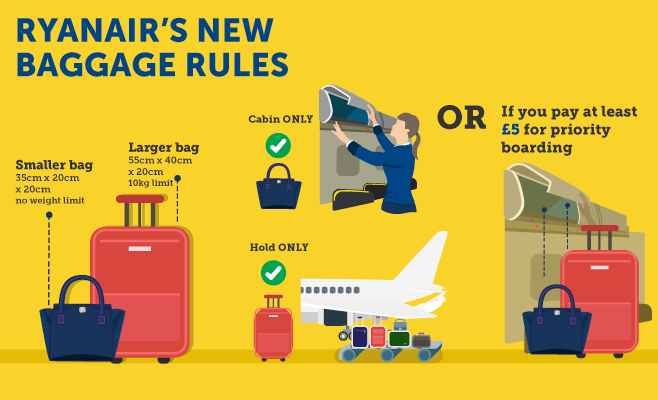
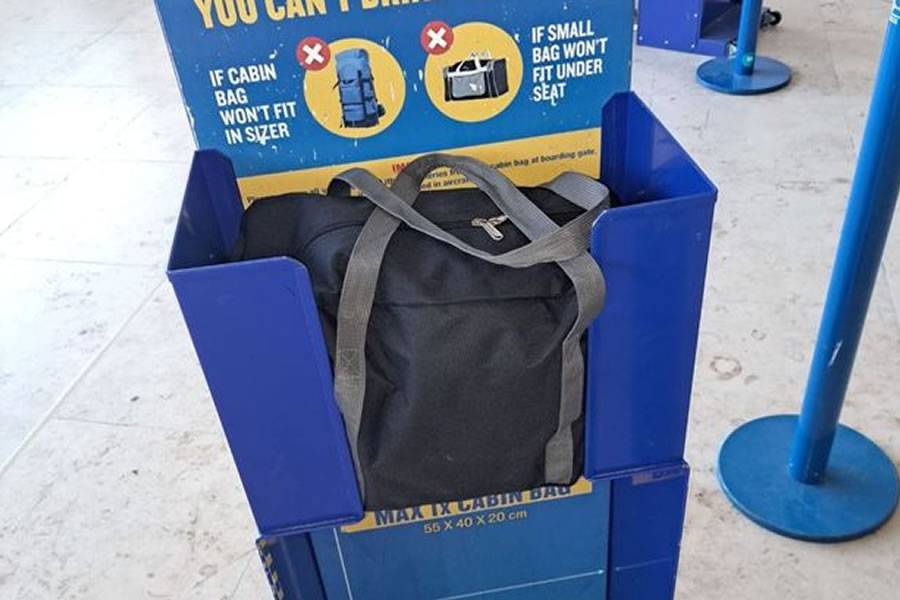
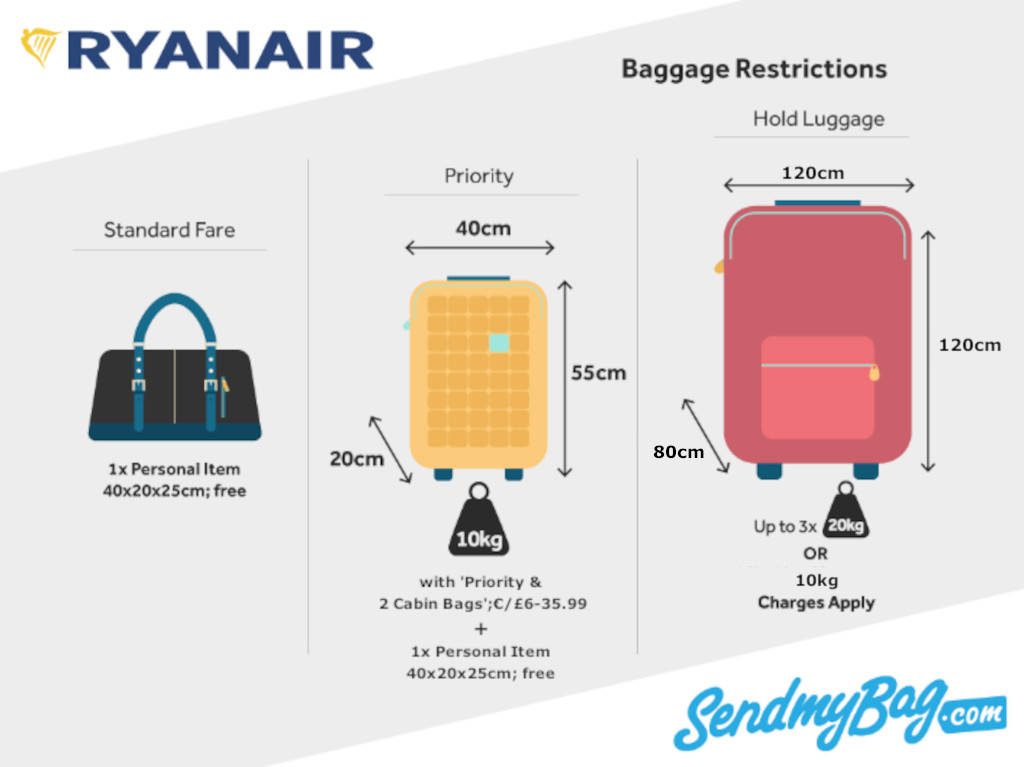
                                        Ryanair’s standard fare typically includes one small personal bag, which must fit under the seat in front of you. Currently, the maximum dimensions for this small personal bag are 40x20x25cm. It’s absolutely vital to adhere to these measurements, as Ryanair rigorously checks baggage sizes at the gate. Exceeding these limits can result in significant fees for gate checking your bag. Think of this allowance as your essential carry-on for valuables, electronics, and items you need quick access to during your flight.

                                        Ryanair Cabin Luggage

                                        For those needing more space, Ryanair offers the option to purchase priority boarding or check in a 10kg cabin bag. Priority boarding allows you to bring both the small personal bag and a larger 10kg cabin bag onboard. The maximum dimensions for the 10kg cabin bag are 55x40x20cm. This additional allowance provides significantly more packing capacity, making it ideal for shorter trips or those who prefer to keep their luggage with them.

                                        It’s crucial to remember that these regulations are subject to change, so always verify the latest information on the official Ryanair website before your travel date. Being proactive and informed is the key to avoiding any unwanted surprises at the airport.

                                        Maximizing Your Small Personal Bag Space: Expert Packing Strategies

                                        Ryanair Cabin Luggage

                                        The 40x20x25cm limit might seem restrictive, but with clever packing techniques, you can be surprised by how much you can fit. Here are some expert strategies to make the most of your small personal bag:

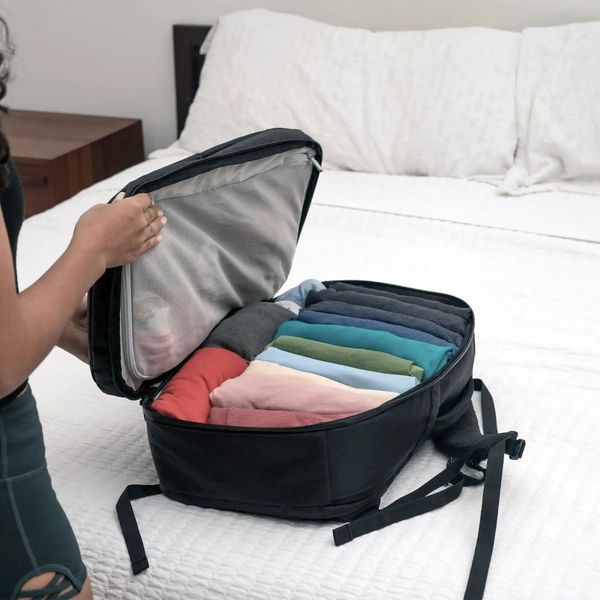
                                        • Roll your clothes: This method saves space and minimizes wrinkles compared to folding.
                                        • Use packing cubes: These help compress your belongings and keep everything organized, making it easier to find what you need without unpacking everything.
                                        • Wear your bulkiest items: On travel days, opt for wearing your heaviest shoes, jackets, and sweaters to free up space in your bag.
                                        • Utilize every nook and cranny: Stuff socks and small items inside shoes or hats to maximize space efficiency.
                                        • Travel-sized toiletries: Invest in travel-sized versions of your essential toiletries or decant them into smaller, reusable containers.
                                        • Consider solid toiletries: Shampoo bars, solid conditioner, and solid sunscreen take up less space and eliminate the risk of leaks.
                                        • Pack versatile clothing items: Choose clothing that can be mixed and matched to create multiple outfits, reducing the overall number of items you need to pack.
                                        • Optimizing Your 10kg Cabin Bag: Packing for Longer Trips

                                          If you’ve opted for the 10kg cabin bag, you have significantly more flexibility. However, efficient packing is still essential to stay within the 55x40x20cm dimensions and the 10kg weight limit. Here are some tips for packing your larger cabin bag effectively:

                                          • Weigh your bag before you leave for the airport: Invest in a small luggage scale to ensure you’re within the 10kg limit and avoid overweight charges.
                                          • Distribute weight evenly: Place heavier items near the wheels of your bag (if it has wheels) for better balance and easier maneuverability.
                                          • Ryanair Cabin Luggage
                                          • Plan your outfits: Create a rough itinerary of what you’ll wear each day to avoid overpacking unnecessary items.
                                          • Consider a lightweight suitcase or backpack: The weight of your empty bag contributes to the overall limit, so choose a lightweight option to maximize your packing capacity.
                                          • Leave unnecessary items at home: Be honest with yourself about what you truly need for your trip. Less is often more when it comes to packing.
                                          • Utilize the space efficiently: Employ the same rolling and packing cube techniques you would for your small personal bag.
                                          • Navigating Ryanair’s Baggage Checks at the Airport

                                            Ryanair is known for its strict enforcement of its cabin luggage policy. Be prepared for your bags to be checked for both size and weight at various points, including check-in and the boarding gate. Investing in a cabin-sized suitcase or backpack that adheres precisely to the 55x40x20cm dimensions is a wise investment for frequent Ryanair travelers. Soft-sided bags offer a little more flexibility, but it’s still crucial to avoid overstuffing them.

                                            If your bag is deemed too large or overweight at the gate, you will likely be required to check it into the hold and pay a substantial fee. These gate baggage fees are typically significantly higher than the fees for checking in a bag in advance. Therefore, meticulous preparation and adherence to the rules are paramount to avoiding these unexpected costs.

                                            Essential Items to Keep in Your Small Personal Bag

                                            Regardless of whether you have priority boarding, your small personal bag should contain essential items that you might need during the flight or immediately upon arrival. These include:

                                            • Travel documents: Passport, boarding pass, visas, and any other necessary identification.
                                            • Ryanair Cabin Luggage
                                            • Medications: Any prescription or over-the-counter medications you need, preferably in their original packaging with a copy of your prescription.
                                            • Valuables: Electronics (phone, laptop, camera), jewelry, cash, and credit cards.
                                            • Entertainment: Books, e-readers, headphones, and any other items to keep you entertained during the flight.
                                            • Snacks and drinks: While Ryanair offers in-flight refreshments for purchase, you may want to bring your own snacks and an empty water bottle to fill after security.
                                            • Essential toiletries: Travel-sized toothbrush, toothpaste, hand sanitizer, and any other immediate hygiene needs.
                                            • Ryanair Cabin Luggage
                                            • A change of clothes (optional): In case of unexpected delays or lost checked luggage (if applicable).
                                            • Staying Updated on Ryanair’s Cabin Luggage Rules

                                              Airline baggage policies can change, so it’s crucial to stay informed about the latest regulations. Always refer to the official Ryanair website for the most up-to-date information regarding cabin luggage size, weight limits, and any associated fees. Check the baggage allowance specified on your booking confirmation as well, as rules can sometimes vary depending on the fare type purchased. By staying informed, you can ensure a stress-free and cost-effective journey with Ryanair.

                                              By understanding and diligently following Ryanair’s cabin luggage rules, and by employing smart packing strategies, you can navigate your travels with ease and avoid any unnecessary expenses. Remember, preparation is key to a smooth and enjoyable journey. Happy travels!

                                              Ryanair Cabin Luggage

                                              Best Carry On Backpack For International Travel

                                              Why Choose a Dedicated Carry On Backpack for Your Global Adventures?

                                              While a standard backpack might suffice for a weekend getaway, international travel presents unique challenges. A well-designed carry on backpack offers a multitude of advantages that will significantly enhance your journey:

                                              • Avoid Baggage Fees: Airlines are increasingly strict about checked baggage sizes and weights. A carry on backpack that adheres to most airline regulations allows you to bypass these extra costs, saving you significant money on longer trips.
                                              • Best Carry On Backpack For International Travel
                                              • Save Time and Hassle: Skip the long queues at baggage claim and the potential for lost or delayed luggage. With your essentials always by your side, you can move swiftly through airports and start your adventure sooner.
                                              • Best Carry On Backpack For International Travel
                                              • Enhanced Security: Keeping your valuables and important documents with you at all times reduces the risk of theft or loss.
                                              • Increased Mobility: Navigate crowded streets, public transport, and uneven terrain with greater ease. A comfortable and well-balanced carry on backpack won’t weigh you down.
                                              • Promotes Efficient Packing: The size constraints of a carry on backpack encourage you to be more mindful of what you pack, leading to a lighter and more manageable load.
                                              • Decoding the Essentials: Key Features to Look for in the Best Travel Backpacks

                                                Choosing the ideal carry on backpack involves considering several crucial features. Here’s a breakdown of what truly matters:

                                                • Optimal Size and Capacity: Aim for a backpack that maximizes the allowable carry on dimensions of most major airlines (typically around 22 x 14 x 9 inches or 55 x 35 x 23 cm). The capacity, usually measured in liters, should ideally be between 30 and 45 liters to provide ample space without being too bulky.
                                                • Durable and Water-Resistant Materials: Your backpack will face various conditions during your travels. Look for high-quality, tear-resistant fabrics like nylon or Cordura, and consider water-resistant coatings or included rain covers to protect your belongings from unexpected downpours.
                                                • Comfortable and Adjustable Harness System: This is paramount for comfortable carrying, especially during long walks or transits. Features to look for include padded shoulder straps, a sternum strap to distribute weight, a supportive hip belt to transfer the load to your hips, and a ventilated back panel to minimize sweating. Ensure the torso length is adjustable for a personalized fit.
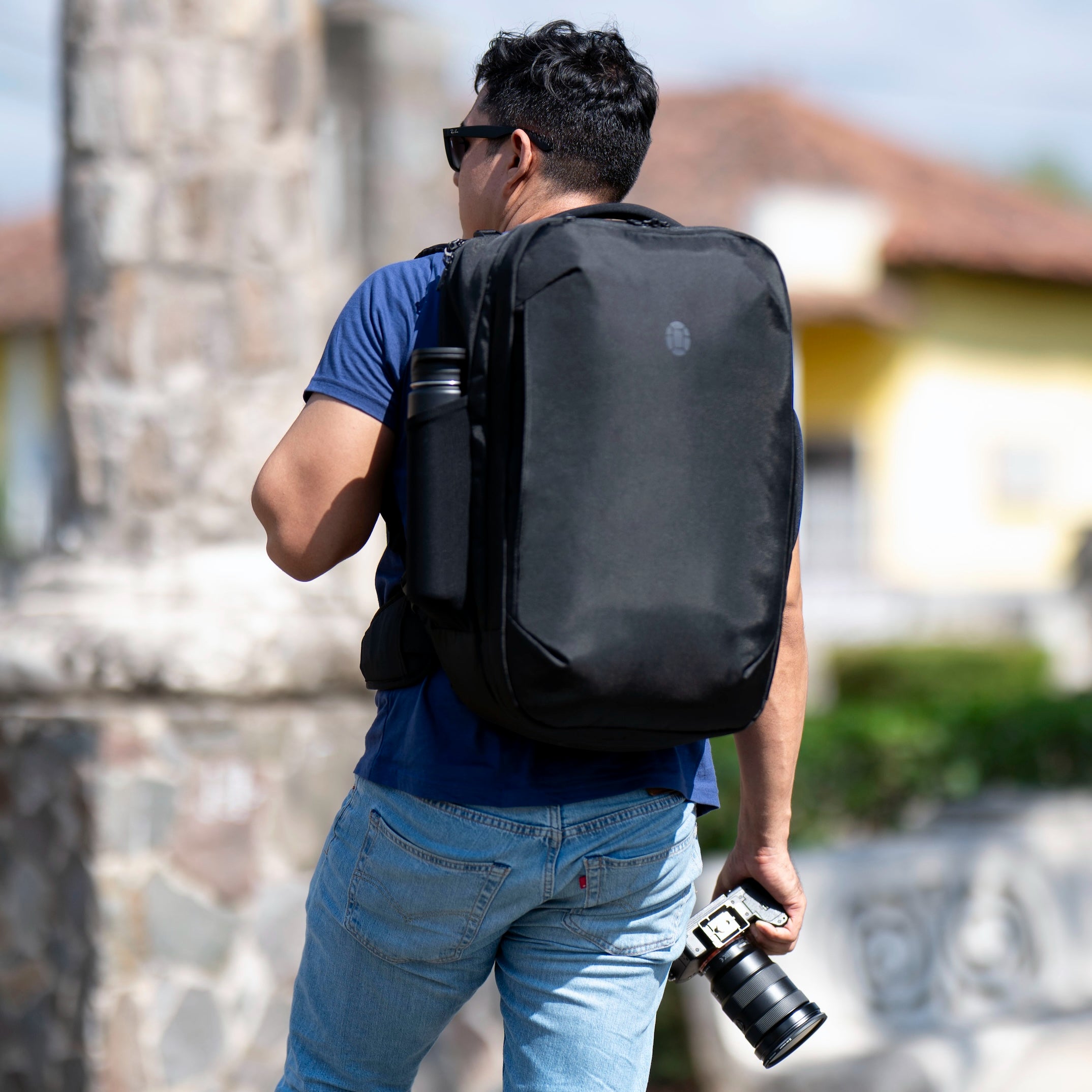
                                                • Smart Organization and Accessibility: Multiple compartments, pockets (both internal and external), and compression straps are essential for keeping your belongings organized and easily accessible. Consider backpacks with a clamshell opening for easy packing and unpacking, a dedicated laptop sleeve for secure storage, and quick-access pockets for essentials like water bottles and travel documents.
                                                • Security Features: Integrated lock loops, hidden pockets, and tamper-proof zippers can provide an extra layer of security against theft, especially in crowded areas.
                                                • Durability and Construction: Pay attention to the quality of zippers (YKK zippers are often a good indicator of durability), stitching, and overall construction. A well-built backpack will withstand the rigors of international travel for years to come.
                                                • Weight: While durability is important, a lighter backpack will be less tiring to carry. Strike a balance between robust construction and a manageable weight.
                                                • Style and Aesthetics: While functionality is key, you’ll also want a backpack that suits your personal style. Many excellent travel backpacks come in a variety of designs and colors.
                                                • Navigating the Market: Exploring Different Types of Carry On Backpacks

                                                  The market for carry on backpacks is vast, with various styles catering to different travel needs and preferences:

                                                  • Traditional Backpacks with Travel Features: These resemble standard hiking backpacks but incorporate travel-specific features like clamshell openings, internal organization, and stowable straps. They often offer excellent comfort and durability.
                                                  • Convertible Backpacks/Duffels: These versatile bags can be carried as a backpack or as a duffel bag using a shoulder strap. They often have stowable backpack straps and offer a more streamlined appearance.
                                                  • Laptop Backpacks with Ample Storage: Designed with digital nomads in mind, these backpacks prioritize laptop protection and offer significant storage space for electronics and other essentials.
                                                  • Best Carry On Backpack For International Travel
                                                  • Lightweight Travel Backpacks: Focusing on minimizing weight, these backpacks are ideal for travelers who prioritize agility and want to pack as light as possible. They might have fewer features to reduce bulk.
                                                  • Adventure/Hiking Hybrid Backpacks: These rugged backpacks are built for both urban exploration and outdoor adventures, often featuring durable materials, comfortable harnesses, and hydration bladder compatibility.
                                                  • Making the Right Choice: Factors to Consider Before You Buy Your International Travel Backpack

                                                    To pinpoint the best carry on backpack for *your* specific needs, consider the following:

                                                    Best Carry On Backpack For International Travel

                                                    • Your Trip Duration and Style: A shorter trip might require a smaller capacity backpack, while longer journeys will necessitate more space. Consider the type of travel – backpacking through multiple countries, a city break, or a business trip – as this will influence the features you need.
                                                    • Airline Compatibility: Always check the specific carry on size and weight restrictions of the airlines you will be flying with. While there are general guidelines, these can vary.
                                                    • Your Packing Habits: Are you an over-packer or a minimalist? This will significantly impact the ideal capacity of your backpack.
                                                    • Your Physical Condition: Consider your strength and any physical limitations when choosing the size and weight of your backpack, especially if you anticipate a lot of walking.
                                                    • Your Budget: Carry on backpacks range in price from budget-friendly options to high-end models with premium materials and features. Determine your budget and research options within that range.
                                                    • Reviews and Recommendations: Read reviews from other travelers to get insights into the real-world performance and durability of different backpacks.
                                                    • Best Carry On Backpack For International Travel

                                                      Investing in Your Journey: The Long-Term Value of a Quality Carry On Backpack

                                                      While the initial cost of a high-quality carry on backpack might seem significant, it’s an investment that will pay off in the long run. A durable and well-designed backpack will withstand numerous trips, providing you with comfort, convenience, and peace of mind for years to come. Think of it as an essential piece of travel gear that will enhance countless adventures.