The Evolution of the Wallet: From Ancient Pouches to Modern Essentials
The concept of carrying personal belongings securely dates back centuries. Ancient civilizations utilized pouches and rudimentary containers to hold valuables. The modern wallet, as we know it, began to take shape with the advent of paper currency. Initially designed primarily for banknotes, wallets have evolved significantly to accommodate the ever-increasing array of cards, identification, and other essentials we carry daily.
From simple leather folds to intricately designed organizers, the history of the wallet reflects societal changes and technological advancements. The introduction of credit and debit cards necessitated new designs with multiple compartments, while concerns about digital theft have led to the development of RFID-blocking technology. Understanding this evolution provides context for the diverse range of wallets available today.
Navigating the Different Types of Wallets: A Style for Every Need
The market offers a vast array of wallet styles, each with its unique advantages and appeal. Understanding these different types is the first step in finding your ideal match:
Bi-fold Wallets: The classic and arguably most popular style, the bi-fold wallet folds in half, offering multiple card slots, a bill compartment, and often additional pockets for photos or receipts. Their familiar design and ample storage make them a versatile choice for many.
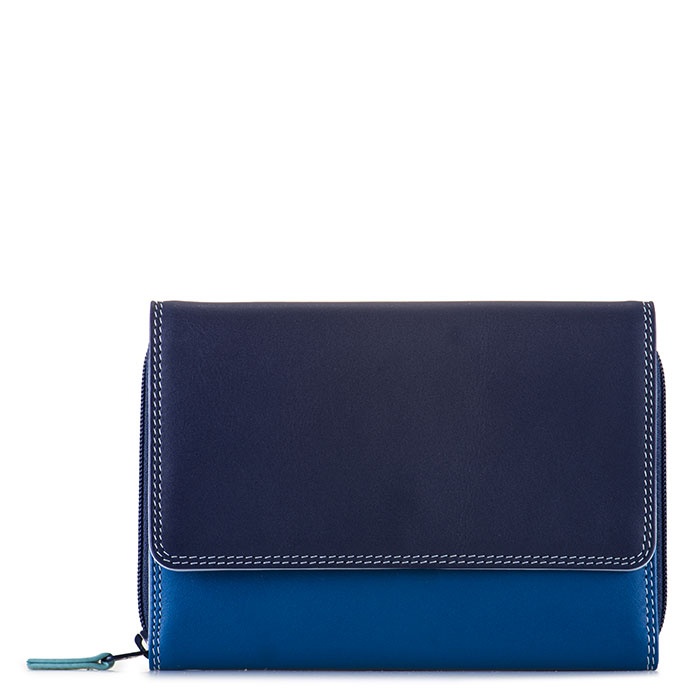
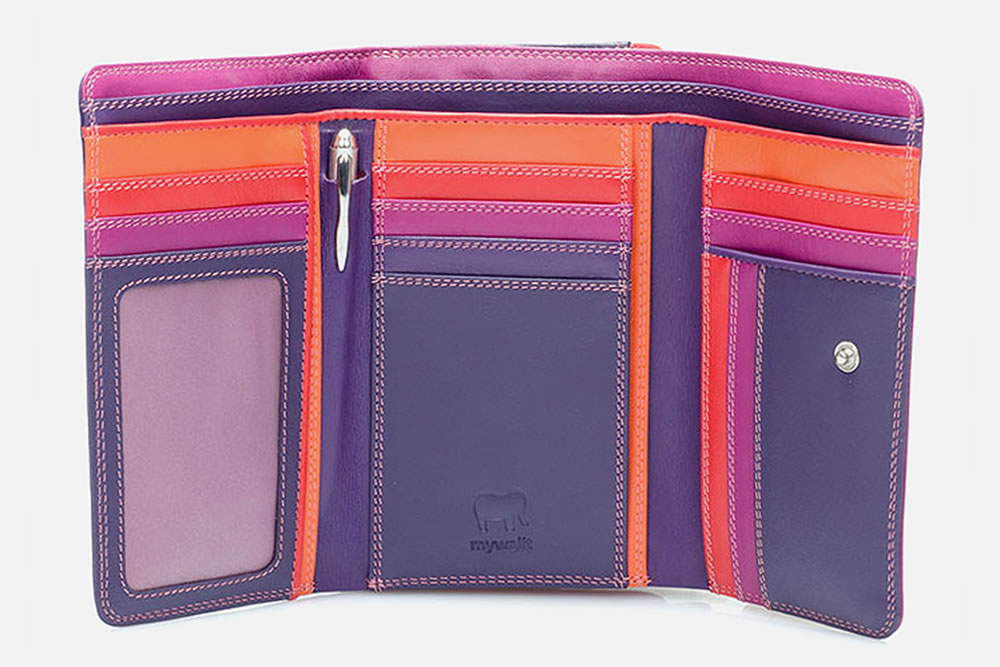
Tri-fold Wallets: These wallets feature two folds, offering even more card slots and storage capacity than bi-folds. However, they can be bulkier and may not be ideal for those who prefer a slimmer profile.
Card Holders: For the minimalist at heart, card holders prioritize slimness and functionality. They typically feature multiple slots for essential cards and may include a clip or strap for a few bills. Their compact design makes them perfect for front pockets.
Money Clips: Offering the ultimate in minimalism, money clips securely hold banknotes and sometimes a few cards. They are incredibly slim and lightweight, ideal for those who carry minimal items.
Front Pocket Wallets: Designed to be carried comfortably in the front pocket, these wallets are typically slim and compact, often featuring a minimalist design to reduce bulk. They are also considered a more secure option against pickpocketing.
RFID Wallets: With the rise of contactless payment and the risk of electronic pickpocketing, RFID-blocking wallets have gained popularity. These wallets are designed with materials that block radio frequency identification (RFID) signals, protecting your cards from unauthorized scanning.
Travel Wallets: Designed with the traveler in mind, these wallets often feature multiple compartments for passports, boarding passes, different currencies, and other travel documents. Security features like RFID blocking are also common.
Luxury Wallets: Crafted from premium materials like fine leather and often featuring designer branding, luxury wallets are a statement piece. They often prioritize craftsmanship and aesthetics.
Chain Wallets: Featuring a chain that attaches to a belt loop, chain wallets offer added security and a distinctive style. They are often favored by bikers and those who prefer a more rugged aesthetic.
The Importance of Material: Choosing for Durability and Style
The material of your wallet significantly impacts its durability, feel, and overall aesthetic. Common wallet materials include:
Leather Wallets: Renowned for their durability, classic look, and luxurious feel, leather wallets are a timeless choice. Different types of leather, such as full-grain, top-grain, and genuine leather, offer varying levels of quality and price. A well-maintained leather wallet can last for many years, developing a unique patina over time.
Metal Wallets: Offering a sleek and modern aesthetic, metal wallets are often made from aluminum or stainless steel. They are typically durable and can provide RFID protection.
Fabric Wallets: Materials like nylon and canvas offer a lightweight and often more affordable option. Fabric wallets can be durable and are often water-resistant, making them suitable for active lifestyles.
Synthetic Materials: Modern synthetic materials can offer a combination of durability, water resistance, and unique textures. Vegan leather alternatives are also increasingly popular.
Consider your lifestyle and priorities when choosing the material for your wallet. If durability and a classic look are paramount, leather is an excellent choice. If you prioritize a lightweight and modern feel, metal or fabric might be more suitable.
Size and Capacity: Finding the Right Balance
The ideal size and capacity of your wallet depend on the number of cards, cash, and other items you typically carry. Consider these factors:
Number of Cards: Assess how many credit cards, debit cards, ID cards, and other cards you regularly use. Choose a wallet with an adequate number of card slots to keep them organized.
Cash Usage: If you frequently carry cash, ensure your wallet has a secure and easily accessible bill compartment.
Bulk Preference: Decide whether you prefer a slim and minimalist wallet that fits comfortably in your front pocket or a larger wallet with more storage capacity.
Additional Items: Consider if you need space for photos, receipts, SIM cards, or other small items.
Striking the right balance between capacity and bulk is crucial for comfort and convenience. Avoid overstuffing your wallet, as this can damage it and make it uncomfortable to carry.
Security Features: Protecting Your Valuables in the Digital Age
In today’s world, security is a paramount concern when choosing a wallet. Consider these security features:
RFID Blocking: As mentioned earlier, RFID-blocking wallets protect your contactless cards from unauthorized scanning, helping to prevent digital theft.
Secure Closures: Features like zippers, snaps, and strong magnetic closures can help prevent items from accidentally falling out of your wallet.
Chain Attachments: For added security and a distinct style, consider a chain wallet that attaches to your belt loop.
Evaluate your risk factors and choose a wallet with security features that align with your needs and concerns.
Beyond Functionality: Expressing Your Personal Style with Your Wallet
While functionality is essential, your wallet also offers an opportunity to express your personal style. Consider these aesthetic factors:
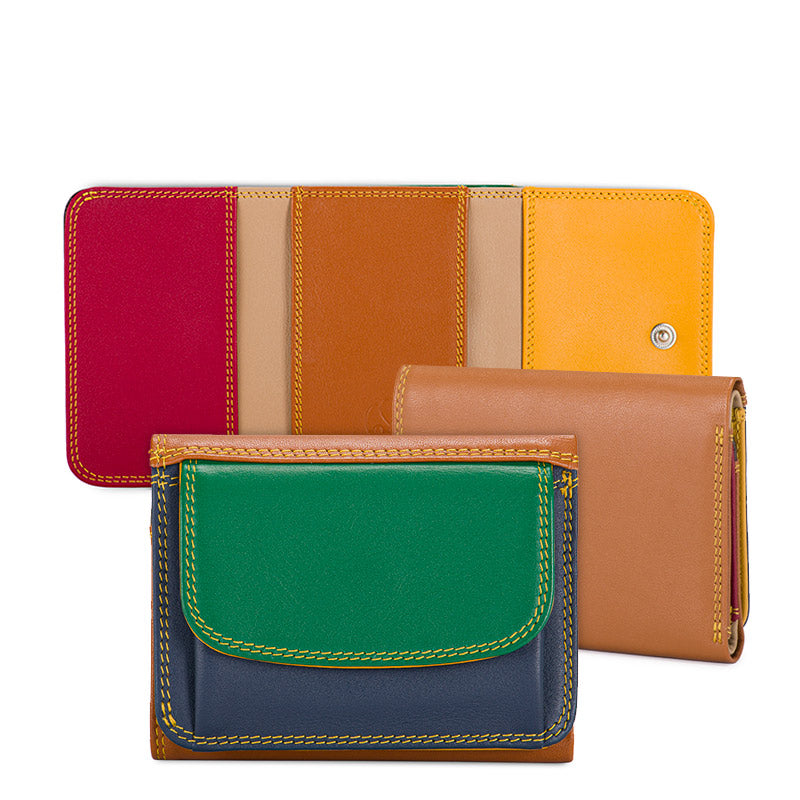
Color: Choose a color that reflects your personality and complements your other accessories. Classic colors like black and brown are always a safe bet, while bolder colors can make a statement.
Design and Pattern: From minimalist and understated designs to more intricate patterns and embellishments, choose a wallet that resonates with your aesthetic preferences.
Brand and Craftsmanship: If you value quality and prestige, consider wallets from reputable brands known for their craftsmanship and attention to detail.
Your wallet is an accessory you use every day, so choosing one that you find visually appealing can enhance your overall sense of style.
Caring for Your Wallet: Ensuring Longevity
Proper care can significantly extend the lifespan of your wallet. Here are some tips for maintaining different types of wallets:
Leather Wallets: Regularly clean and condition your leather wallet to keep it supple and prevent cracking. Avoid exposing it to excessive moisture or heat.
Metal Wallets: Wipe down your metal wallet with a soft cloth to remove fingerprints and smudges.
Fabric Wallets: Follow the manufacturer’s instructions for cleaning fabric wallets. Some may be machine washable, while others may require spot cleaning.
By taking good care of your wallet, you can ensure that it remains a reliable and stylish companion for years to come.
Finding Your Perfect Wallet: Key Considerations Revisited
Choosing the right wallet is a personal decision that depends on your individual needs and preferences. To summarize, consider the following key factors:
Type of Wallet: Bi-fold, tri-fold, card holder, money clip, front pocket, RFID, travel, luxury, or chain.
Material: Leather, metal, fabric, or synthetic.
Size and Capacity: Number of cards, cash usage, bulk preference, and need for additional storage.
Security Features: RFID blocking, secure closures, and chain attachments.
Personal Style: Color, design, brand, and craftsmanship.
Budget: Wallets are available at a wide range of price points.
By carefully considering these factors, you can confidently navigate the world of wallets and find the perfect one to meet your needs and reflect your personal style.